
Last updated October 30, 2026
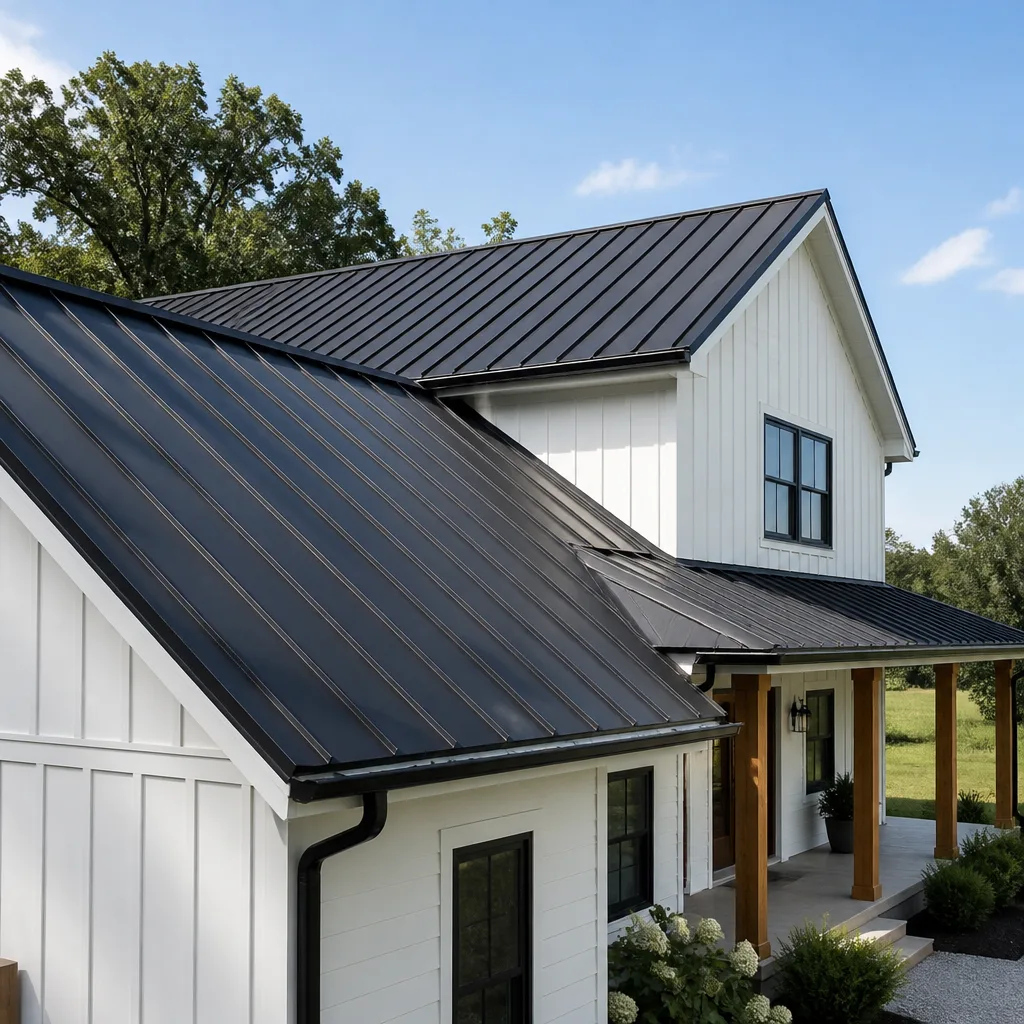 Metal roofing
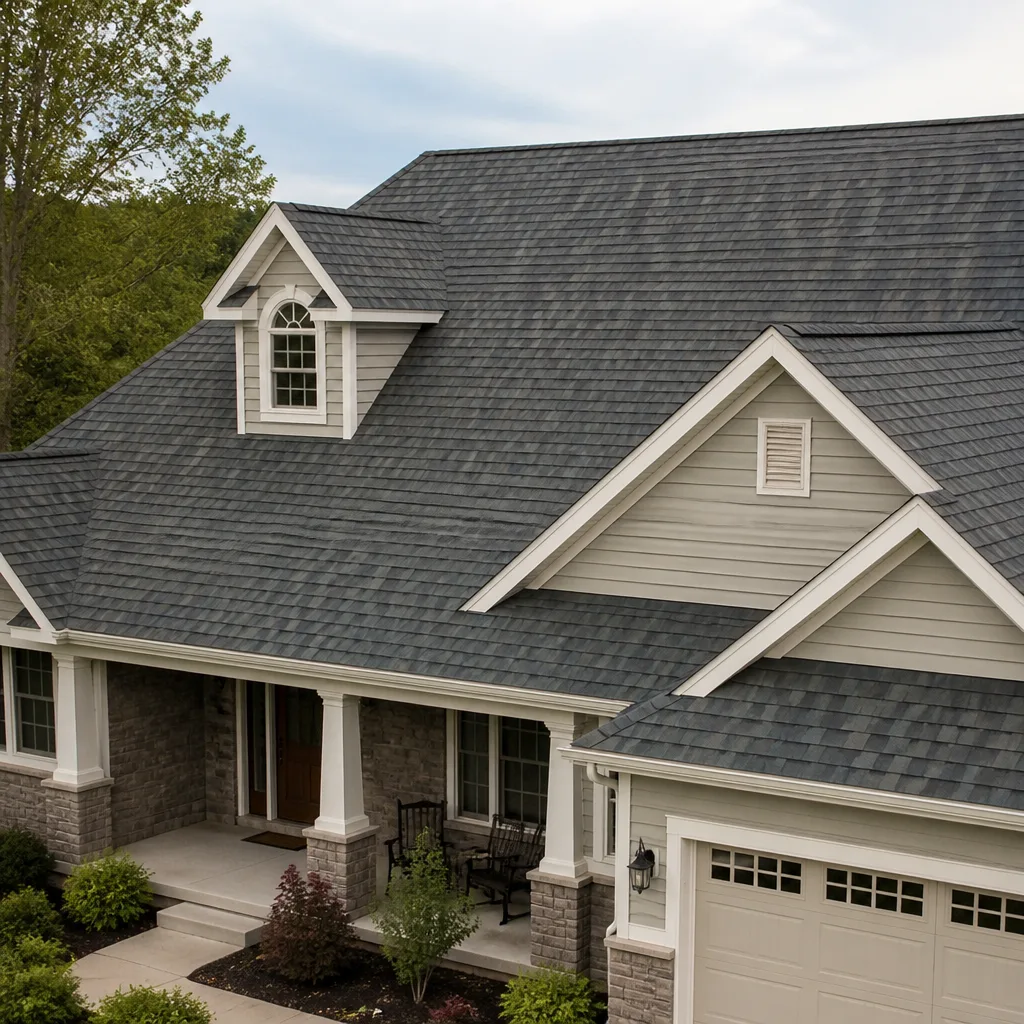 Architectural shingles
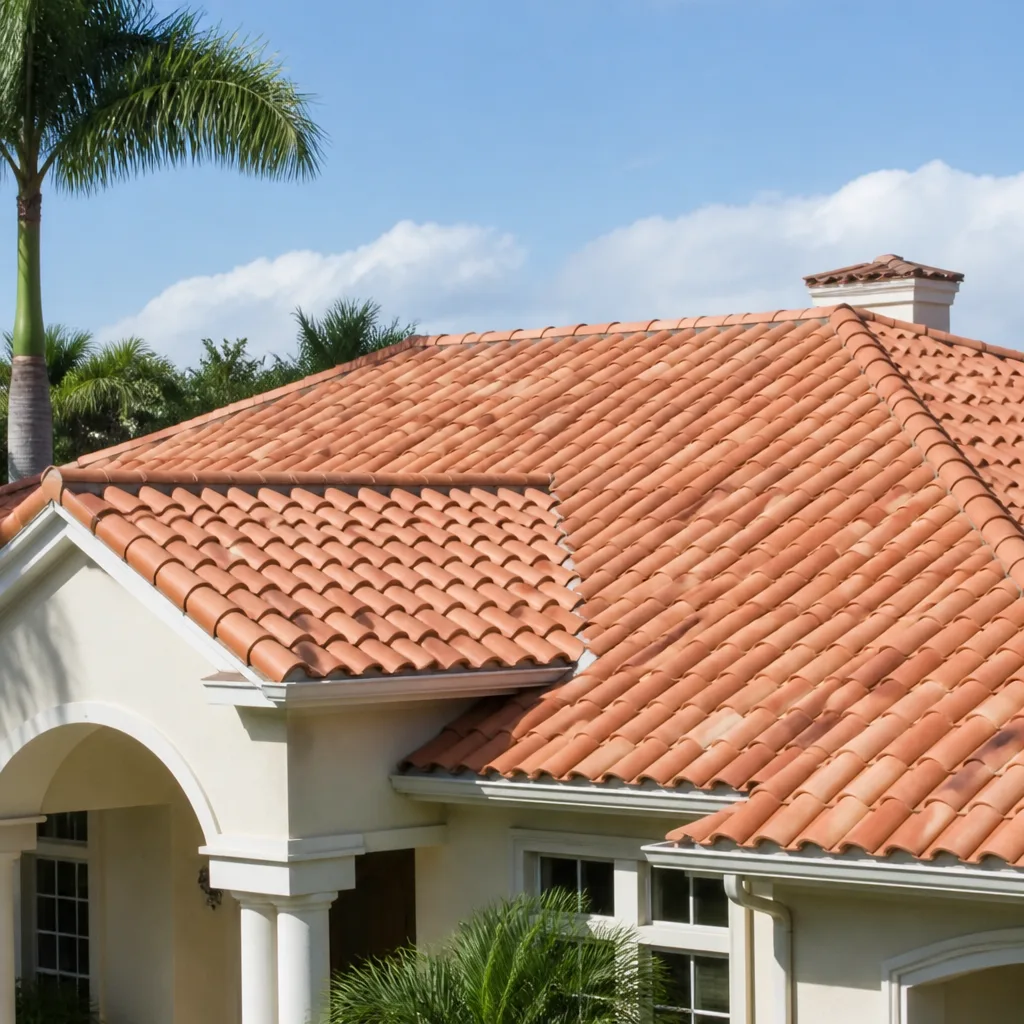 Tile roofing
 GAF
 Owens Corning
 Flat & low-slope
Free roof inspection with deck photos before we talk money - GAF and Owens Corning certified installation
DIY vs Professional Roofing: The Koreatown Homeowner’s Decision Guide
You can legally replace the roof on your own home in California. Let that sink in, because most roofing contractors will never tell you that. What they also won’t tell you is the three-way trap hiding behind that legal right: you cannot stay compliant with your homeowner’s insurance policy, keep your manufacturer’s material warranty valid, and skip the LADBS permit process all at the same time. On most full replacements, those three things are mutually exclusive. This guide walks through exactly where the real line sits between DIY and professional roofing for a Koreatown homeowner, so you can make the call with your eyes open instead of guessing.
Styles & brands we work with
Quick Answer
DIY roofing makes sense for a narrow band of minor maintenance tasks in Koreatown, but any work involving structural layers, flashing, or full replacement crosses into territory where California’s permit rules, insurance conditions, and manufacturer warranty fine print make professional installation the financially rational choice. The savings gap shrinks further once you factor in tool rental, permit fees, and the resale complications of an unpermitted roof. For most Koreatown homeowners, professional roofing is the better financial decision in the long run.
Table of Contents
- What California Law Actually Says About DIY Roofing
- How Warranty Voidance Clauses Actually Work
- What’s Actually DIY-Safe: The Honest List
- What an Unpermitted DIY Roof Does to Your Paperwork
- The Real Cost Comparison: DIY vs Professional in Koreatown
- Why Working With Multiple Manufacturers Changes the Equation
- How Roofing Specialists Approach Koreatown Jobs
- Common Mistakes to Avoid
- When to Call a Professional
- Frequently Asked Questions
- The Bottom Line
What California Law Actually Says About DIY Roofing
Here’s the part most contractors get wrong, either out of ignorance or because fear sells jobs faster than facts. California Business and Professions Code Section 7048 includes a specific carve-out for owner-builders. If you own the property and you’re doing the work yourself, you do not need to hold a contractor’s license to roof your own home. Not for repairs. Not even for a full replacement. The state is remarkably clear on this.
What the same code also makes clear: you cannot hire unlicensed help to do it with you. You cannot pay a neighbor’s cousin cash to “help out” on the weekend. Once money changes hands for roofing labor, the person receiving it needs a C-39 roofing contractor’s license. Getting caught means fines, and in Los Angeles County, those fines are not symbolic. The Contractors State License Board actively investigates unlicensed activity, and Koreatown’s older housing stock means roofing complaints get filed regularly.
The second legal layer sits at the city level. The Los Angeles Department of Building and Safety (LADBS) requires a permit for any roofing work that involves replacing the roof covering or structural elements. What many Koreatown homeowners don’t realize is that an owner-builder can pull their own permit. The city allows it. But here’s the catch: when you sign the permit application as the owner-builder, you accept full legal liability for code compliance, worker safety if you have helpers, and the final inspection. If something is wrong, it’s on you personally. A licensed contractor carries that liability on their bond and their insurance. You carry it on your house.
So the honest framing is not “DIY is illegal,” which is what you’ll hear from many contractors. It’s that DIY is legal but transfers every risk onto the homeowner in a way that professional work does not. That distinction matters when you’re deciding whether to climb up there.
How Warranty Voidance Clauses Actually Work
This is where the DIY economics usually collapse, and almost nobody reads the fine print until it’s too late. The major manufacturers with strong footholds in the Los Angeles market, including GAF, CertainTeed, Owens Corning, and IKO, all structure their warranty programs around certified installation.
Here’s how it works in practice. When you buy a GAF shingle, the shingle itself carries a material warranty that covers manufacturing defects. That warranty typically survives DIY installation on the material itself. But the coverage most homeowners actually want, the coverage that replaces labor, tear-off, disposal, and the re-installation, lives in the enhanced system warranties. Those require installation by a contractor certified through the manufacturer’s own training program. GAF has its Certified Contractor program. Owens Corning has the Preferred Contractor network. CertainTeed has SELECT ShingleMaster credentials. IKO has its ROOFPRO program.
If you install the material yourself, you get the base material warranty only. That means if a manufacturing defect shows up five years in, the manufacturer will replace the shingles. They will not pay to remove the defective ones, dispose of them, or install the replacements. On a Koreatown roof replacement that runs anywhere from $8,500 to $18,000 depending on size and material, the labor share is usually sixty to seventy percent of the total. Walking away from labor coverage to save on installation costs is a trade most homeowners would not make if they saw the math first.
There’s another layer worth understanding. Manufacturer-certified contractors install often enough to be audited. That audit process exists because warranty claims cost manufacturers money, so they verify that the installer followed fastening patterns, underlayment specs, and ventilation requirements. A DIY installer gets no such audit, but they also get no such coverage. When something fails, the manufacturer’s first question is “who installed it?” The answer to that question determines whether you get new shingles plus labor or just new shingles.
This doesn’t mean every homeowner should chase the longest warranty. It means you should know the trade-off before you start. In our experience across Koreatown, we’ve seen homeowners discover this gap only when a claim came up. By then, the savings were long gone.
What’s Actually DIY-Safe: The Honest List
We’re not going to tell you that touching your roof is always dangerous. That’s not true, and it’s not useful. There’s a legitimate zone of DIY maintenance that keeps your roof healthy between professional inspections. Here’s where the line actually sits.
These tasks are reasonable for a capable homeowner with a stable ladder and basic sense:
- Clearing gutters and downspouts. Koreatown’s older neighborhoods have mature trees that drop leaves and debris constantly. Clogged gutters back water up under the roof edge, which causes the soffit and fascia to rot. Clearing them quarterly is simple, low-risk maintenance if you keep the ladder on level ground and never work from the roof surface itself.
- Minor caulking at roof penetrations. A small gap where a vent pipe exits or where flashing meets a wall can be sealed with roofing-specific caulk. This is a temporary fix, not a solution, but it buys time before a professional repair.
- Visual inspection from the ground. Walk the perimeter with binoculars. Look for lifted shingles, missing granules, visible sagging, or stains on the walls under roof edges. This is not a substitute for a professional roof inspection, but it helps you spot problems early between inspections.
- Re-securing a single lifted flashing corner. If one corner of step flashing has popped up and you can reach it safely from the roof edge, you can nail it back down with a roofing nail and seal the head. But if the flashing is lifting because the sealant failed along an entire wall line, that’s a professional job.
The boundary where professional work begins is structural. Any time you’re removing roofing material, exposing the underlayment, replacing decking, re-securing rafters, or working on any slope steep enough to require a harness, you’ve crossed out of the DIY-safe zone. Also, if a roof repair requires an extension ladder on a two-story Koreatown home, the risk math changes quickly. A fall from a second-story roof edge onto concrete is not a minor injury, and the hospital bill will erase any savings you were chasing.
What an Unpermitted DIY Roof Does to Your Paperwork
This is the section most “should you DIY your roof?” articles skip entirely, and it’s the one with the largest long-term financial consequences. An unpermitted roof replacement in Los Angeles creates a chain of liability that follows the house, not just the owner who did the work.
Let’s start with insurance. Most California homeowner’s policies include a clause that requires the homeowner to maintain the property in compliance with local building codes. An unpermitted roof replacement is a code violation under LADBS rules. If your roof fails during a storm and water damages the interior, the insurance adjuster looks for the cause. When they find an unpermitted roof, the claim can be denied outright or reduced. We have seen this happen in Koreatown. The homeowner’s thought process is always the same: the roof leaked, the leak caused the damage, the insurance should cover it. The insurer’s thought process is different: the roof was installed illegally, which voids the assumption of good faith maintenance, which means the claim is suspect from the start.
Now let’s talk about resale. California’s real estate disclosure requirements are among the strictest in the country. The Transfer Disclosure Statement asks specifically about work done without permits. If you lie, you create liability that survives the sale. If you disclose honestly, you give the buyer two options: demand a retroactive permit process, which involves opening up the roof for inspection by LADBS, or demand a price reduction sized to cover a future roof replacement. Either way, the buyer uses the unpermitted roof as leverage, and you pay for it.
Title insurance is the quieter problem. When a sale goes through escrow, the title company checks for open permits and recorded violations. LADBS can record a notice of violation against the property if a complaint is filed. That notice becomes a cloud on title, which means the title company may refuse to issue a policy until the violation is resolved. In a Koreatown market where many properties are older and have had multiple owners, unresolved code issues are common enough that title companies look for them routinely.
Finally, there’s the permit cost itself. Pulling an owner-builder permit for a roof replacement in Los Angeles costs less than having a contractor pull it, but the difference is only a few hundred dollars. Against the resale, insurance, and title risks, that few hundred is not the bargain it appears to be.
The Real Cost Comparison: DIY vs Professional in Koreatown
The most common argument for DIY roofing is financial. “I can buy the shingles myself and save thousands.” Let’s actually run the numbers for a typical Koreatown single-family home, roughly 1,800 square feet of roof surface replacing an existing shingle roof.
Here’s the DIY bill. Architectural shingles for 1,800 square feet at retail prices in Los Angeles run $2,800 to $4,200 depending on the brand and grade. Synthetic underlayment is another $350 to $500. Ridge cap shingles, starter strips, drip edge, and valley flashing add $450 to $700. You’ll need to rent or buy a roofing nail gun and compressor, which runs $200 to $400 for a weekend rental, plus a dumpster for tear-off at $400 to $600 for a three-day rental. The owner-builder permit through LADBS will cost $300 to $500 depending on the valuation. Throw in new roof boots for pipe penetrations at $15 to $25 each, sealant, roofing nails, and the inevitable extra trip to the supply house. Your total is roughly $4,500 to $6,500 in materials, tools, permits, and disposal.
Now the professional installed cost for the same house in Koreatown. A full tear-off and replacement with architectural shingles from a manufacturer like GAF, CertainTeed, Owens Corning, or IKO runs $8,500 to $13,500 as of current market pricing. That includes the contractor’s material pricing, which is lower than retail because contractors buy at trade pricing. It also includes labor, dump fees, permit pull, and the final inspection handling.
The raw savings on a DIY job looks like $3,000 to $7,000 on paper. But subtract what you’re giving up:
- The warranty gap. As covered above, you lose labor coverage on future material defects. One labor-paid repair over the life of the roof can cost $800 to $2,500 depending on the scope. Lose that coverage and the math shifts meaningfully.
- The time cost. A professional crew of four finishes most Koreatown replacements in two to three days. A solo DIY homeowner may need two or three weekends. If you take time off work, those lost wages erase part of the savings immediately.
- The resale discount. An unpermitted roof often becomes a buyer leverage point. If the buyer demands a $5,000 price reduction to address the unpermitted roof, that wipes out the entire savings you chased.
The honest conclusion is that DIY roof replacement on a typical Koreatown home saves money only when nothing goes wrong, the roof is never inspected, and the house is never sold. Those are three conditions nobody can guarantee. Professional installation through a Roof Replacement in Koreatown contractor costs more upfront and usually costs less over the life of the house.
Why Working With Multiple Manufacturers Changes the Equation
Here’s something our industry rarely says out loud: many roofing contractors are tied to a single manufacturer because that’s how their rebate structure works. They push one brand because it’s what’s in their warehouse and what their crew is used to installing. That’s fine if that brand happens to be the right fit for your roof. It’s a problem when it isn’t.
We work with seven manufacturers. Let’s name a few of the big ones: GAF, CertainTeed, Owens Corning, and IKO. Each builds their shingle lines around different performance characteristics. Owens Corning’s Duration line carries a reputation for consistent granule adhesion and solid wind resistance. GAF’s Timberline series is the best-selling architectural shingle in America for a reason: it hits a price-to-performance sweet spot that works well across most Los Angeles roof profiles. CertainTeed’s Landmark series offers deeper color variation and excellent algae resistance. IKO’s Cambridge line delivers competitive performance at a price point that helps on tighter budgets. Atlas and Tamko round out the roster.
The point of having all seven in the truck is that the product recommendation gets driven by your roof, your budget, and your priorities, not by whatever the contractor has a deal on this quarter. A Koreatown homeowner whose roof will get full afternoon sun every day from May through November has different material stress than a homeowner whose roof sits under mature eucalyptus shade. Those two houses might be four blocks apart and need different products. That’s the customer benefit of choice: your roof, your material selection, matched by someone who works with the brands you already trust.
This is also where the warranty conversation comes back around. Each manufacturer maintains their own certified contractor program. A contractor who is certified across multiple programs can provide accurate warranty comparisons instead of steering you toward the one brand they happen to be certified with. That’s a meaningful difference when you’re making a five-figure decision.
How Roofing Specialists Approach Koreatown Jobs
There’s a version of this article that tells you to trust any licensed contractor. We’d push further: find a roofing specialist. The distinction matters more in Los Angeles than most people realize.
General contractors do not roof houses every day. They manage projects, and often the roof on a remodel or addition gets subcontracted to whichever roofer is available. That means the person bidding your roof may not be the person who understands flashing details, drainage patterns, or the specific ways Koreatown’s housing stock ages. A roofing-only contractor, by contrast, does roof inspections, roof repairs, and roof replacements as the entire business. One hundred percent of the jobs are roofing jobs. That focus shows up in the details: a specialist knows the common failure points on 1920s Spanish-style homes in Koreatown, the condensation issues in flat-roof apartments, and how the neighborhood’s tree canopy affects granule wear.
The three-stage continuity is the part homeowners often overlook. A roof has a lifespan, and the way a repair is done at year five affects how the replacement is done at year twenty. A single contractor who handles Roof Inspection in Koreatown, Roof Repair in Koreatown, and Roof Replacement in Koreatown carries the full history of your roof. You’re not re-educating a new company every time something needs attention. That continuity is worth real money when an older repair becomes the reference point for a replacement quote.
There’s also the neighborhood accountability piece. A company whose name is tied to Koreatown has a reputation that lives in the community. A franchised call center with rotating crews does not. The difference shows up in how fast someone responds when there’s an issue after the job’s done.
Common Mistakes to Avoid
- Believing the “DIY is illegal” claim. Many roofing contractors use this to scare homeowners into hiring them. It’s not true under California law for owner-occupied homes. The real reason to go professional is financial and practical, not legal prohibition. Once you know the truth, you can evaluate the actual trade-offs instead of fear-based ones.
- Comparing retail material cost to installed pricing without accounting for the gap. Homeowners see a bundle price at the supply house and assume the contractor is marking up from that number. Contractors buy at trade pricing, which is often thirty to forty percent below retail. The real savings from DIY is smaller than it appears.
- Skipping the permit on a repair that crosses the threshold. LADBS requires permits on roof work that goes beyond minor maintenance. Even if you get away with it for years, the unpermitted work surfaces at the worst possible moment: during a sale, an insurance claim, or a complaint-driven inspection.
- Assuming the material warranty covers installation mistakes. It does not. Material warranties cover the material. If you install incorrectly, the manufacturer has no obligation to fix your installation. This is true for DIY installs and for installs by contractors without the manufacturer’s certification.
- Underestimating tear-off and disposal. The old roof has to come off the house, get down to the ground, and get hauled away. A DIY homeowner often budgets for shingles and forgets the dumpster, the tarp, the broom, the magnetic nail sweeper, and the three extra trips to the landfill.
- Working on a roof with any slope without understanding fall protection. Koreatown has plenty of single-story homes, but even a fall from ten feet can mean a broken hip, a broken wrist, or worse. The ER bill for a fall starts at several thousand dollars before any surgery. That’s most of your DIY savings in one afternoon.
- Assuming a licensed contractor is automatically a roofing specialist. California law requires a C-39 license for roofing work, and many general contractors hold one alongside their B license. But holding a license does not mean roofing is their daily focus. Ask how many roofing jobs they complete per year. The answer tells you more than the license itself.
When to Call a Professional
Some situations are not judgment calls. If you can see daylight through the roof from inside the attic, that’s a structural failure and a professional repair is not optional. If water is actively entering the house during rain, a temporary tarp is a reasonable homeowner stopgap, but the underlying roof repair needs to happen immediately. If your roof is more than fifteen years old and showing granule loss, curling, or lifting shingles along the edges, you’re in replacement territory, not repair territory. And if you’re buying or selling a home where the roof condition affects the transaction, an independent roof inspection is the only way to get an honest answer. We offer free estimates in Koreatown. If you’re unsure whether your situation is DIY-safe or professional territory, call (866) 974-2271 and we’ll tell you straight either way.
Frequently Asked Questions
Yes, you can. California Business and Professions Code allows property owners to act as their own contractor on owner-occupied residential property. You must pull the correct LADBS permit, sign the owner-builder form, and accept full liability for code compliance. You cannot pay anyone to help you who does not hold a C-39 roofing license.
Only partially. Most manufacturers, including GAF, CertainTeed, Owens Corning, and IKO, cover manufacturing defects on the material itself regardless of who installed it. But the enhanced warranties that cover labor, tear-off, and disposal require installation by a contractor certified through that manufacturer’s program. DIY installation forfeits labor coverage, which is typically the larger portion of a future claim.
A full tear-off and replacement for a typical Koreatown single-family home runs $8,500 to $18,000 installed depending on roof size, pitch, material choice, and the condition of the decking underneath. Architectural shingles account for most of the range at $8,500 to $13,500. Higher-end materials like premium designer shingles or specialty products run higher. Call (866) 974-2271 for an exact quote on your home.
You must disclose the unpermitted work on the Transfer Disclosure Statement. Most buyers will use that disclosure to demand either a retroactive permit, a price reduction, or both. The unpermitted roof can also slow escrow if the title company flags the open code issue. The savings from DIY typically vanish at resale.
Not one brand, but certain product characteristics matter more in Los Angeles. High UV resistance, strong granule adhesion, and good algae resistance all play a role because Koreatown roofs get heavy sun exposure for most of the year. Working with a contractor who offers multiple brands, including GAF, CertainTeed, Owens Corning, and IKO, allows the material selection to match the specific roof profile and budget rather than defaulting to whatever one brand is available. Call (866) 974-2271 to talk through your options.
Most single-family roof replacements in Koreatown take two to three days for a full tear-off and re-install, assuming weather permits. Larger homes or roofs with significant decking damage may take four to five days. A solo DIY replacement typically takes two to three weekends depending on experience and help.
The Bottom Line
The DIY versus professional roofing decision in Koreatown comes down to one honest question: are you willing to trade warranty coverage, insurance protection, resale value, and personal injury risk for a savings that, on paper, sits between $3,000 and $7,000? For a handful of minor maintenance tasks, the answer is yes, and this guide points you toward those safely. For anything involving tear-off, structural work, flashing, or replacement, the math stacks against the DIY path once you count what you’re giving up. Koreatown Roofing works with seven manufacturers, but we’ll tell you the same thing either way: read the fine print, understand what you’re trading, and make the call with the full picture. If you want a professional assessment of where your roof sits, call (866) 974-2271 for a free estimate.
Written by the team at Koreatown Roofing home, serving Koreatown since 2014.
See the difference
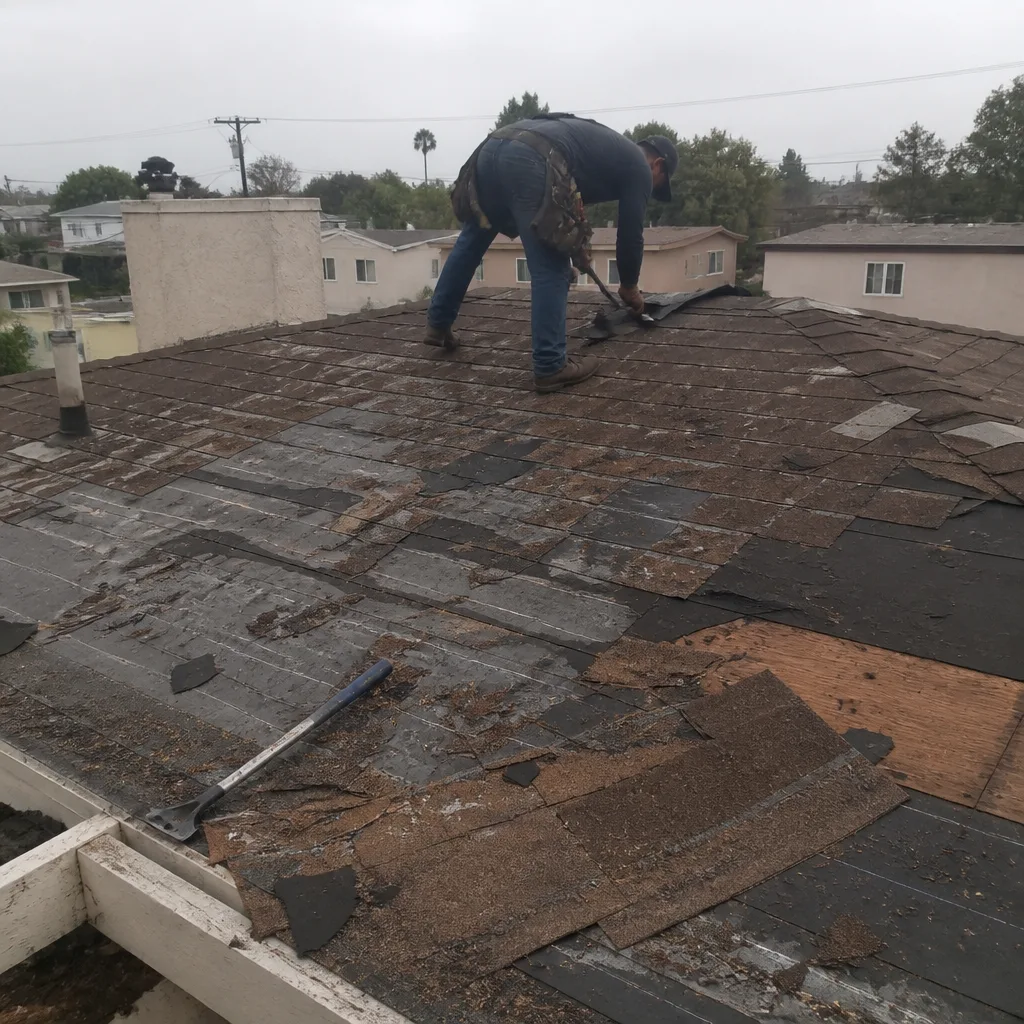 Before
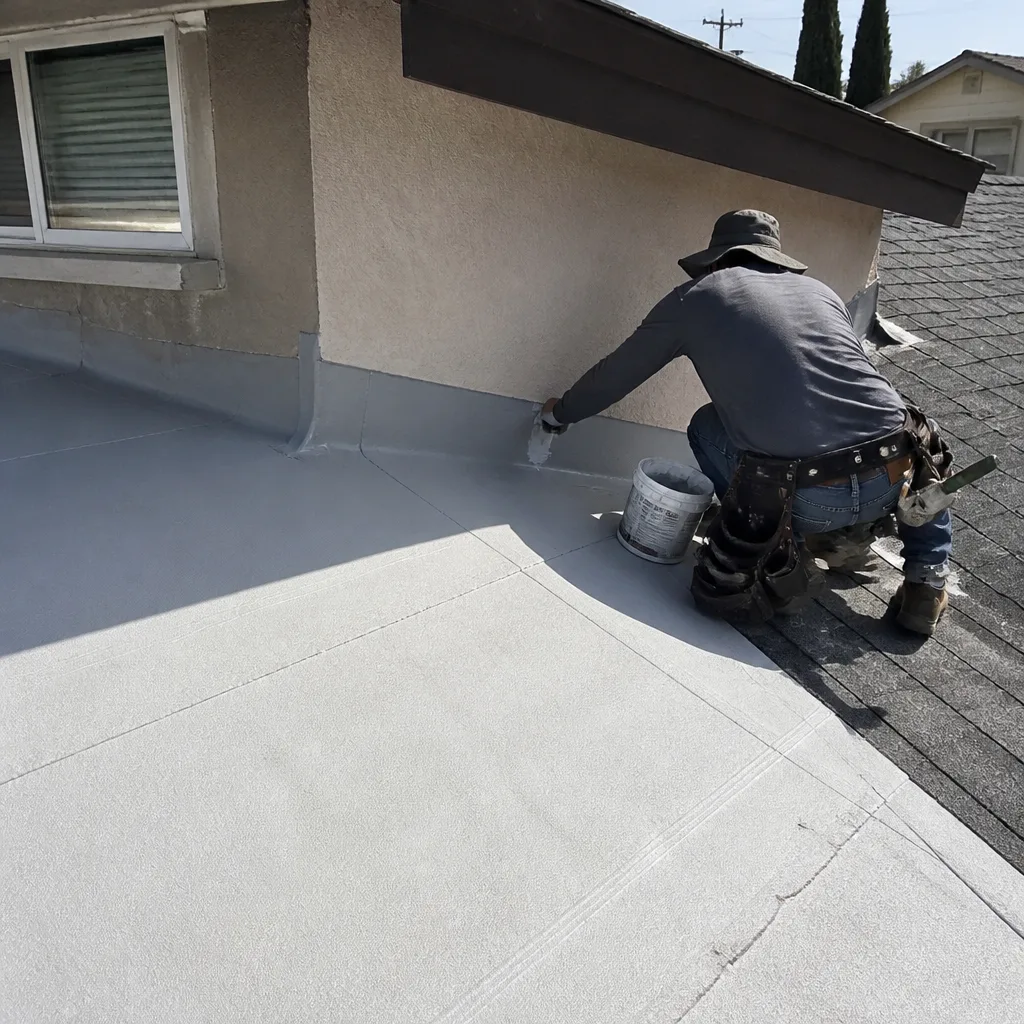 After
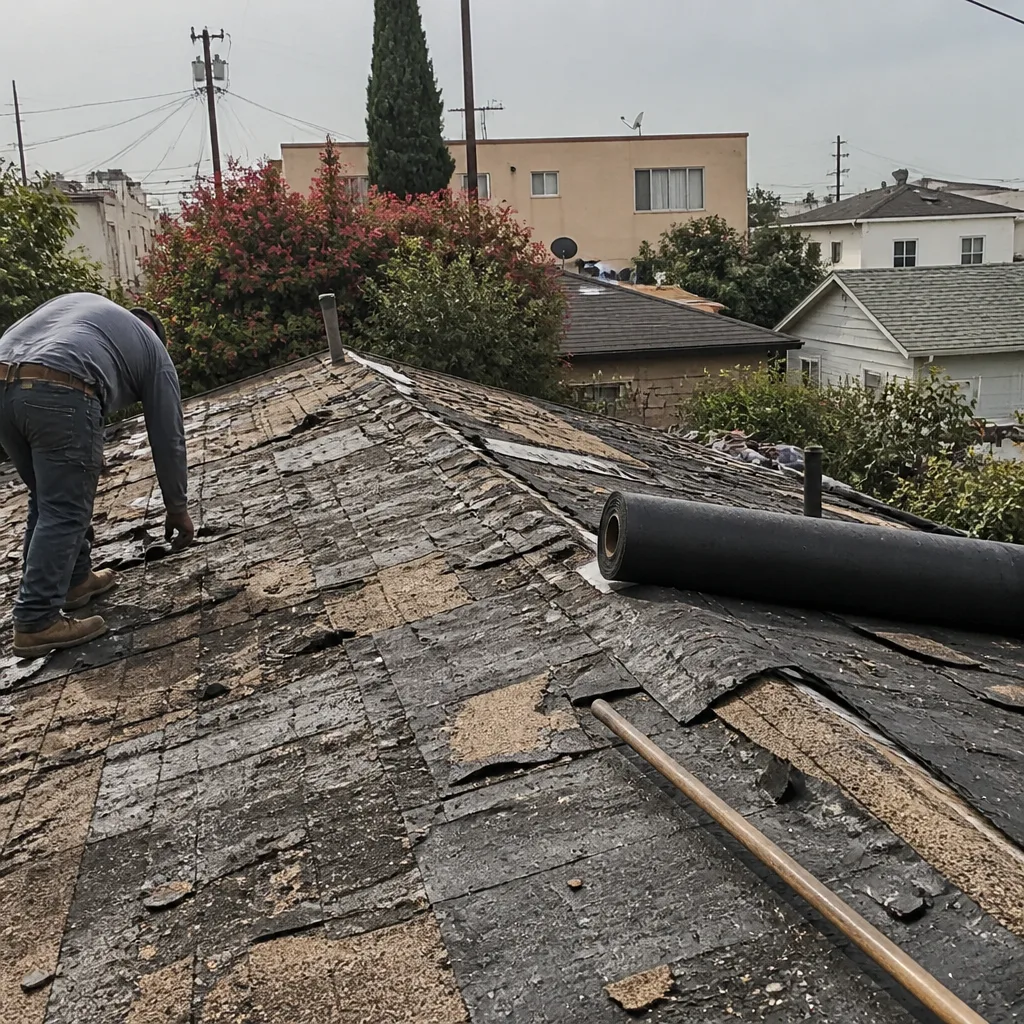 Before
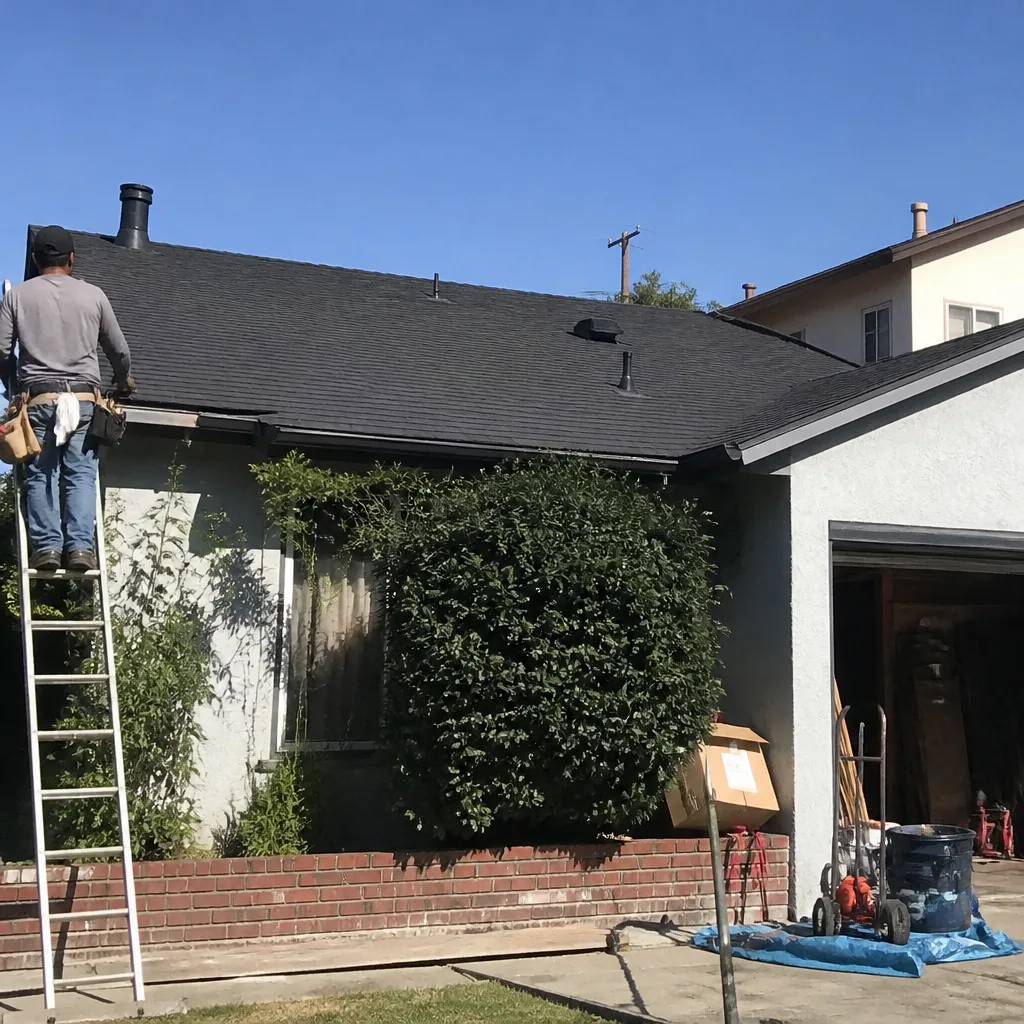 After
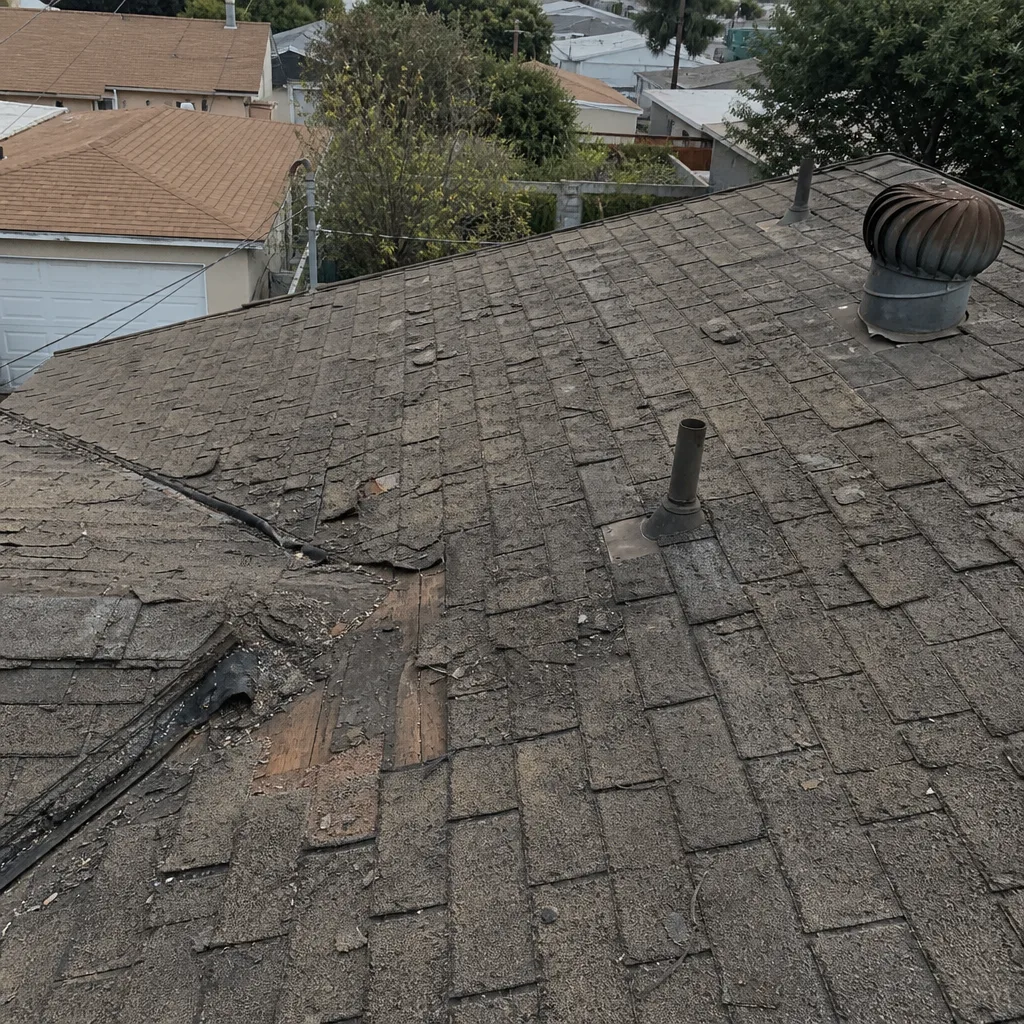 Before
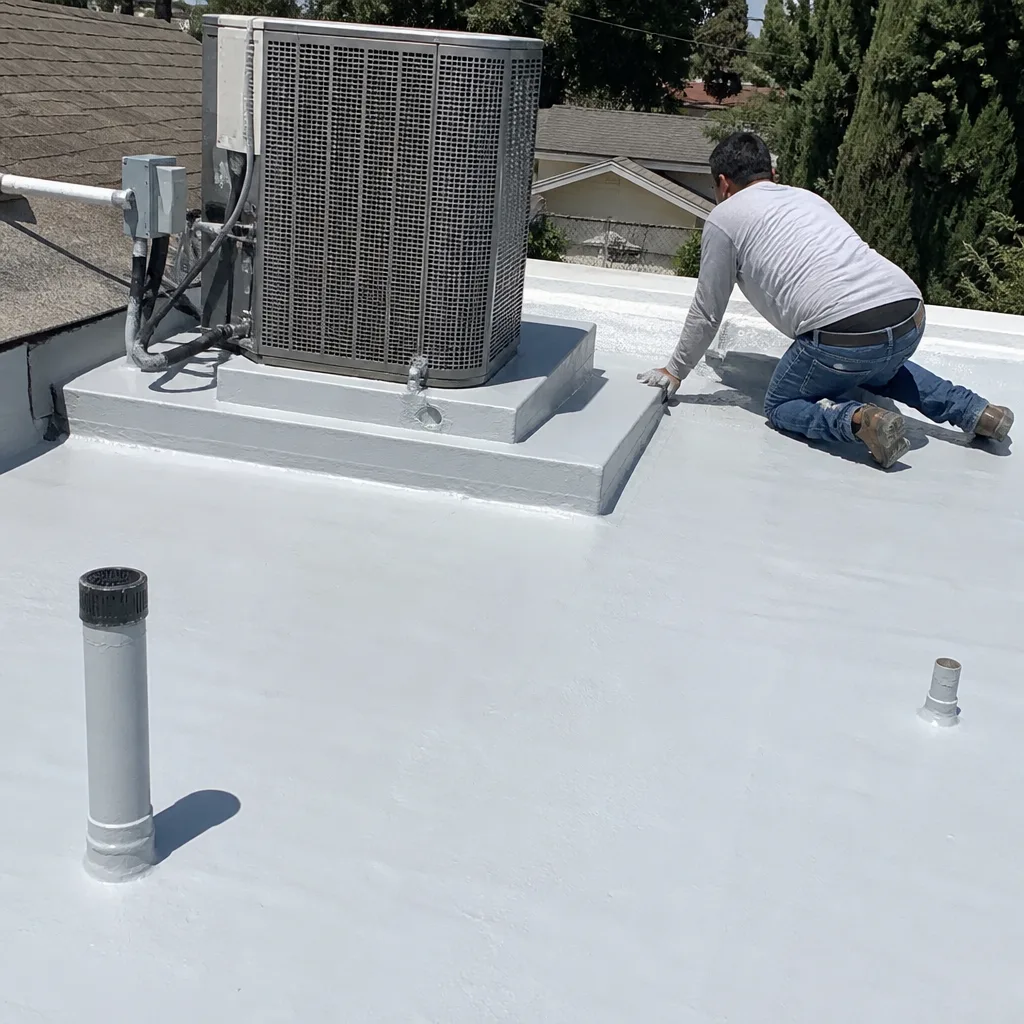 After