
Last updated October 30, 2026
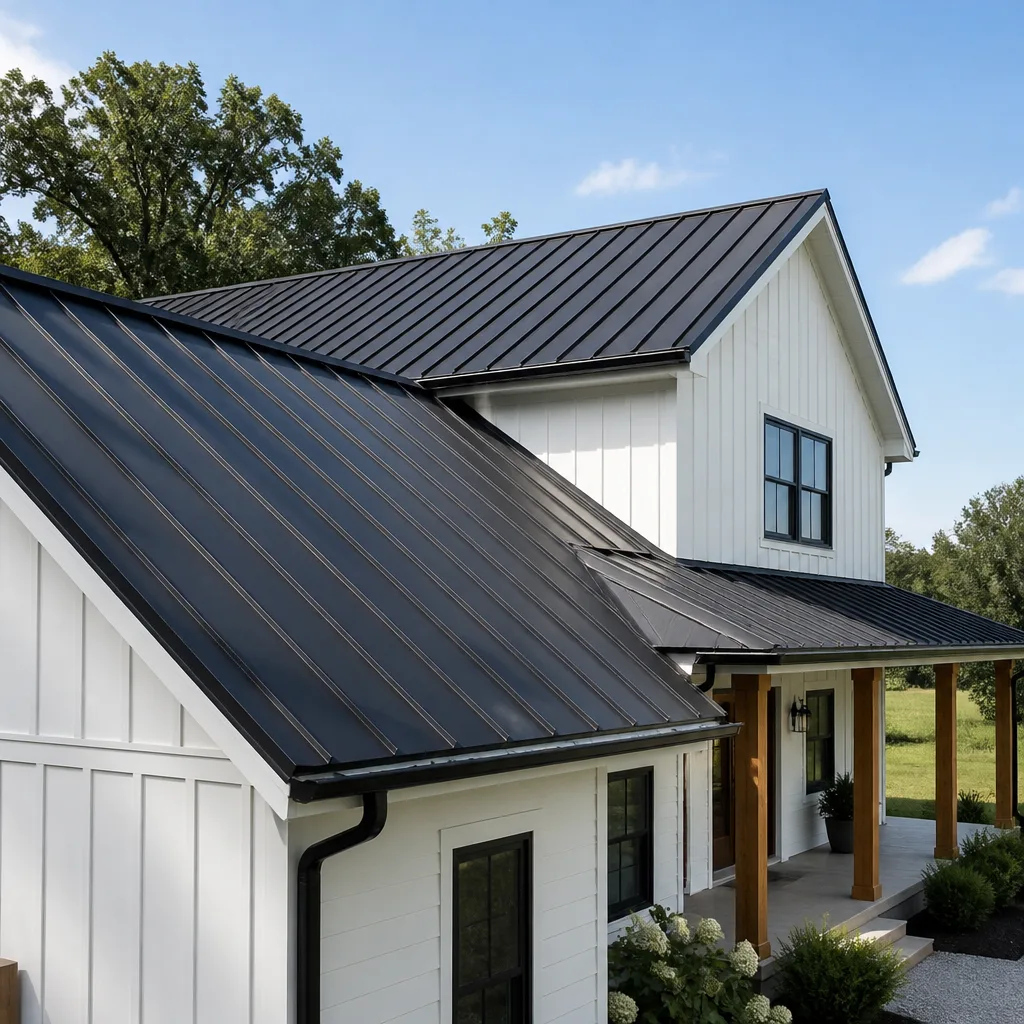 Metal roofing
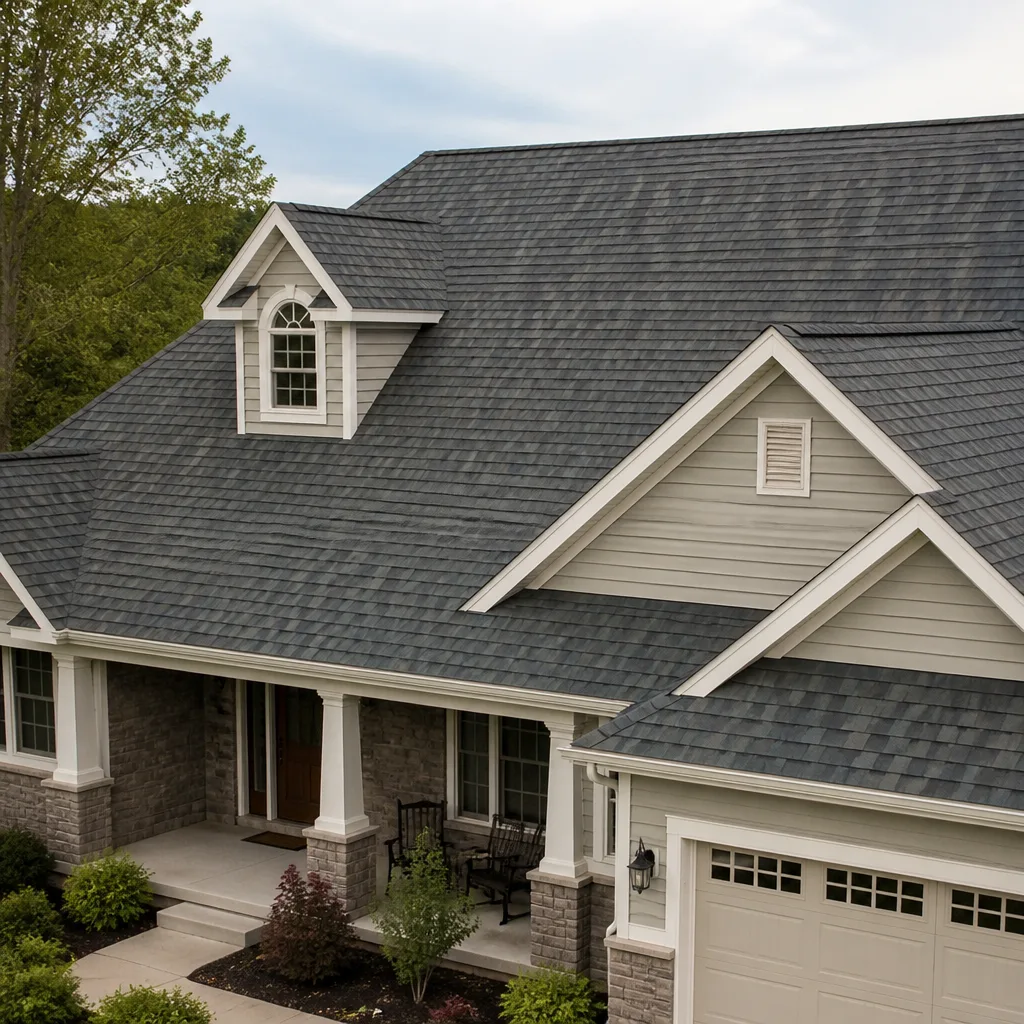 Architectural shingles
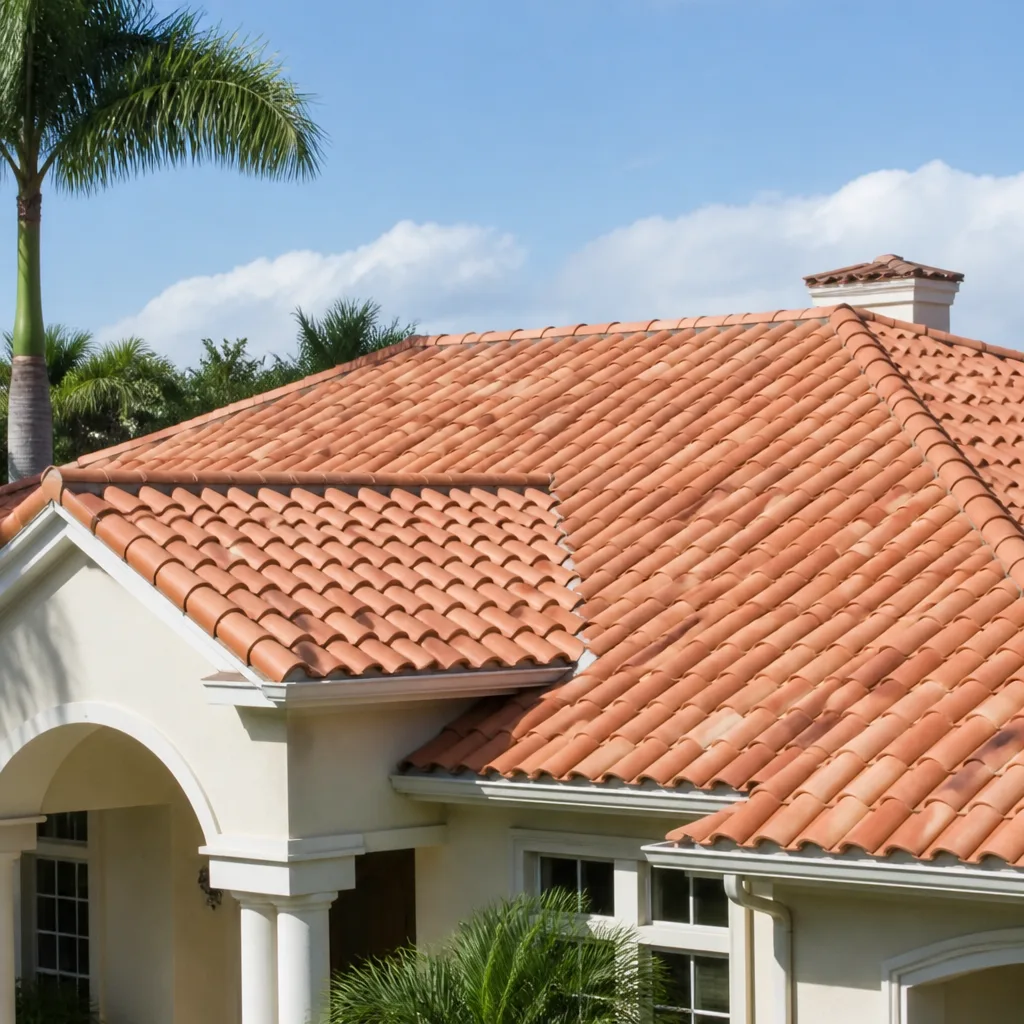 Tile roofing
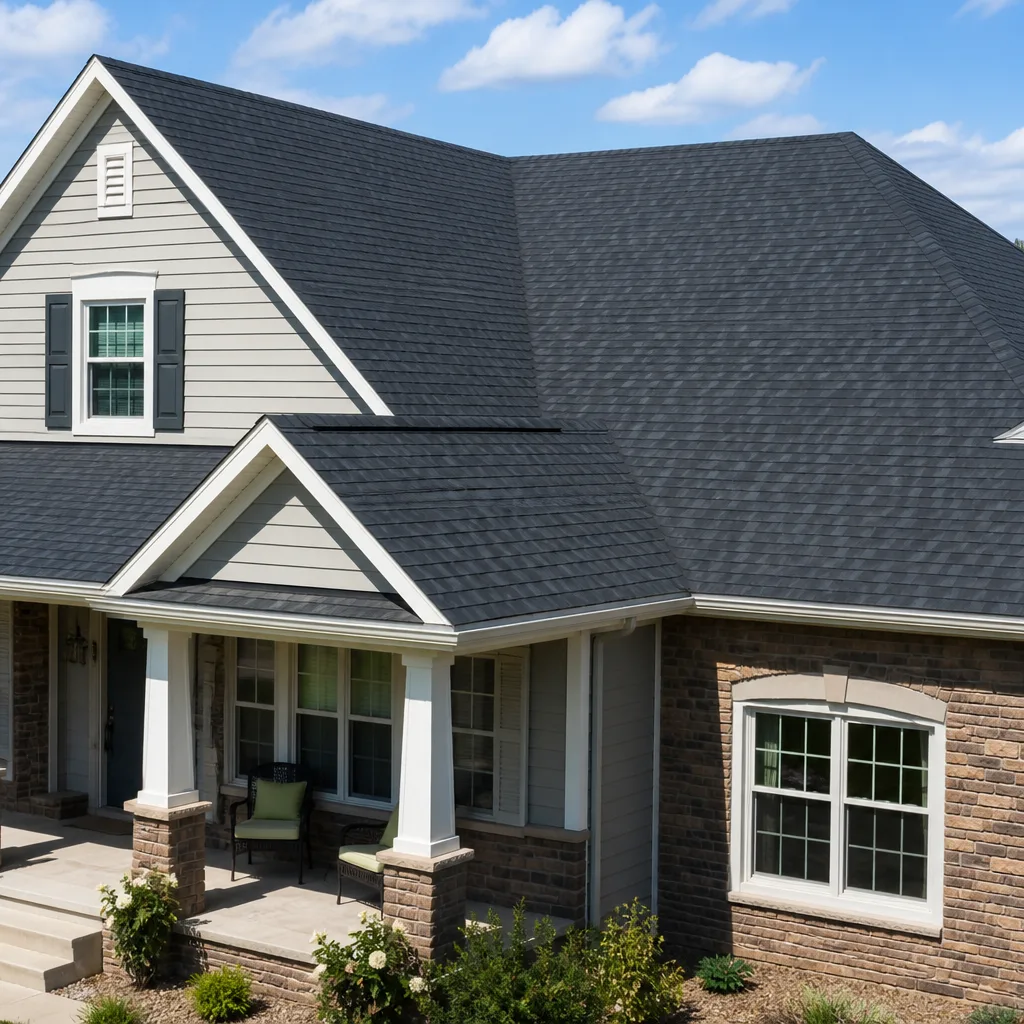 GAF
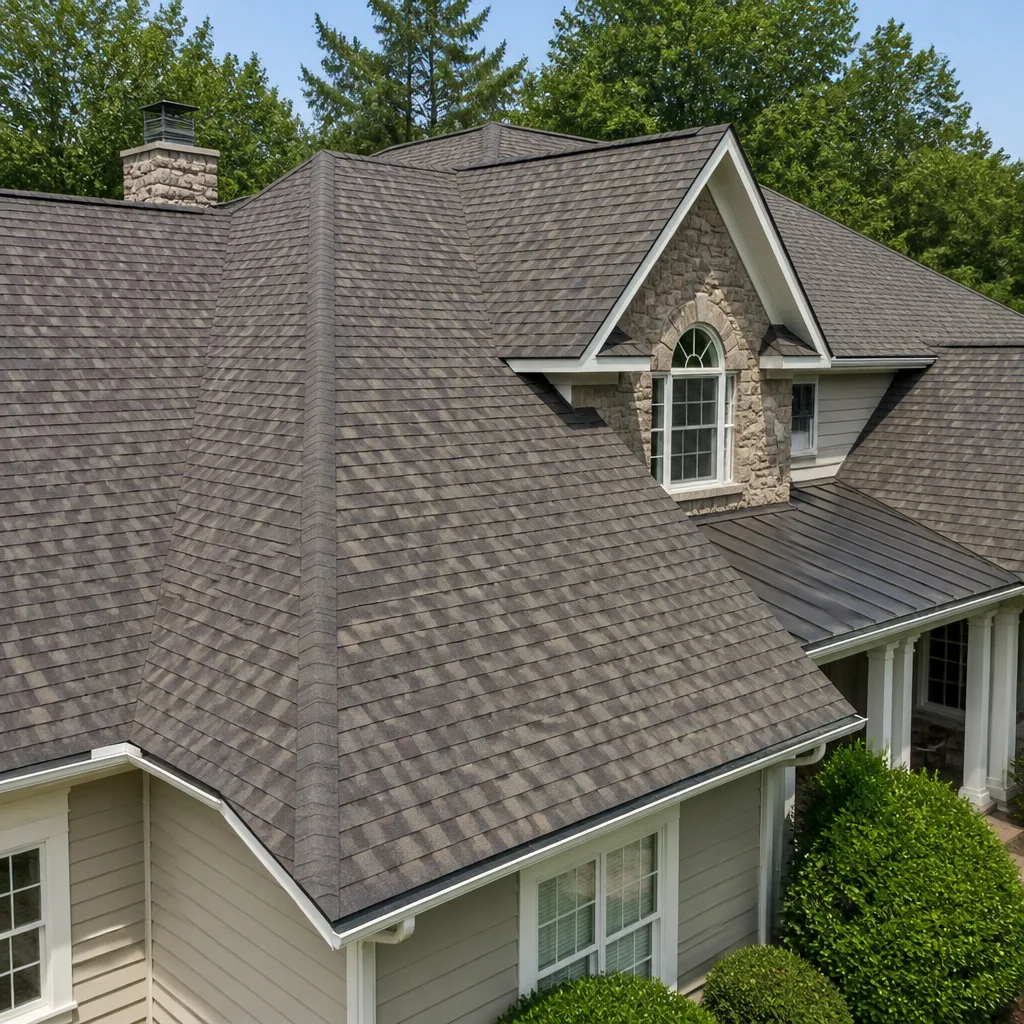 Owens Corning
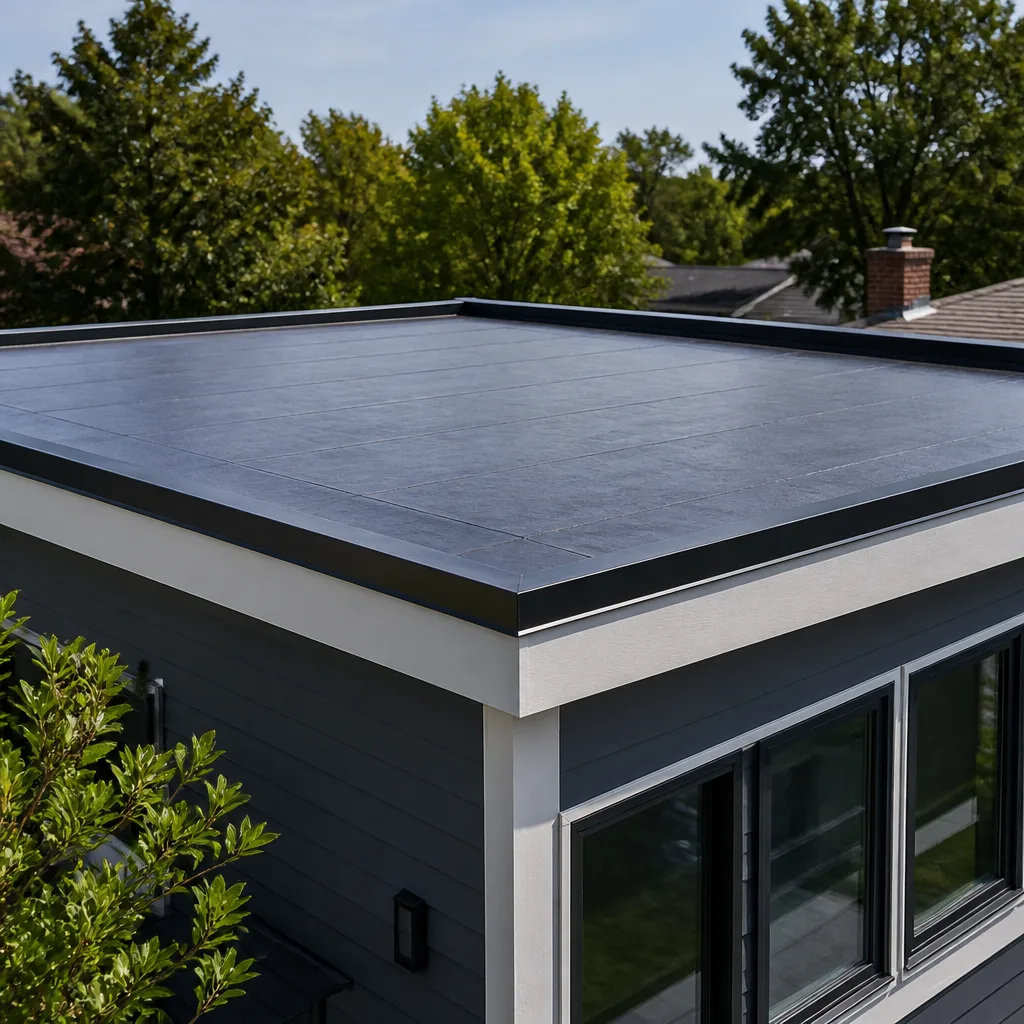 Flat & low-slope
Free roof inspection with deck photos before we talk money - GAF and Owens Corning certified installation
Choosing the Right Roofing Brand: A Buyer’s Guide for Koreatown
Here’s a fact most roofing contractors won’t volunteer: that impressive “lifetime warranty” on your shingles can legally shrink to 10 years of coverage if the crew nailing them down isn’t certified at the right tier by the manufacturer. It’s buried in the fine print, and most Koreatown homeowners only learn about it when a claim gets denied years after the check cleared. This guide exists because brand selection is a decision you should make with your eyes open, not one you inherit from whatever supplier your contractor happens to have an account with. For a broader look at the full process, see our Complete Guide to Roofing in Koreatown. We’re going to walk through warranty tiers, what actually fails on roofs in Koreatown’s specific climate, and how to match a manufacturer to your budget without getting sold a story.
Quick Answer
The best roofing brand for your Koreatown home is the one that matches your roof’s slope, your budget, and the certification level your installer has actually earned with that manufacturer. GAF, CertainTeed, and Owens Corning all make excellent steep-slope asphalt shingles, while Tamko and Atlas offer strong mid-tier value, and Boral leads in tile and stone-coated steel. What matters more than the logo on the box is whether your contractor is certified at the tier that unlocks the full warranty, because a premium brand installed by an uncertified crew gives you a worse financial outcome than a mid-tier brand installed by a factory-certified specialist.
Styles & brands we work with
Table of Contents
- How to Read Roofing Warranty Tiers: Standard, Preferred, and Elite
- What Koreatown’s Climate Actually Does to Roofing Materials
- Premium vs. Mid-Tier Manufacturers: What the Extra Money Buys
- Why Contractor Certification Matters as Much as the Brand
- Steep-Slope vs. Flat Roof Brand Selection: Different Rules
- Four Major Brands, Explained Without the Marketing
- A Realistic Budget Framework for Koreatown Roofs
- Common Mistakes to Avoid
How to Read Roofing Warranty Tiers: Standard, Preferred, and Elite
Every major shingle manufacturer runs a contractor certification program with at least two or three tiers. The tier your installer holds determines which warranty you actually qualify for, not the warranty printed on the shingle wrapper. A homeowner who skips this step is effectively buying a product with a completely different guarantee than the one they think they’re getting.
Here’s how the tier system works across most brands, including GAF, CertainTeed, and Owens Corning:
- Standard / Independent Contractor: The shingles carry a basic material warranty, typically 20 to 30 years. Labor is not covered. If the shingles fail due to a manufacturing defect, you get replacement material only, and you’re paying someone to install it. Most roofing crews in Los Angeles operate at this level.
- Preferred / Certified Contractor: The contractor has passed manufacturer training and maintains certain business standards. You get the longer material warranty, often 50 years or lifetime, plus some labor coverage, but the labor coverage often depreciates. On a GAF System Plus warranty, for example, labor is covered for 10 years, not the life of the shingle.
- Elite / Master / Select Contractor: This is the top tier. Requirements are strict: ongoing training, customer satisfaction audits, financial stability checks. The warranty changes meaningfully here. You get full material coverage for the product’s rated life plus non-prorated labor coverage for a significant window, sometimes 25 or 30 years. Some programs cover the entire roofing system, not just the shingles: underlayment, ridge caps, starter strips, ventilation.
We’ve sat in kitchens in Koreatown where homeowners showed us contracts from other companies that said “lifetime warranty” on the line item, and the actual manufacturer warranty was the standard 10-year prorated product deal. The contractor wasn’t certified. The shingle box said lifetime. The warranty did not. That gap is the single most expensive misunderstanding in residential roofing.
The practical takeaway: before you compare brand A against brand B, compare what warranty tier your installer has earned with each. A CertainTeed shingle installed by an uncertified roofer carries a worse warranty than an Atlas shingle installed by an Atlas-certified contractor. The decision is not shingle against shingle. It’s system against system.
What Koreatown’s Climate Actually Does to Roofing Materials
Koreatown’s climate is deceptively hard on roofs. We don’t get snow or hail, so homeowners assume the roof has an easy life. The reality is different. What we do get is relentless ultraviolet radiation, dramatic daily thermal swings, and occasional Santa Ana wind events that work fasteners loose over time. These factors should drive brand comparison more than anything you read in a national roofing magazine.
UV degradation is the big one. Los Angeles receives approximately 3,300 hours of sunshine a year. That constant solar assault breaks down the asphalt compounds that give shingles their flexibility. As those compounds degrade, shingles become brittle, curl at the edges, and lose granules. Premium manufacturers formulate their asphalt with higher-grade polymers and UV stabilizers, which translates directly to longer flexibility retention in Koreatown. Mid-tier brands use fewer modifiers, which is why they’re cheaper.
Thermal cycling is the second factor. A Koreatown roof surface can swing from 40 degrees on a January night to 160 degrees on a July afternoon. Every cycle causes the roof deck and the materials attached to it to expand and contract at slightly different rates. Over 10 years, that’s thousands of micro-movements. Cheap shingles crack under this stress. Premium shingles are engineered with more elastomeric content, so they flex instead of fracture.
The third consideration is heat reflectivity, measured by the Solar Reflectance Index. A roof with a high SRI absorbs less solar heat, which means lower cooling bills for a Koreatown apartment building or single-family home. Lighter-colored shingles score higher on SRI. CertainTeed’s Landmark Solaris line and GAF’s Cool Series shingles are specifically rated for this. Tamko and Atlas also offer cool-roof options, but availability varies by distributor. If you’re deciding between brands, ask for the SRI number on the specific color you want, not the brand’s best-rated product. Color choice can swing the SRI by 10 to 15 points.
Premium vs. Mid-Tier Manufacturers: What the Extra Money Buys
The difference between a premium shingle brand and a mid-tier one is not brand reputation. It’s material consistency and claims handling. Those are the two places where your money actually goes.
Material consistency is a manufacturing quality issue. Premium manufacturers run tighter tolerances on granule adhesion, shingle thickness, and sealant strip placement. A pallet of GAF or CertainTeed shingles will have remarkably consistent dimensions and granule coverage. Mid-tier brands sometimes show more variation from batch to batch. For a roofer, this matters because inconsistent shingles take longer to install correctly and are more prone to early blow-offs. For a homeowner, it matters because inconsistent granule coverage means uneven UV protection across the roof surface.
Claims handling is the second differentiator. If a shingle batch turns out to have a manufacturing defect, the premium manufacturers typically have more responsive claims departments and more established processes for compensating homeowners. This is not to say premium brands never have defects; they do. Every manufacturer has had recalls and class-action settlements. The question is what happens after the defect is discovered. Premium brands tend to resolve claims faster and with less adversarial friction. Mid-tier brands are not universally bad, but the claims process can be slower and more documentation-heavy.
That said, there are strong arguments for mid-tier brands in certain situations. If you’re roofing a rental property you plan to hold for 10 to 15 years, a Tamko or Atlas shingle installed correctly by a certified contractor will perform well for that horizon, and you’ll save thousands on the front end. If you’re replacing a roof on a home you plan to live in for 30 years and you want the roof to be a one-time expense, the case for a premium brand becomes stronger.
In our experience working across Koreatown Roofing home service areas, most Koreatown homeowners are balancing a 20 to 40 year ownership horizon. That’s a long enough timeline that warranty depth and manufacturer stability deserve real weight in the decision.
Why Contractor Certification Matters as Much as the Brand
Let’s be blunt: the best shingle in the world, installed wrong, is a future leak. The second-best shingle, installed by a factory-certified specialist, will almost always outperform it. That’s not marketing. That’s mechanics.
Manufacturer certification programs exist because manufacturers learned that most warranty claims are caused not by product defects but by installation errors. Nails driven too shallow. Shingles overdriven with pneumatic guns. Improper nailing patterns. Wrong ventilation. Ice and water shield skipped on the eaves. The manufacturer doesn’t want to pay for those failures, so they created certification tiers to identify contractors who install correctly. In exchange for proving competence, certified contractors can offer their customers the full warranty.
Here’s how to verify a contractor’s certification status before you sign anything:
- Ask for the certification number. Every certified contractor has a manufacturer-issued ID. If they hesitate or give you a vague answer, that’s a red flag.
- Verify directly with the manufacturer. GAF, CertainTeed, Owens Corning, IKO, Atlas, and Tamko all have online locators or phone lines where you can enter the company name and confirm current certification status. Do not rely on the contractor’s website badge. Badges can be outdated.
- Check the certification tier, not just the logo. “GAF-certified” can mean different things depending on the tier. Ask specifically: “What is your certification tier with this manufacturer, and which warranty does that unlock for me?”
- Confirm the certification is current. Manufacturers re-certify contractors annually or every two years. A company that was certified five years ago and let it lapse cannot offer the full warranty today.
We carry certifications from multiple manufacturers because we work with seven brands: GAF, CertainTeed, Owens Corning, IKO, Atlas, Tamko, and Boral. That’s not typical in this trade. Most roofing companies in Koreatown are tied to one supplier, which means they’re only going to recommend the brand that supplier stocks. We structured our business differently. Your roof, your material choice. It means our recommendations are driven by what’s right for the structure and the budget, not by what one manufacturer happens to have in the warehouse that week.
Steep-Slope vs. Flat Roof Brand Selection: Different Rules
If your Koreatown building has a flat or low-slope roof, everything about brand selection changes. Shingle brand comparisons become irrelevant because shingles are not the right product for low-slope applications. What matters instead is the membrane system, and the certification mechanics work differently.
Steep-slope roofs, which cover most single-family homes in Koreatown, are where asphalt shingle brands compete. The decision framework is shingle brand, shingle line within that brand, installer certification tier, and warranty package. Boral also operates in this space with concrete and clay tile products, which are common on Mediterranean and Spanish-style homes throughout the neighborhood. Tile is a different material category than shingles, with a longer service life, higher upfront cost, and much heavier structural requirements. A Boral tile roof is not a shingle roof at all, and the comparison should not be framed as one.
Flat and low-slope roofs, common on Koreatown’s postwar apartment buildings, duplexes, and some mid-century single-family homes, use membrane systems instead: TPO, PVC, or modified bitumen. Here, the “brand” question is about the membrane manufacturer and the system certification. Most membrane manufacturers require that the entire system, insulation, fasteners, membrane, flashing details, be installed by a contractor certified in that specific system for the warranty to be valid. The system is the brand, not the individual component.
If you own a flat-roof building in Koreatown, your brand research should focus on membrane manufacturers and their certified applicator lists, not on shingle brands. Ask a contractor: “Which membrane systems are you certified to install, and what’s the warranty on the full system, labor included?” A contractor who only installs one membrane type is not offering you choice; they’re offering you their inventory.
This is one reason Roof Replacement in Koreatown conversations look different than someone on a national blog might expect. The right question is not “what brand is best?” The right question is “what’s the correct system for this roof slope, and what manufacturer warranties apply to that system when installed correctly?”
Four Major Brands, Explained Without the Marketing
We’re going to profile four manufacturers honestly. Not all of them are the right fit for every Koreatown roof, and that’s the point. Brand selection is matching, not ranking.
GAF: The largest shingle manufacturer in North America. GAF’s Timberline line is the best-selling shingle in the country, and their Golden Pledge warranty through certified contractors is one of the strongest in the industry. In Koreatown, GAF shingles perform well in high-UV conditions when installed with their full system. GAF’s biggest strength is warranty structure. The weakness, if there is one, is that GAF distribution is so wide that uncertified contractors install a lot of GAF product, which dilutes the brand’s real-world performance reputation. It’s not the shingle; it’s who’s nailing it.
CertainTeed: CertainTeed positions itself at the premium end of the asphalt shingle market. Their Landmark and NorthGate lines have excellent granule adhesion and UV resistance. CertainTeed’s integrated roof system includes high-performance underlayments and ventilation, and their top-tier warranty programs are comparable to GAF’s. CertainTeed shingles typically carry a small price premium over comparable GAF or Owens Corning product. The performance supports the price if you’re staying in the home long enough to justify it.
Owens Corning: The company that makes the pink insulation also makes excellent shingles. Owens Corning’s Duration line features their SureNail technology, which is a reinforced nailing zone that reduces blow-off risk in high winds. That matters in Koreatown during Santa Ana events. Owens Corning’s warranty program is competitive, and their Platinum Preferred Contractor tier offers strong labor coverage. Owens Corning is a strong middle-of-the-road choice between GAF and CertainTeed on price, with performance that’s hard to fault.
Tamko: Tamko is a smaller manufacturer than the big three, and their pricing reflects lower brand overhead. Tamko’s Heritage line is a solid performer for the money. The tradeoff is primarily in consistency and claims handling. Not bad on either front, just not as refined as the premium players. For a rental property or a home where the budget is tight and the ownership horizon is under 20 years, Tamko deserves serious consideration.
Atlas and Boral round out the brands we work with. Atlas makes a strong SBS-modified shingle line that performs very well in thermal cycling, relevant for Koreatown’s hot roof surfaces. Boral operates in a completely different category, tile and stone-coated steel, for homes where the aesthetic and service life bar is higher. Boral tile roofs are a 50-year product on the right structure. The engineering on those roofs is different enough that we handle them as a separate conversation entirely.
A Realistic Budget Framework for Koreatown Roofs
Price matters. A brand guide that ignores budget is not a guide; it’s a brochure. Here’s a practical way to think about what you’ll spend for a steep-slope asphalt shingle roof replacement in the Koreatown area, including materials, underlayment, tear-off, and installation. These are not quotes, and your specific roof may fall outside these ranges, but this gives you a starting frame.
- Mid-tier shingle, standard certified contractor: The entry point. Tamko or Atlas shingles, basic underlayment, standard warranty. Appropriate for rental properties, sale prep, or shorter ownership horizons. Material cost is lowest, labor is the same as any other shingle.
- Premium shingle, preferred certified contractor: GAF Timberline, Owens Corning Duration, or CertainTeed Landmark through a contractor certified at the preferred level. Better material, better warranty, moderate price increase over mid-tier.
- Premium shingle, elite certified contractor, full system warranty: The top end of the asphalt market. Best shingle line, premium underlayment, manufacturer-inspected installation, full non-prorated labor warranty. This is the buy-it-once option.
- Boral tile or stone-coated steel: A different product category entirely. Significantly higher material and structural cost, but service life measured in generations. Common on historically styled homes in Koreatown where the architectural character demands it.
What you should not do is pick a brand first and then shop for the cheapest contractor who will install it. That is backwards and it’s how Koreatown homeowners end up with premium-brand shingles on a 10-year warranty because the installer was uncertified. Pick a contractor who carries the certifications, then choose the brand that fits your budget and ownership horizon. The Roof Inspection in Koreatown is the right first step before making any of these decisions. You can’t match a brand to a roof you haven’t properly assessed.
Common Mistakes to Avoid
- Believing the shingle wrapper instead of the warranty document. The “lifetime” on the shingle box is conditional. The actual terms are in the warranty certificate, and they depend on your installer’s certification tier. Read the certificate, not the marketing.
- Choosing a brand before choosing a contractor. The contractor’s certification level determines whether your warranty is worth anything. Start with the installer, then pick the brand from what they’re certified to install properly.
- Ignoring SRI ratings on hot flat or low-slope areas. In Koreatown, a roof with a low Solar Reflectance Index means a hotter building and higher cooling costs. Ask for the SRI number on your specific color choice.
- Assuming all new roofs perform the same in UV-heavy climates. Koreatown’s sun load is unrelenting. Premium asphalt formulations with higher polymer content genuinely last longer here. The difference shows up around year 12 to 15.
- Treating flat-roof brand selection like shingle selection. Flat roofs use membrane systems, and the system certification matters more than the membrane brand name in isolation. Different decision tree.
- Skipping the manufacturer certification verification. Ten minutes on the manufacturer’s website to confirm a contractor’s current certification tier can prevent a warranty denial on a five-figure job. This is the cheapest due diligence you’ll ever do.
See the difference
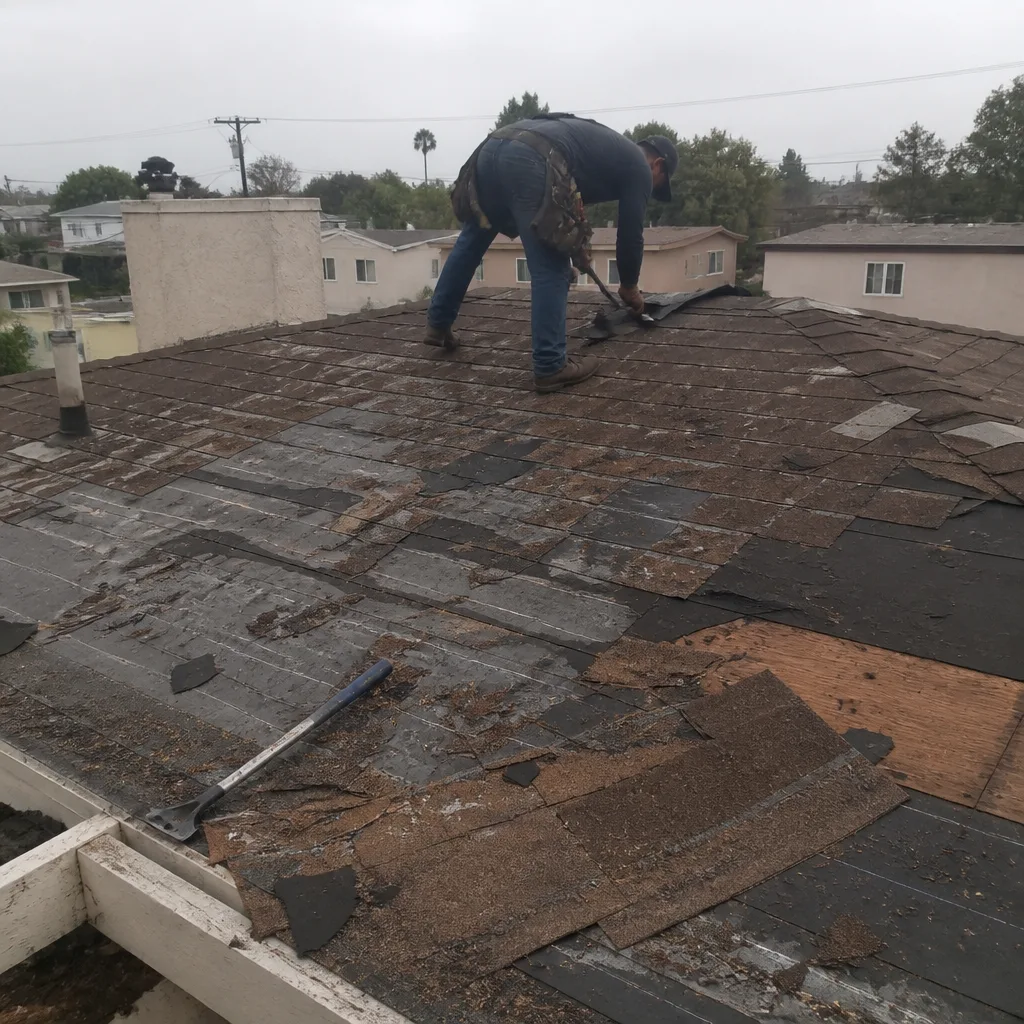 Before
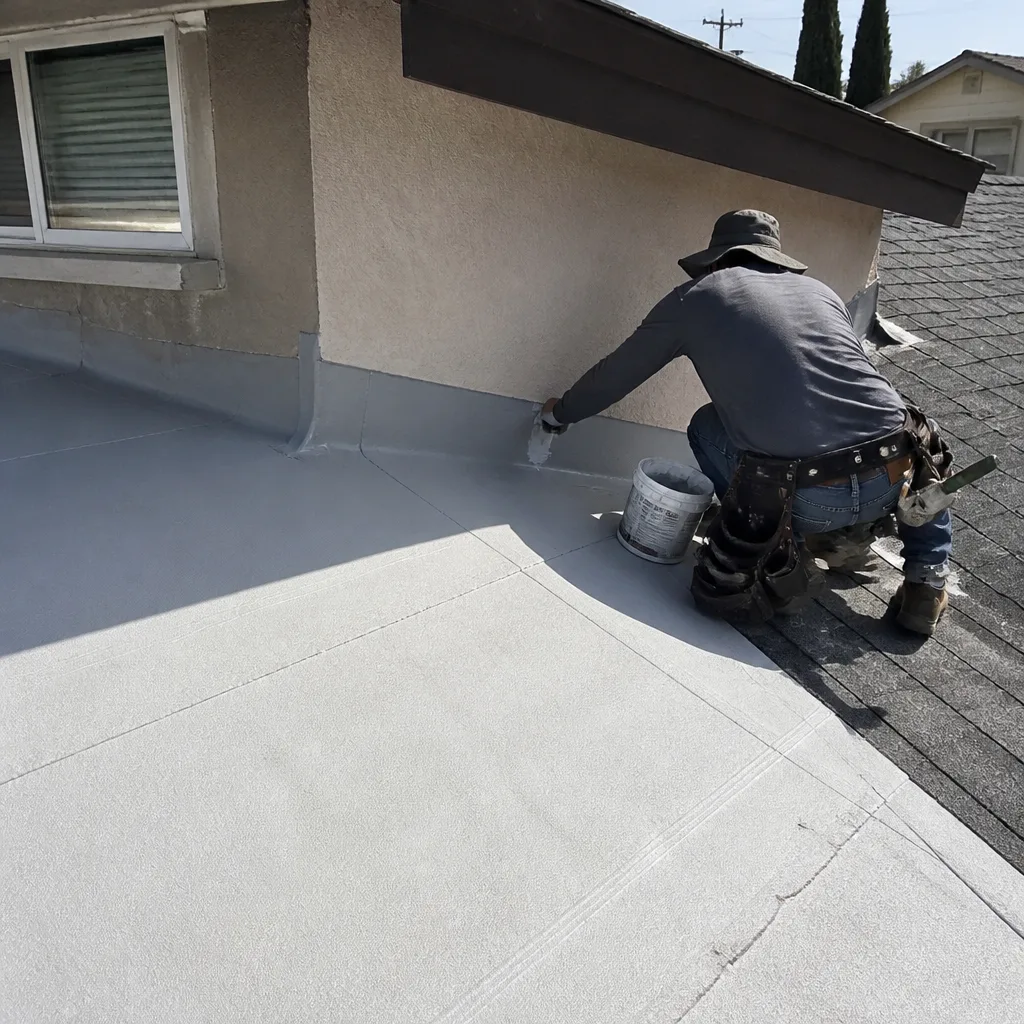 After
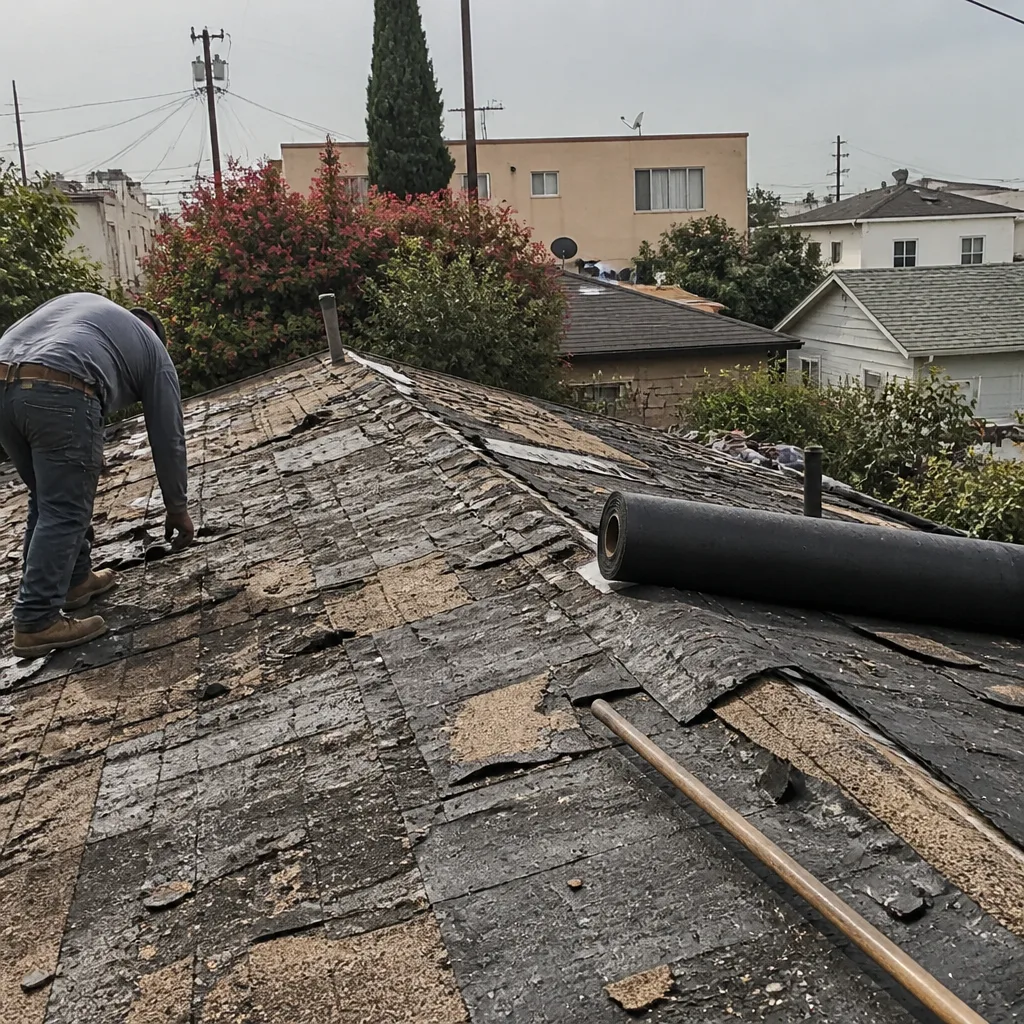 Before
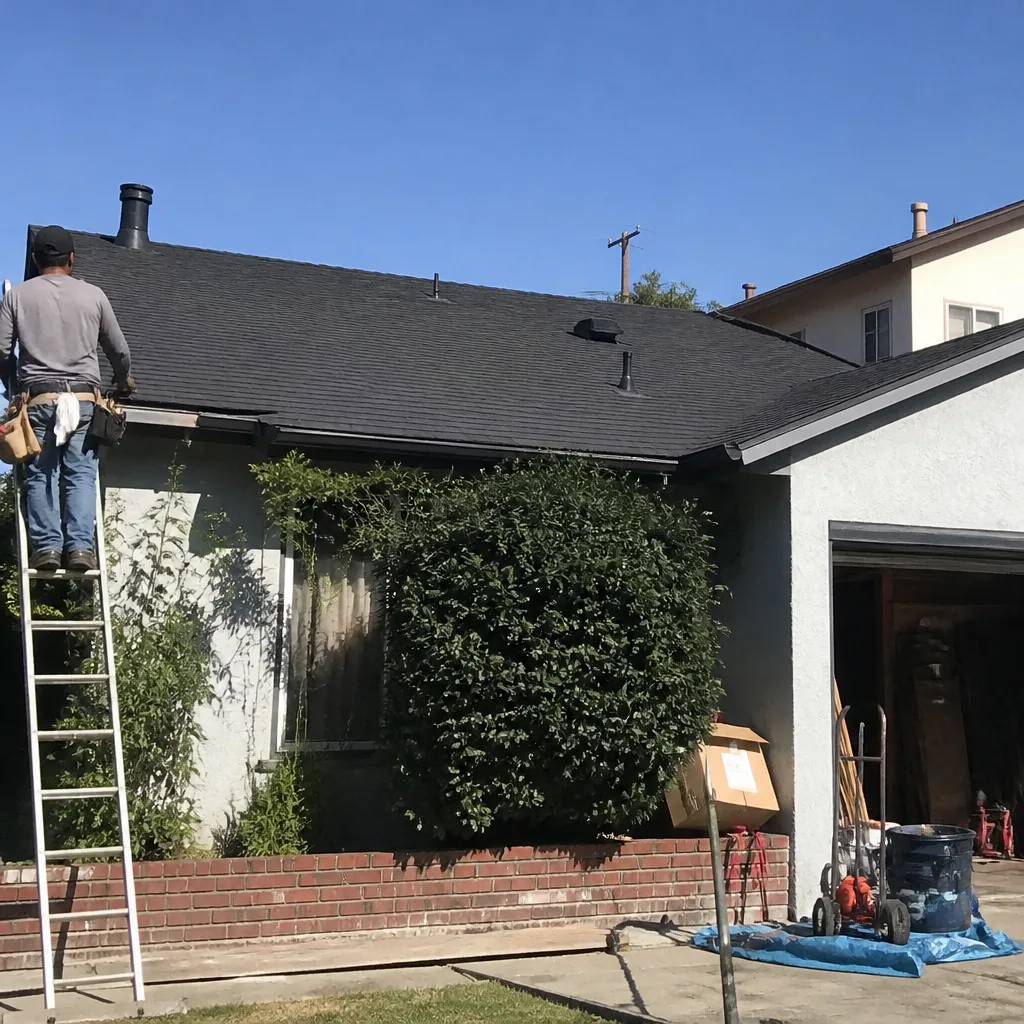 After
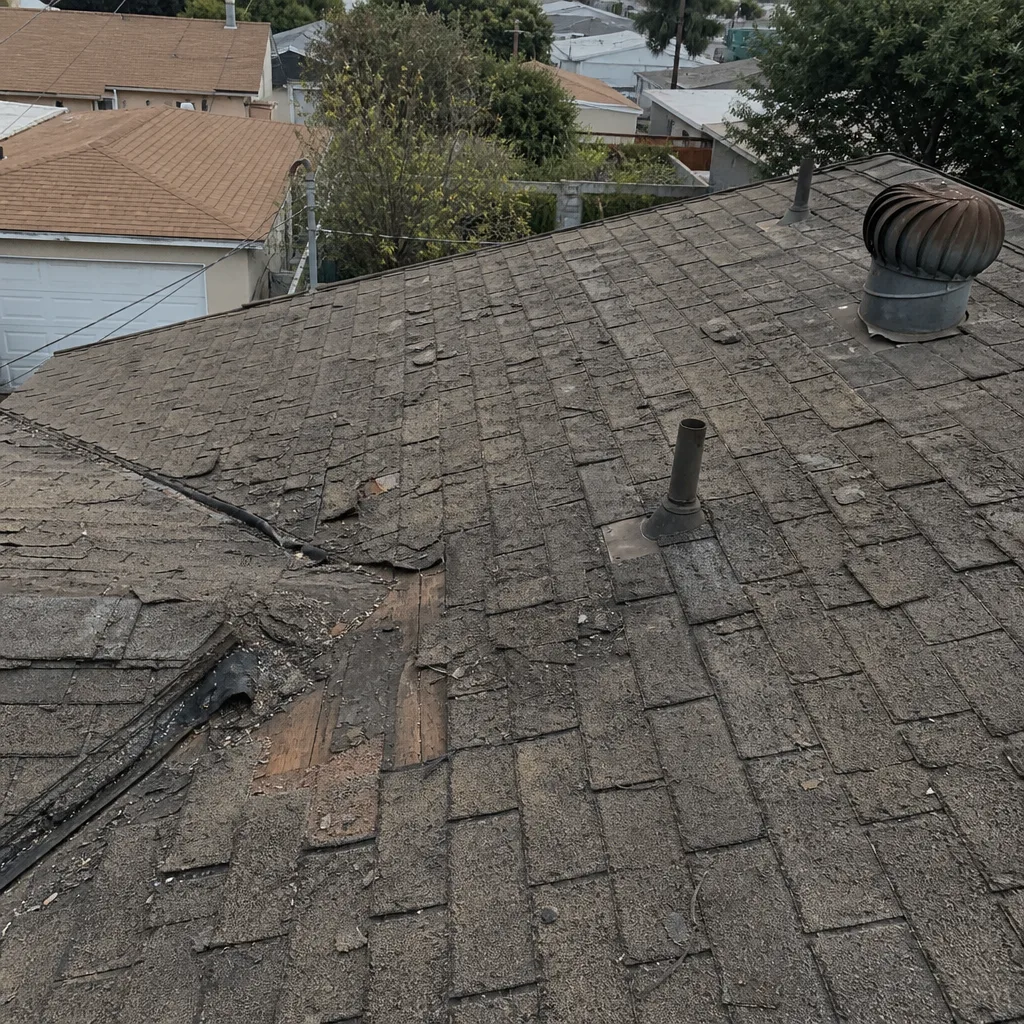 Before
 After
When to Call a Professional
If your roof is over 15 years old and you’re starting to think about replacement, call for an inspection before you start comparing brands. A professional can tell you what’s actually failing, what’s structurally sound, and whether you have a steep-slope or low-slope situation, which determines the entire brand conversation. If you’ve had a leak and you’re patching it repeatedly, that’s a signal the system is at the end of its useful life. If you’re buying a home and the inspection report flags the roof, get a roofing-specific assessment before you assume the worst, or the best, about what’s under those shingles. Koreatown Roofing offers free estimates in Koreatown, call (866) 974-2271 to schedule yours. You can also explore more guides & resources on our blog. We’ll walk the roof with you, explain what we’re seeing, and give you straight answers on brand options for your specific structure.
Frequently Asked Questions
There is no single best brand for every Koreatown home. GAF, CertainTeed, and Owens Corning all produce excellent steep-slope shingles with strong warranty programs when installed by certified contractors. Tamko and Atlas offer legitimate mid-tier value for shorter ownership horizons. Boral is the right answer for tile roof applications. The brand that’s best is the one matched to your roof’s slope, your budget, and your installer’s certification level.
A steep-slope asphalt shingle roof replacement in Koreatown typically falls within a range determined by shingle tier, underlayment, tear-off complexity, and certification level. We’ve provided a framework above under the budget section. For an exact number on your specific roof, call (866) 974-2271 for a free estimate and we’ll give you a written, line-item quote.
It won’t always go completely void, but the coverage will almost certainly be reduced. Most manufacturers downgrade an uncertified installation to a 10-year prorated product warranty with no labor coverage, even on shingles labeled “lifetime.” The warranty you’re buying is the one listed on the certificate for your installer’s certification tier, not the one on the packaging. This is exactly why we emphasize certification verification before anyone signs a contract.
Yes. Steep-slope roofs use asphalt shingles or tile, where shingle brand and installer certification tier matter. Flat and low-slope roofs use membrane systems like TPO, PVC, or modified bitumen, where the system manufacturer and system-level certification matter more than the membrane brand name in isolation. The two roof types require different decision frameworks entirely.
It does. Koreatown’s high UV load degrades asphalt compounds faster than in cooler, cloudier climates. Premium manufacturers formulate their shingles with higher polymer content and UV stabilizers, which translates to better long-term flexibility and granule retention under constant sun. Around year 12 to 15, that formulation difference becomes visible on the roof.
Yes. The right choice depends on your ownership horizon, budget, and roof structure. We carry all three brands and several more, so our recommendation is driven by what’s right for your situation, not by what we happen to stock. Call (866) 974-2271 for a free estimate, and we’ll walk through the comparison on your actual roof.
The Bottom Line
Brand selection is not a popularity contest. It’s a matching exercise between your roof, your budget, your ownership timeline, and the certification level of the contractor you hire. The best brand on paper becomes ordinary if it’s installed by an uncertified crew, and a mid-tier brand becomes excellent when a certified specialist installs it correctly. Koreatown’s UV-heavy climate rewards premium asphalt formulations over long timelines, and flat-roof buildings need a completely different decision framework than shingle homes. Start with an inspection, verify certifications, read the warranty certificate before you sign, and choose a contractor who gives you real options instead of a single take-it-or-leave-it pitch. If you’re in Koreatown and want to talk through brands for your specific roof, we’re here. We do roofing only, every day, every job, and Roof Repair in Koreatown is available for roofs that don’t need a full replacement yet.
Written by the team at Koreatown Roofing, serving Koreatown since 2014.