
Last updated October 30, 2026
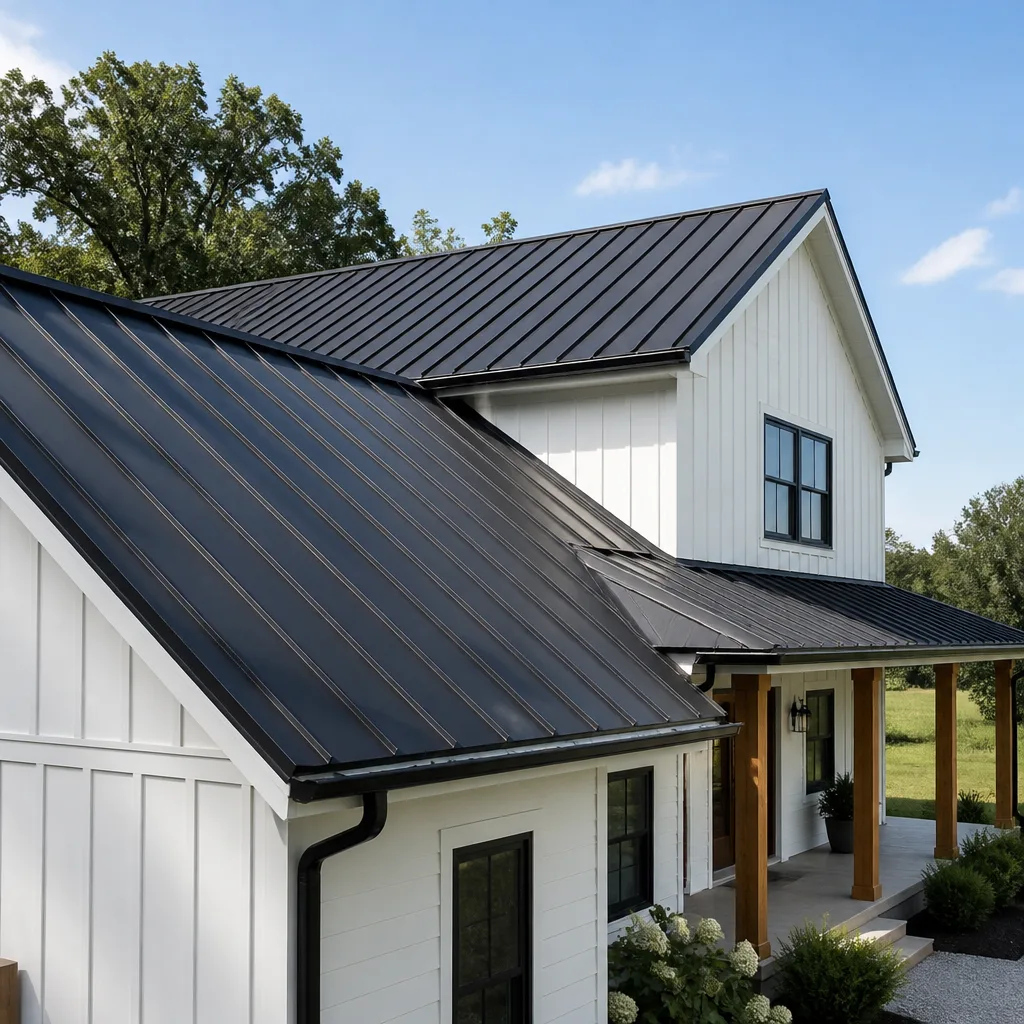 Metal roofing
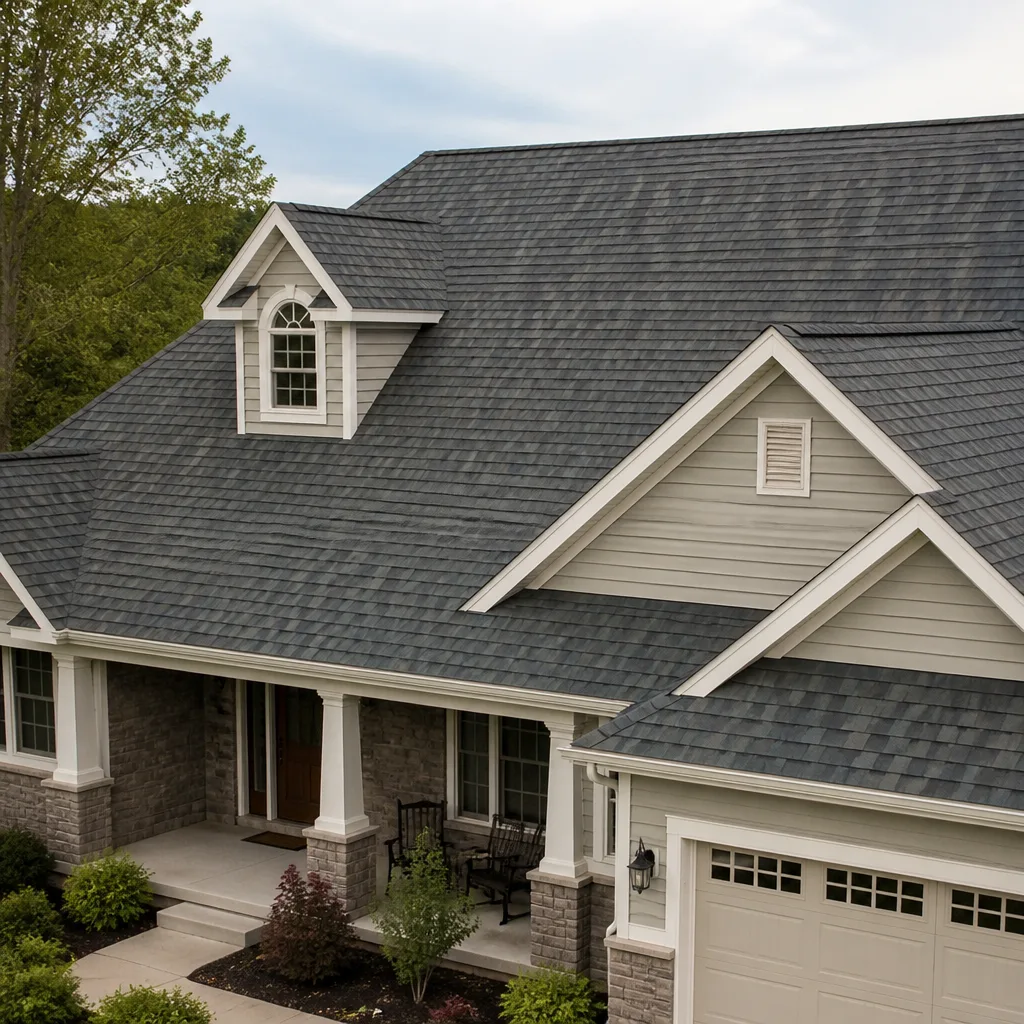 Architectural shingles
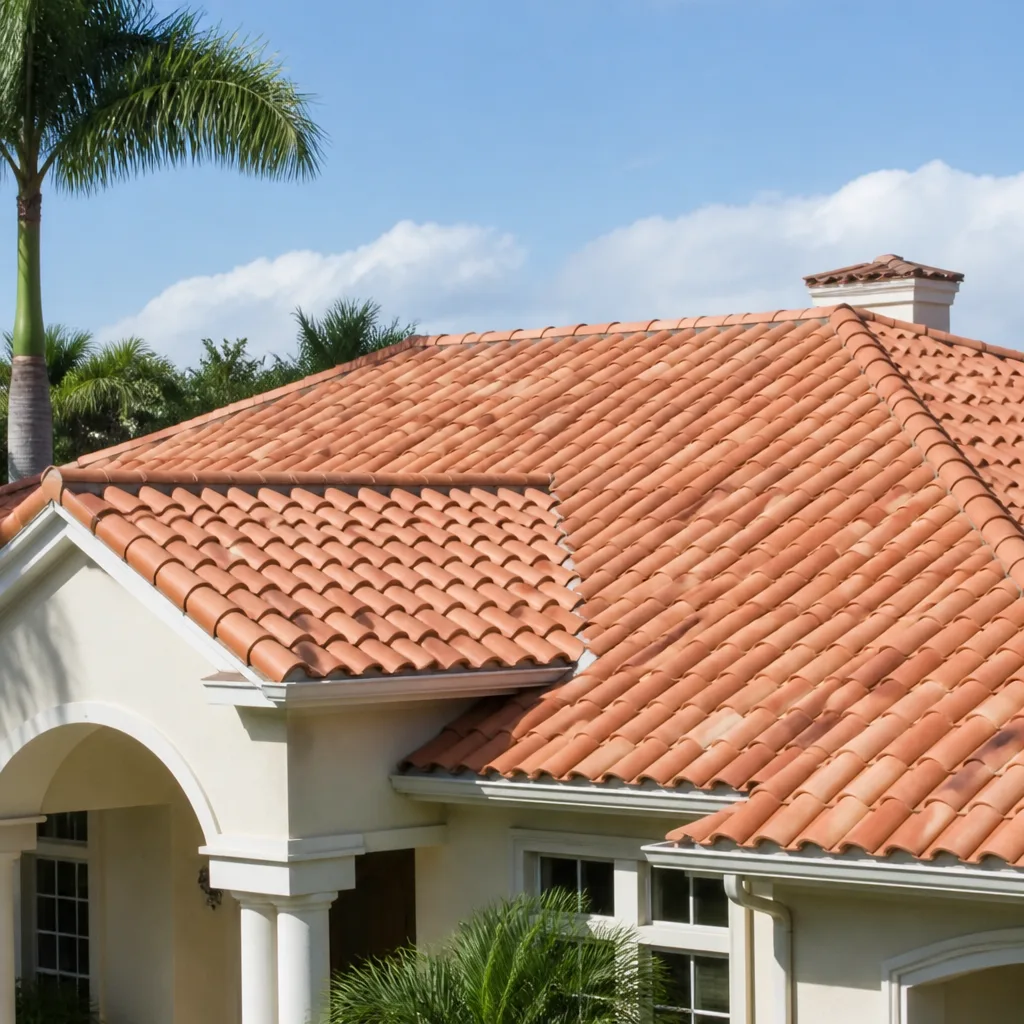 Tile roofing
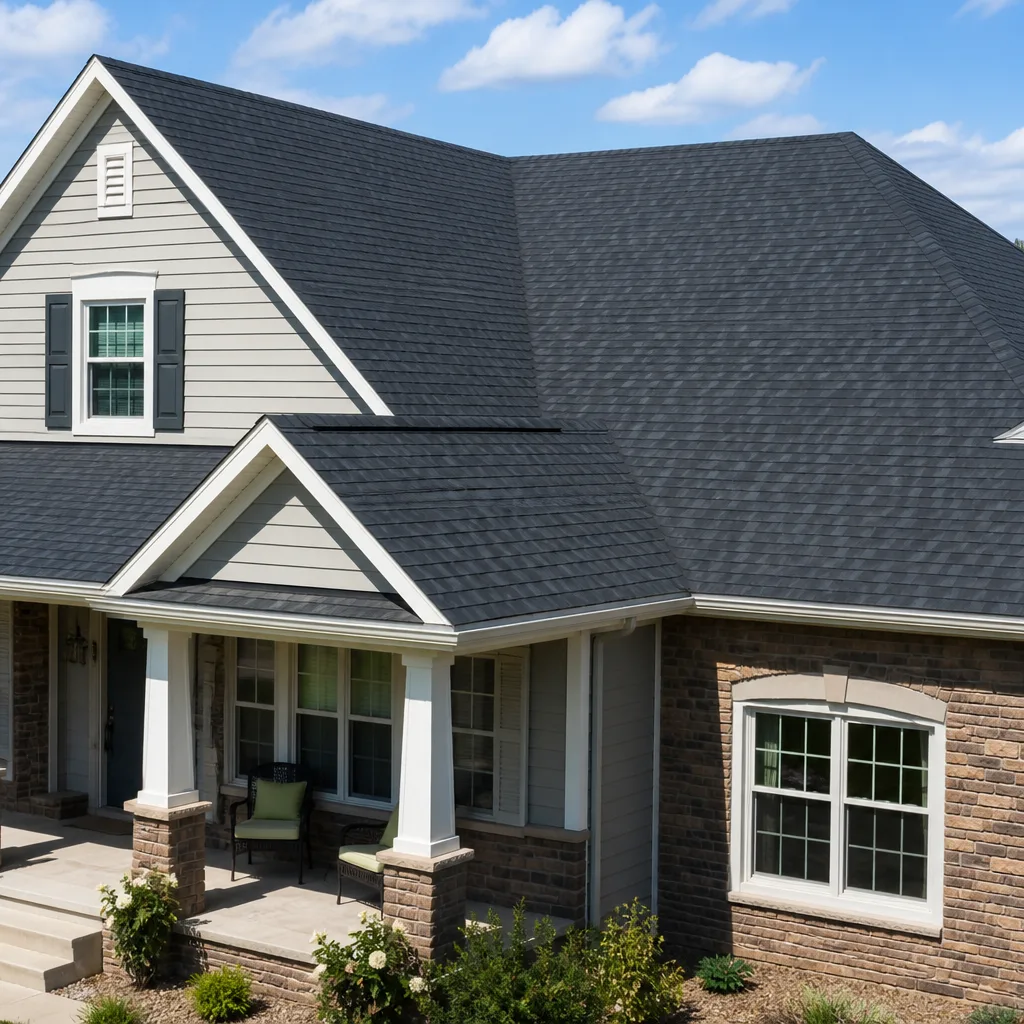 GAF
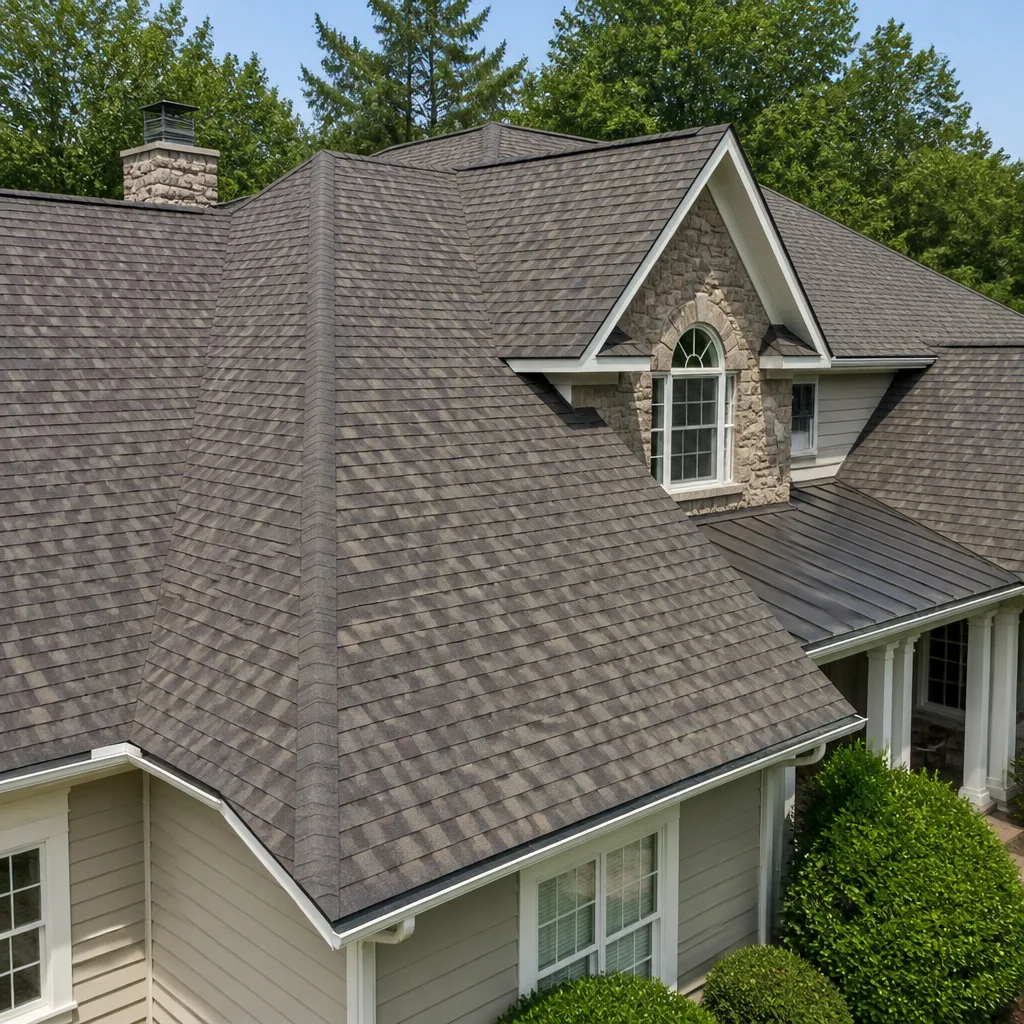 Owens Corning
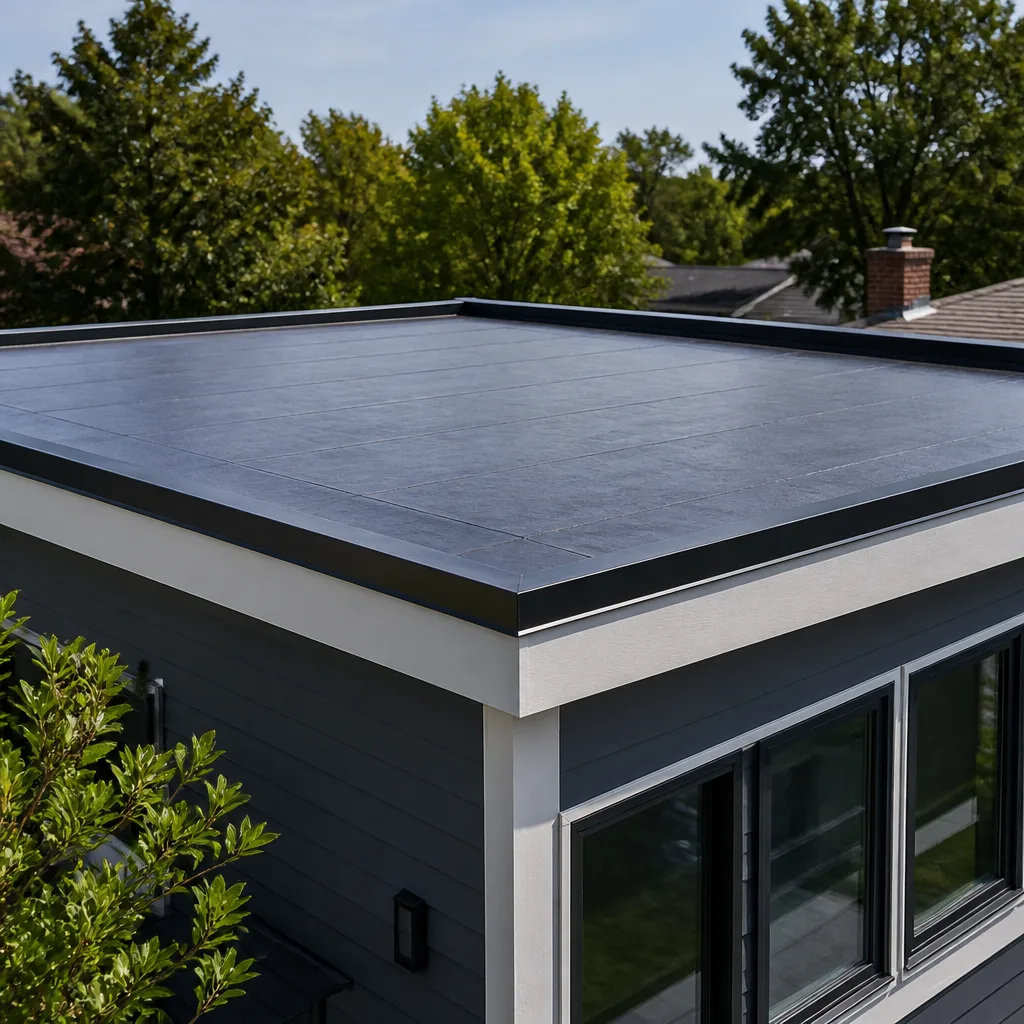 Flat & low-slope
Free roof inspection with deck photos before we talk money - GAF and Owens Corning certified installation
Roofing Emergency Preparedness Guide for Koreatown Homes
After a Santa Ana event or the first major November rain, every reputable Koreatown roofer has a two-to-three week backlog within 48 hours. The property owners who had a response plan, temporary covering materials, documented baseline photos, and pre-vetted contractor contacts, get to the front of the line. Everyone else waits while water keeps moving through their ceiling. This guide is not about preventing every roof failure. It’s about making sure that when something fails, you’re the property owner who acts in hour one, not week three. We’ve put together what we know from years of working on Koreatown roofs, including the specific failure patterns this neighborhood sees every season, so you can build a realistic emergency plan before you actually need one. For more guides & resources, see our blog.
Quick Answer
A roofing emergency in Koreatown means acting immediately to stop water intrusion, document the damage thoroughly, and secure temporary protection before calling a contractor. The smartest homeowners prepare before the emergency by completing a roof audit, taking baseline photos, and pre-vetting a roofing specialist. When damage occurs, the order of operations is: protect the interior, document everything, install temporary covering if safe, then call for a professional inspection and permanent repair plan.
Styles & brands we work with
Table of Contents
- Why Koreatown Roofs Fail When They Do
- The Pre-Season Two-Hour Roof Audit
- The First Hour After Damage: Your Documentation Protocol
- Temporary Tarp Installation: Flat Roof vs. Pitched Roof
- When to Call LADBS for an Unsafe Structure Inspection
- Triage: How to Handle Contractor Calls During Peak Demand
- Insurance Claim Documentation That Holds Up
- Building Your Emergency Response Plan
Why Koreatown Roofs Fail When They Do
Roofing emergencies in Koreatown are almost never random. They cluster around three predictable events: Santa Ana wind events that rip loose flashing and lift shingle edges, the first heavy rain of the season that exposes every weak seal and cracked boot, and the occasional seismic shift that opens seams on older flat roofs. Knowing this changes how you prepare. Instead of treating roof damage like a lightning strike, you treat it like a seasonal hazard with a known arrival window. Our Seasonal Roofing Care for Koreatown: Year-Round Homeowner’s Guide breaks down exactly what to watch for each season.
The housing stock in this neighborhood matters too. Koreatown has a mix of 1920s Spanish-style homes with clay tile, mid-century apartment buildings with built-up flat roofs, and 1980s and 1990s construction with composition shingle. Each roof type fails differently. Clay tile cracks under foot traffic and shifts during wind events. Built-up roofs develop blisters and splits at the flashing points where parapet walls meet the roof plane. Composition shingle roofs lose granules, curl at the edges, and tear off at the eaves when the Santa Anas push hard from the northeast.
What we’ve seen consistently in our roof repair work across Koreatown is that most emergency damage happens at transition points. Where a pipe boot meets the roof deck. Where a chimney flashing bends around the corner. Where a flat roof meets a sloped addition. These are the places water finds its way in, and they’re identifiable before any storm arrives. The difference between a small repair and a major interior water damage claim is usually a matter of weeks and a visual inspection at the right time. For help spotting trouble before it escalates, see Roofing Warning Signs: A Koreatown Homeowner’s Reference Guide.
The other predictable factor is deferred maintenance. A roof that might have survived another season with a simple roof repair in Koreatown becomes an emergency because a small leak at a pipe collar was ignored through the summer. The heat and UV exposure degrade the sealant further, and by the time the first rain comes, that pinhole leak is now a water path straight into the attic insulation. This is the pattern we see more than any other, and it’s the one most preventable through a simple seasonal audit.
The Pre-Season Two-Hour Roof Audit
The most valuable two hours you can spend on your Koreatown roof happen in October, before the rainy season starts. This audit is not a replacement for a professional roof inspection in Koreatown, but it catches the obvious issues that become emergencies later. You’re looking for three specific failure points that account for the overwhelming majority of emergency calls we get every November and December.
- Flashings and penetrations. Walk the roof perimeter if you can do so safely from the ground with binoculars, or position yourself where you can see roof vents, pipe collars, and chimney flashing. Look for cracked sealant, lifted flashing edges, or missing pipe boots. These are the entry points for 70% of the leaks we repair.
- Drainage paths. On flat roofs, check that scuppers and drains are clear of leaves, debris, and standing water. A flat roof with ponding water is a roof that will leak. On pitched roofs, look for areas where debris has accumulated in valleys or behind chimneys. That debris holds moisture against the roof surface and accelerates degradation.
- Surface condition. On composition shingle, look for missing granules, curling edges, or shingles that have slipped. On tile roofs, look for cracked or broken tiles, especially near the ridge and at the eaves. On flat roofs, look for blisters, splits, or exposed felt at the seams.
Take photos of anything you find, even if you’re not sure it’s a problem. These become your baseline documentation. If the roof fails later, you have a record showing the condition before the storm, which supports the narrative that damage was storm-related rather than pre-existing. This matters more than most homeowners realize when the insurance adjuster comes out.
If you find anything that concerns you, call for a professional repair before the first rain. At Koreatown Roofing, we do roof replacement in Koreatown when the surface is too far gone, but most pre-season audits reveal smaller issues that respond well to targeted repairs. The cost of fixing a pipe boot in October is a fraction of what you’ll pay for emergency water mitigation in December.
The First Hour After Damage: Your Documentation Protocol
When you discover water coming through your ceiling, a section of shingles on the ground, or a visible split in your flat roof, the first hour determines how smoothly the rest of the process goes. The mistake most people make is calling contractors before documenting anything. Contractors will still be there in an hour. Photographic evidence of what happened when it happened is harder to reconstruct.
Your documentation sequence should follow this order. First, photograph the interior damage from multiple angles, including wide shots that show the room context and close-ups that show water staining, bubbling paint, or active drips. Place a clean sheet of paper with the date written on it in one corner of each photo, or enable the timestamp on your phone camera. This addresses the most common insurance adjuster pushback, which is that interior damage pre-existed the reported event.
Second, photograph the exterior damage from ground level if you can safely see it. Do not climb onto a roof that is wet, storm-damaged, or that you cannot access with a proper ladder secured on stable ground. Use a zoom lens or binoculars with a phone adapter if needed. What matters is capturing the location and character of the damage, not getting close enough to touch it.
Third, take a short video walkthrough of the entire affected area, both inside and outside. Narrate what you see as you film: “Here’s the water coming through the ceiling in the northeast bedroom, and here’s the missing shingle section on the west slope visible from the driveway.” This creates a timestamped, descriptive record that stills alone cannot match. Adjusters and contractors both respond differently to video evidence, and in our experience it moves the claim along faster.
Finally, create a simple written record. Date, time, weather conditions, what you observed, what you did in response. This does not need to be formal. A note on your phone is fine. But written contemporaneous records carry weight in disputed claims, and they help you stay organized when you’re talking to multiple parties about the same event.
Do not begin any repair work, even temporary, until this documentation is complete. The temptation is to start moving furniture and mopping up water, and you should absolutely do that to prevent further interior damage. But photograph the scene as it is first, then mitigate. The sequence matters.
Temporary Tarp Installation: Flat Roof vs. Pitched Roof
Temporary tarping is the single most effective action you can take to stop active water intrusion before a permanent repair happens. But the technique differs significantly between flat roofs and pitched roofs, and doing it wrong on a flat roof can make ponding worse, which accelerates the very damage you’re trying to stop. Here’s what you need to know about each approach.
Flat roof tarping. On a flat or low-slope roof, the goal is not to create a tent or shed water quickly. The goal is to create a continuous, weighted coverage that prevents water from pooling against the damaged area. Start with a tarp that extends at least four feet beyond the damaged area on all sides. Lay it flat over the damage, then fold the edges under to create a slight lip that directs water toward existing drains and scuppers. Secure the tarp with sandbags, not boards. Boards create point loads that can puncture the roof membrane, especially on older built-up roofs in Koreatown where the surface may already be fragile. Space the sandbags every three to four feet along all edges and anywhere the tarp might billow in wind. If the tarp is sagging in the middle and creating a pond, you need more sandbags at the edges to tension it flat. A ponding tarp is worse than no tarp at all because it holds water directly against the compromised area.
Pitched roof tarping. On a sloped roof, the goal is to create a shedding surface that overlaps the damaged area and directs water downslope without letting it back under the shingles. The tarp must extend from at least two feet above the ridge to at least three feet below the damage, and at least four feet wider than the damage on each side. Slide the top edge of the tarp under the ridge cap shingles or secure it with furring strips nailed into place along the top edge, using roofing nails with plastic washers. Then run additional furring strips or sandbag rows down the sides. The bottom edge should remain loose so water can run off, but not so loose that wind can get underneath and lift the whole assembly. In Santa Ana conditions, a poorly secured tarp becomes a sail and can cause more damage than the original problem.
We cannot overstate this: do not attempt tarp installation if it means getting onto a roof you cannot safely access. Wet roofs are slippery. Storm-damaged roofs may have compromised decking that cannot support your weight. If you have any doubt about safe access, call a professional and focus instead on interior mitigation: move belongings, place buckets, and document the active leak. The risk of a fall is never worth the water you might stop. At Koreatown Roofing, we see the injury reports from well-intentioned DIY tarping every rainy season, and they’re almost always more serious than the roof damage itself.
When to Call LADBS for an Unsafe Structure Inspection
Not every roofing emergency requires a call to the Los Angeles Department of Building and Safety. In fact, most do not. Understanding the distinction between cosmetic damage, repairable damage, and structural compromise will save you from unnecessary delays and bureaucratic tangles. LADBS responds to unsafe structure complaints and emergency inspection requests, but their focus is on whether the building poses an immediate hazard to occupants or the public, not on whether your roof needs repair.
Call LADBS for an emergency inspection when you observe any of the following: separation of the roof structure from supporting walls, visible sagging or deflection in the roof plane, cracked or shifted parapet walls, or damage that suggests the roof deck has lost its connection to the framing. These conditions indicate structural compromise, and LADBS has the authority to require immediate action, which can actually help you get faster service from contractors and insurance adjusters because there’s now a documented safety requirement behind the urgency.
Do not call LADBS for water intrusion, missing shingles, lifted flashing, cracked tiles, or localized damage that does not affect the building’s structural stability. These are repair issues, not unsafe structure issues. Calling LADBS for a leak will not get you faster service. It will add a bureaucratic step that delays your repair while you wait for an inspector who will note that the condition is not an unsafe structure and close the file. The right call is a roofing contractor who can document the damage professionally and provide the repair scope.
The middle ground is when you’re unsure. If the damage involves anything structural, even suspected, err on the side of calling LADBS. It’s better to have an inspection that finds no structural compromise than to have structural damage that goes unaddressed because no one with authority looked at it. You can reach LADBS through their main line or through the MyLA311 system, and in our experience, emergency inspection requests during weather events are prioritized based on the severity of the reported conditions. Be specific about what you’re seeing, and use the word “structural” only when there’s a genuine structural concern.
Triage: How to Handle Contractor Calls During Peak Demand
When a major storm hits Koreatown, every roofer’s phone rings at the same time. The contractors who are honest will tell you their backlog, and the contractors who are desperate for deposits will tell you they can start tomorrow. Your job is to tell the difference quickly and to get accurate information without wasting hours on hold. Here’s the triage script we recommend, based on how we handle our own scheduling during peak demand periods.
First, know that the two-to-three week backlog is real and it forms within 48 hours of the first major rain or wind event. Contractors who say they can be out the next day during peak demand are either not busy for a reason, or they’re planning to subcontract the work, or they’re being less than honest about their capacity. None of those are disqualifying on their own, but they require verification. Ask directly: “Is your crew your own employees or subcontractors?” and “What’s the earliest date you can start, and will that date hold?”
Second, ask about temporary protection. The honest answer from a contractor who is backed up is: “We can have someone out to tarp within 48 hours, but the repair itself will be two to three weeks.” The contractor who says they’ll do the full repair immediately during a citywide emergency is either overbooked and lying, or they’re not actually doing the work they say they’re doing. Neither helps you.
Third, understand the deposit structure. Legitimate contractors take deposits to schedule work, not to hold a place in a vague queue. Ask what the deposit covers, when it’s refundable, and what triggers a schedule lock. A contractor who wants a large deposit before providing a written scope of work is a red flag. A contractor who provides a written scope, a line-item price, and a schedule with the deposit is operating professionally.
Finally, use the local advantage. Koreatown Roofing operates in this neighborhood specifically, which means our backlog during an emergency is shared with our neighbors. We know which blocks flood, which buildings have recurring flat roof issues, and which repair approaches work on the specific roof types common here. When you call a contractor, asking “Do you work in this neighborhood regularly?” is a legitimate question that tells you something useful about their familiarity with your building’s likely issues.
Insurance Claim Documentation That Holds Up
Insurance adjusters see hundreds of claims after every major weather event in Koreatown. The difference between a claim that gets paid quickly and one that gets disputed comes down to documentation quality, timeline consistency, and the language you use when describing the damage. Here’s what we’ve learned from watching countless claims work their way through the process.
The strongest claims have three things in common. One: pre-event documentation showing the roof’s condition before the storm, even if that’s just photos from a few months earlier showing it was intact. Two: post-event documentation showing the specific damage and the conditions that caused it, with timestamps. Three: a consistent narrative that connects the storm event to the specific damage observed. If you have a roof inspection in Koreatown report from before the storm, that’s gold. If you don’t, any photos you took during your pre-season audit serve the same purpose.
When you describe the damage to your insurance company, use the language of causation. Don’t say “the roof is old and needs replacement.” Say “the wind event on November 12th tore the flashing at the chimney, and water entered through that opening.” The first statement suggests pre-existing condition. The second documents a specific event causing specific damage. This distinction matters more than you’d expect. We’ve seen nearly identical roof damage on the same block get different claim outcomes based entirely on how the homeowner framed the initial report.
Keep receipts for everything: the tarp materials, the contractor’s temporary work, the interior water mitigation, the new buckets. All of it is claimable. And keep a log of every call you make, who you talked to, what they said, and when the conversation happened. Insurance companies create their own logs. Yours should be just as organized. When the adjuster comes out, walk them through what you found and what you did in response, using your documentation as the guide. You’re not arguing with them. You’re showing them what happened.
One more note: if the damage is clearly storm-related and significant, do not wait for the insurance company to authorize temporary protection before you stop the water intrusion. Your policy requires you to mitigate further damage, and the cost of the tarp and the temporary work is recoverable. Waiting for authorization while water continues to intrude is the most expensive mistake we see, because the insurer will correctly argue that you failed to mitigate, and they may reduce coverage for the interior damage that resulted from the delay.
Building Your Emergency Response Plan
Everything in this guide becomes actionable when you put it into a plan you can execute at 3 a.m. during a storm, when you’re tired, stressed, and trying to remember what you read. Your emergency response plan should be simple enough to fit on one page and specific enough to actually help. Here’s the framework we recommend for every Koreatown homeowner.
- Write down your contractor contacts now. Not just phone numbers, but names, and a note about what they specialize in and when you last talked to them. At Koreatown Roofing, our number is (866) 974-2271, and we handle inspection, repair, and replacement for residential roofs throughout the neighborhood. Put it in your phone today so you’re not digging through the internet at midnight during a storm.
- Know where your roof access points are. Whether it’s a flat roof you can reach from a patio or a pitched roof you can only view from the ground, understanding your access constraints ahead of time helps you know what you can safely inspect yourself and what you need a professional for.
- Store your baseline documentation. Keep the photos from your pre-season audit somewhere you can find them. Cloud storage is fine. What matters is that you can access them from your phone when the insurance adjuster asks what the roof looked like before the storm.
- Pre-position your temporary materials. A heavy-duty tarp, sandbags, and a few furring strips with nails cost less than $100 and take up minimal space in a garage or storage closet. When the storm hits, you’re not fighting the crowds at the hardware store. You’re executing a plan.
- Know your water shutoff and breaker locations. If water intrudes enough to reach electrical fixtures, you need to kill power to that circuit. If it’s reaching plumbing, you may want to isolate the affected area. These are the things you want to know before they matter.
Build this plan in October. Share it with anyone who lives in the home. Revisit it when you do your pre-season audit. The plan itself takes less than an hour to create, and it’s the difference between being a property owner who handles an emergency and one who is handled by the emergency.
Common Mistakes to Avoid
- Waiting to document damage until after you’ve cleaned up. The scene as you found it is the evidence that matters. Photograph first, mitigate second.
- Calling the first contractor you find online without checking their local footprint. A franchised call center with rotating crews has no neighborhood reputation to protect. A Koreatown roofer does.
- Assuming your insurance covers pre-existing conditions. If the adjuster determines the damage existed before the storm, your claim shrinks or disappears. Pre-season photos protect you.
- Ignoring a small leak because it’s not causing visible damage yet. Every major water intrusion starts as a small one. Every major repair starts as a small repair. The math only works in your favor if you act early.
- Attempting roof work on a wet or damaged roof without proper safety equipment. The hospital visit costs more than the tarp job, and it doesn’t fix the roof.
- Using the wrong temporary materials on a flat roof. Boards puncture membranes. Improperly secured tarps create ponds. Sandbags and flat-lay tarping are the correct approach.
- Accepting a verbal estimate without a written scope. During peak demand, the pressure to move fast is real. The contractor who won’t put it in writing is the one who’ll change the price later.
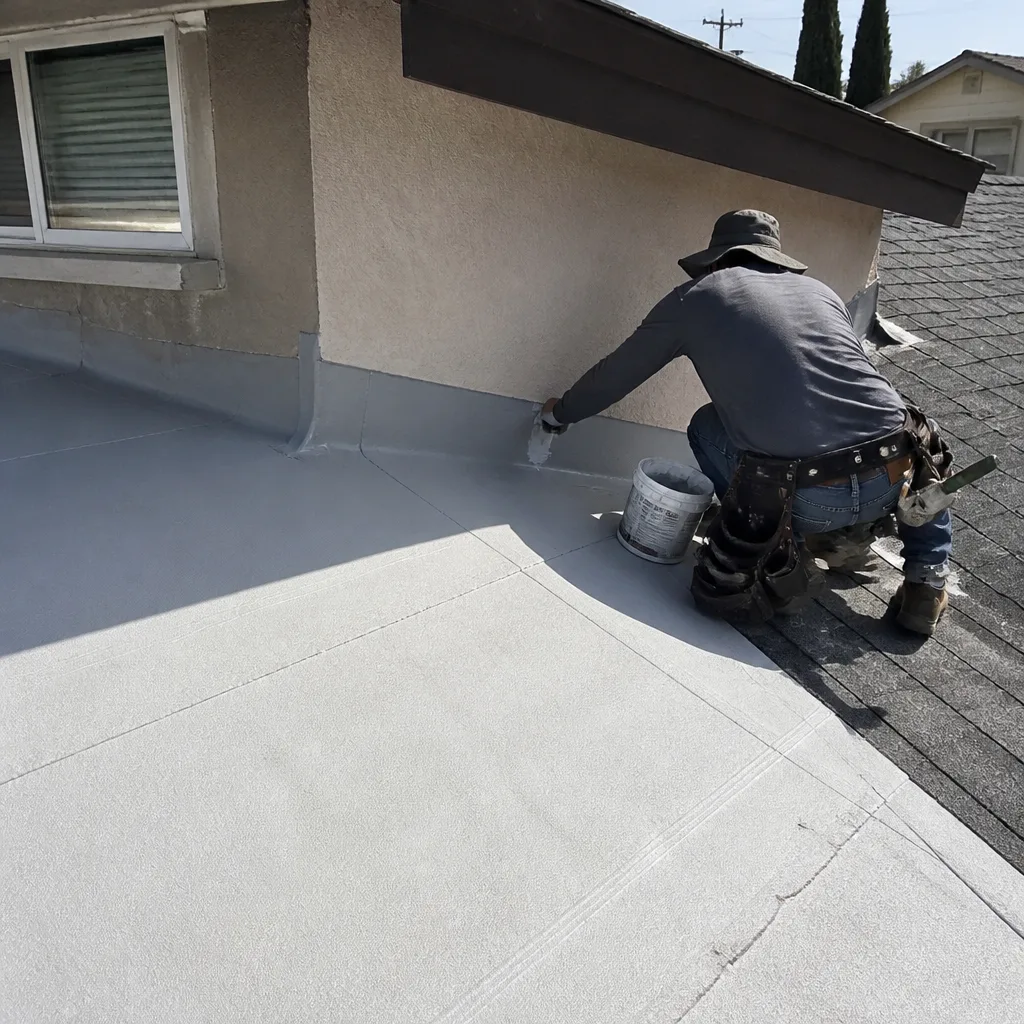
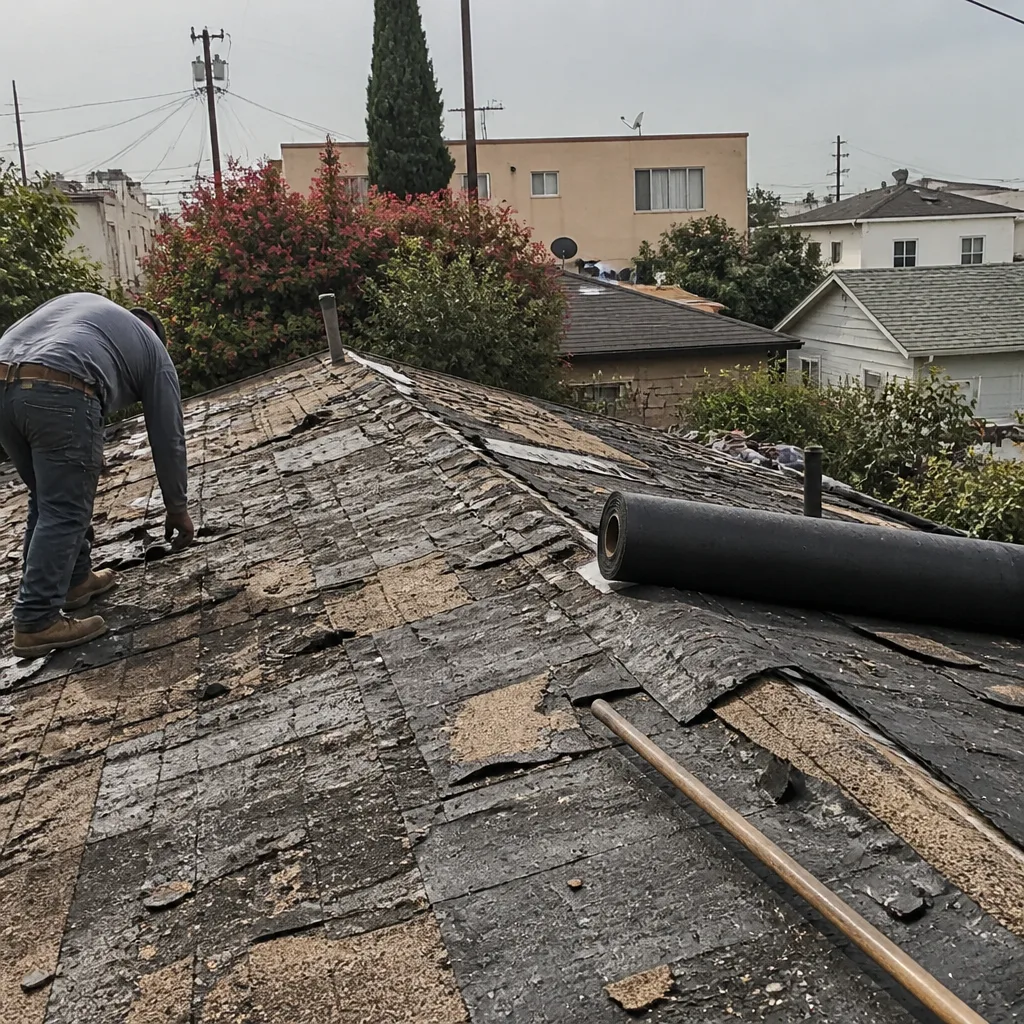
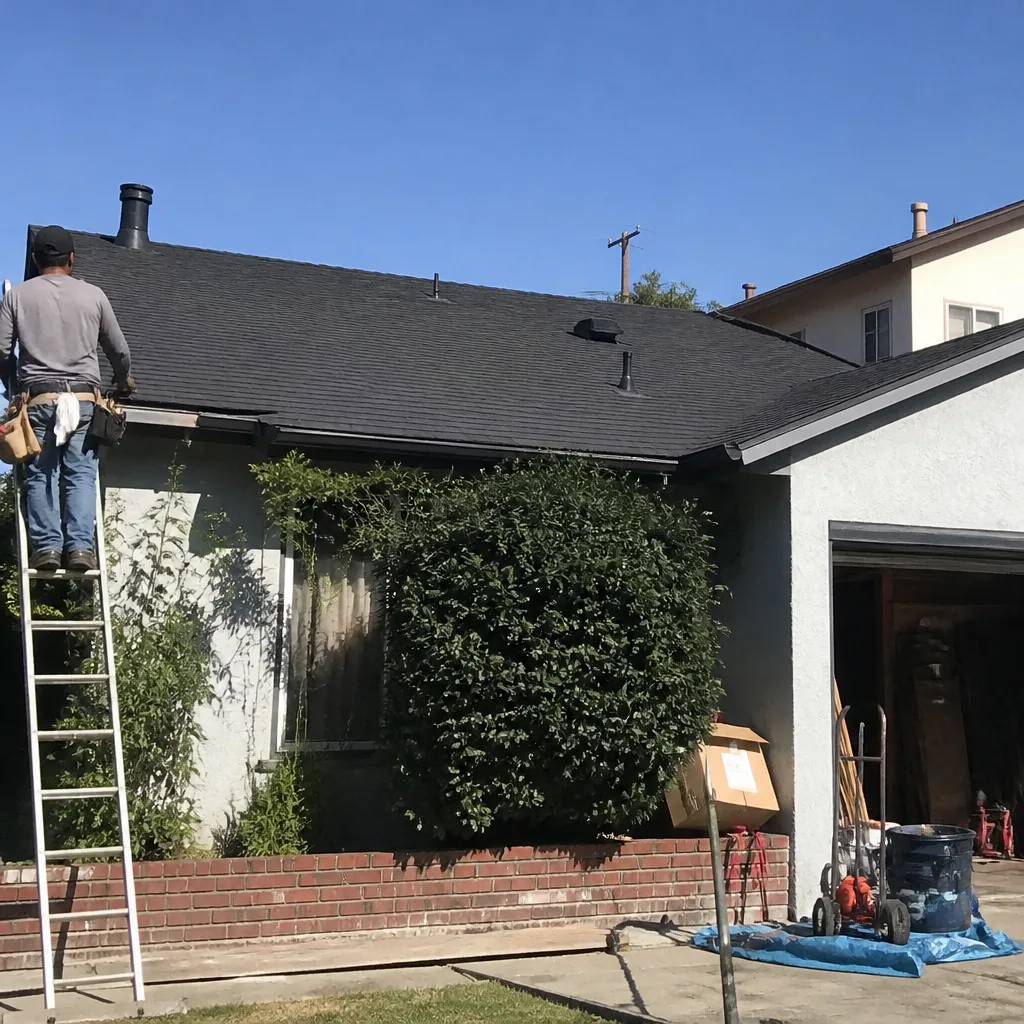
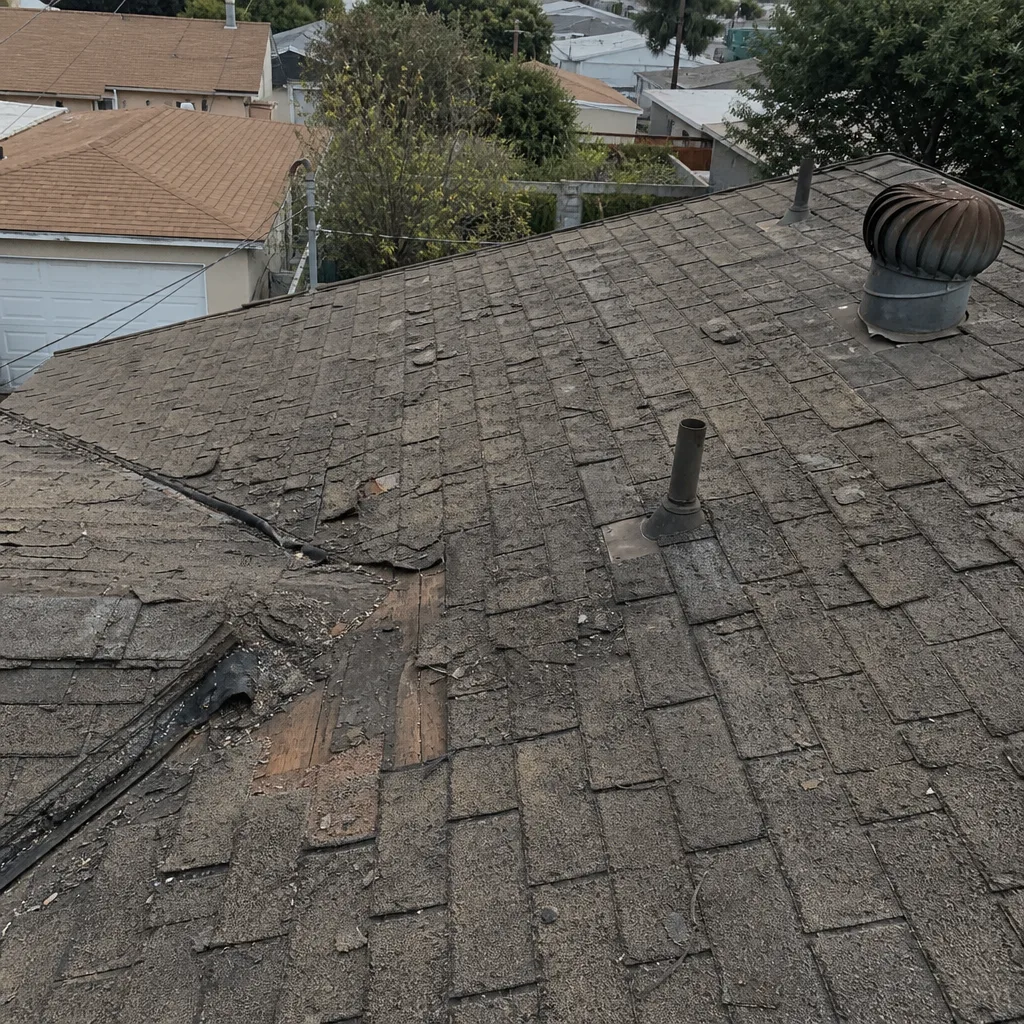
See the difference
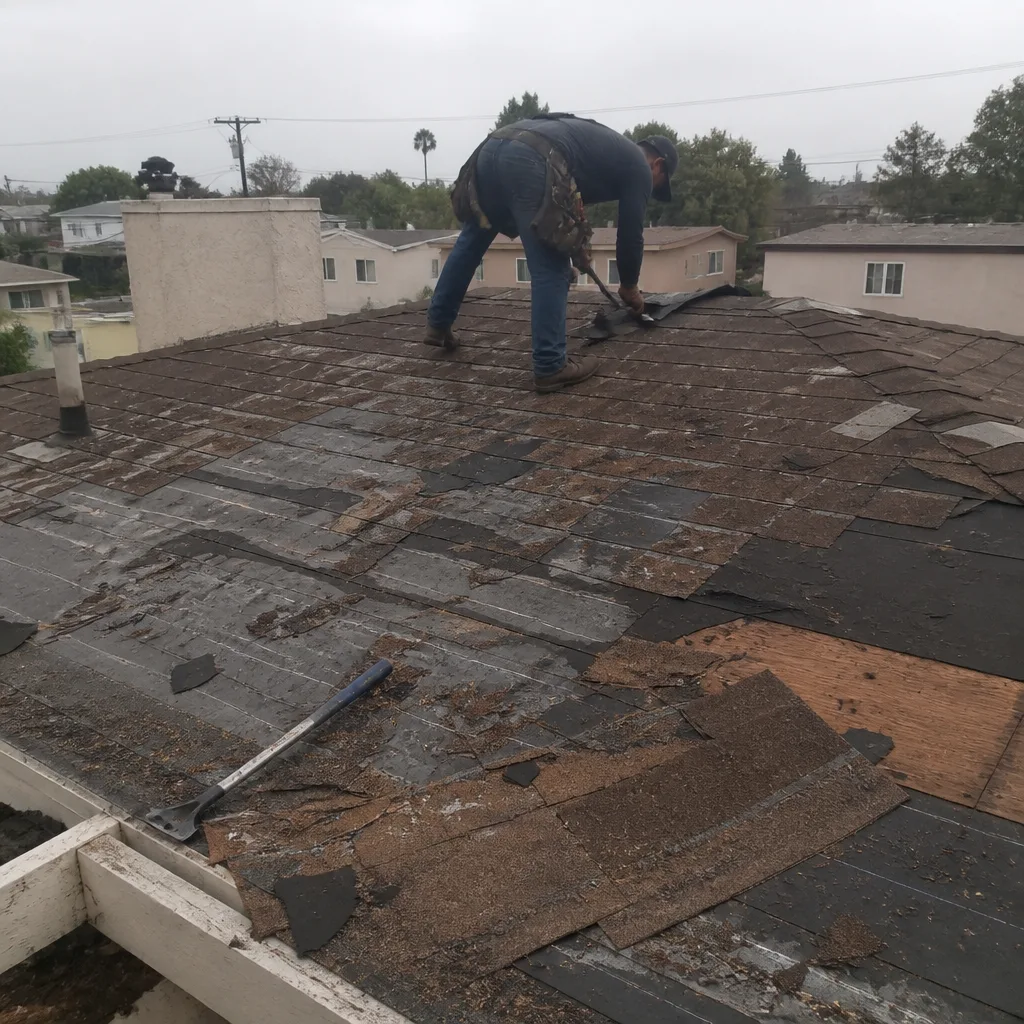 Before
 After
 Before
 After
 Before
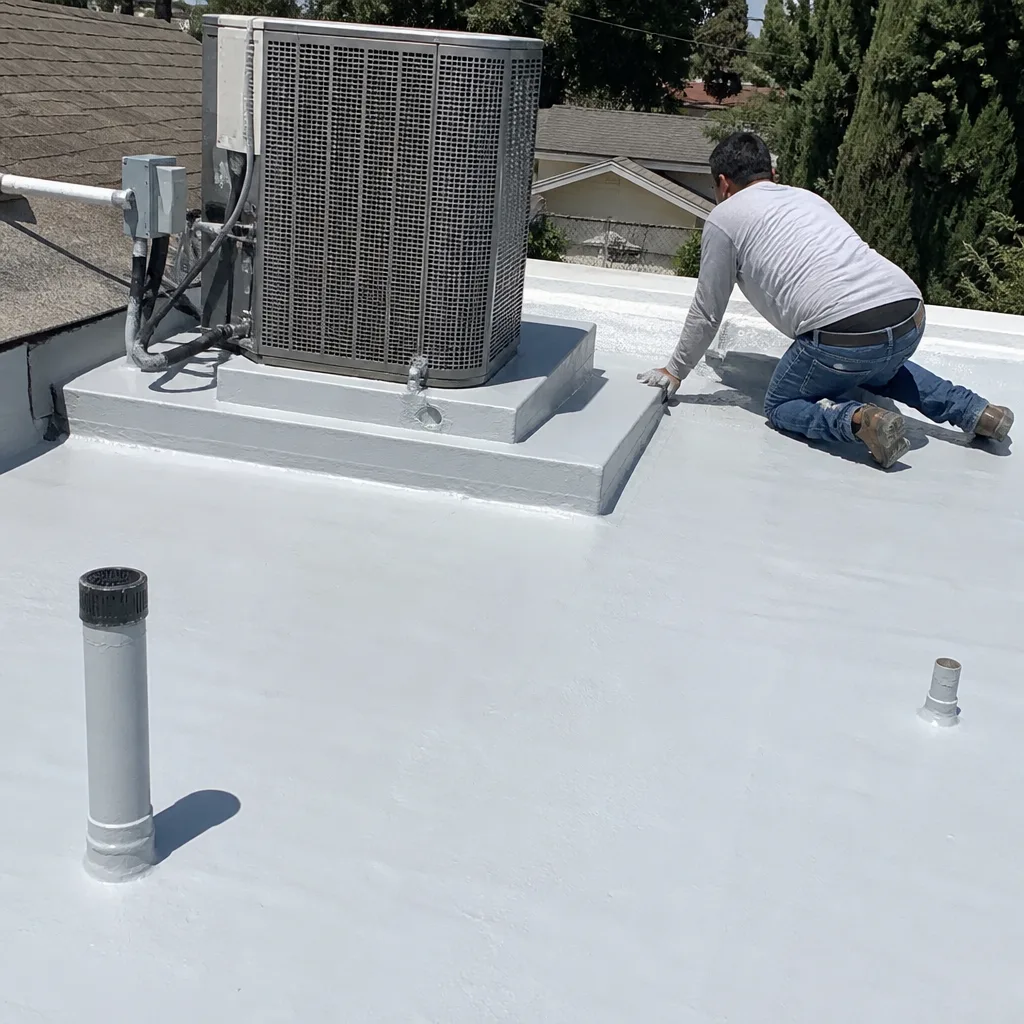 After
When to Call a Professional
You need a professional when the damage involves structural concerns, when safe access is limited, when the insurance claim requires a contractor’s documentation, or when the temporary protection is not holding and water continues to intrude. You also need a professional when the pre-season audit reveals issues you cannot confidently assess yourself. A roof inspection from someone who does this every day will catch what a homeowner’s visual scan misses, and the cost of that inspection is minor compared to the cost of discovering a problem the hard way. Koreatown Roofing offers free estimates in Koreatown, call (866) 974-2271 to schedule yours.
Frequently Asked Questions
Move belongings away from the leak, place a bucket or container to catch water, and photograph the active leak with your phone before you clean anything up. Then call a roofing contractor to schedule temporary protection and permanent repair. If water is near electrical fixtures, shut off the circuit breaker for that area before doing anything else.
Depending on the severity of the storm and how many other homes are affected, permanent repairs can take two to three weeks after a major event. Temporary tarping to stop active water intrusion typically happens much faster, often within 24 to 48 hours. The wait time is exactly why pre-season preparation and early damage detection matter so much.
Most homeowners policies cover storm-related damage only, not pre-existing degradation. If the adjuster determines the roof was already compromised before the storm, the claim may be reduced or denied. Pre-season photos, a documented maintenance history, and a clear causation narrative all strengthen your claim.
Most emergency repairs that restore the roof to its pre-existing condition do not require a building permit. Replacement of large roof sections, structural repairs, or any work that changes the roof assembly may require LADBS permits. A local roofing contractor who works in Koreatown regularly will know the specific requirements and can pull permits when needed.
You can install a temporary tarp on a flat roof yourself if you can safely access the roof and the surface is stable enough to walk on. The key is using sandbags rather than boards for securing the tarp, and ensuring the tarp lies flat without creating a pond. If the roof is wet, cracked, or you have any doubt about safe access, call a professional instead. The risk of a fall or a punctured membrane is not worth it.
We recommend a professional roof inspection once a year, ideally in early fall before the rainy season starts in Koreatown. This catches the flashings, pipe boots, and surface issues that become emergencies during the first heavy rain. If your roof is older or you had a major weather event, more frequent inspections may be appropriate.
The Bottom Line
Roofing emergencies in Koreatown follow predictable patterns, which means the response can be systematic rather than panicked. The property owners who come through storms with minimal damage are the ones who did the pre-season audit, took the baseline photos, had the temporary materials on hand, and knew exactly who to call when things went wrong. The Koreatown Roofing home team works with the roofs in this neighborhood every day, and we see the same story play out every season: preparation beats reaction, and documentation beats argument. Build your plan now, before the Santa Anas start blowing and the November rain starts falling. Call (866) 974-2271 for a free estimate or to schedule your pre-season inspection. Your roof, your material choice, and the time to act is before the emergency, not during it.
Written by the team at Koreatown Roofing, serving Koreatown since 2014.