
Last updated October 30, 2026
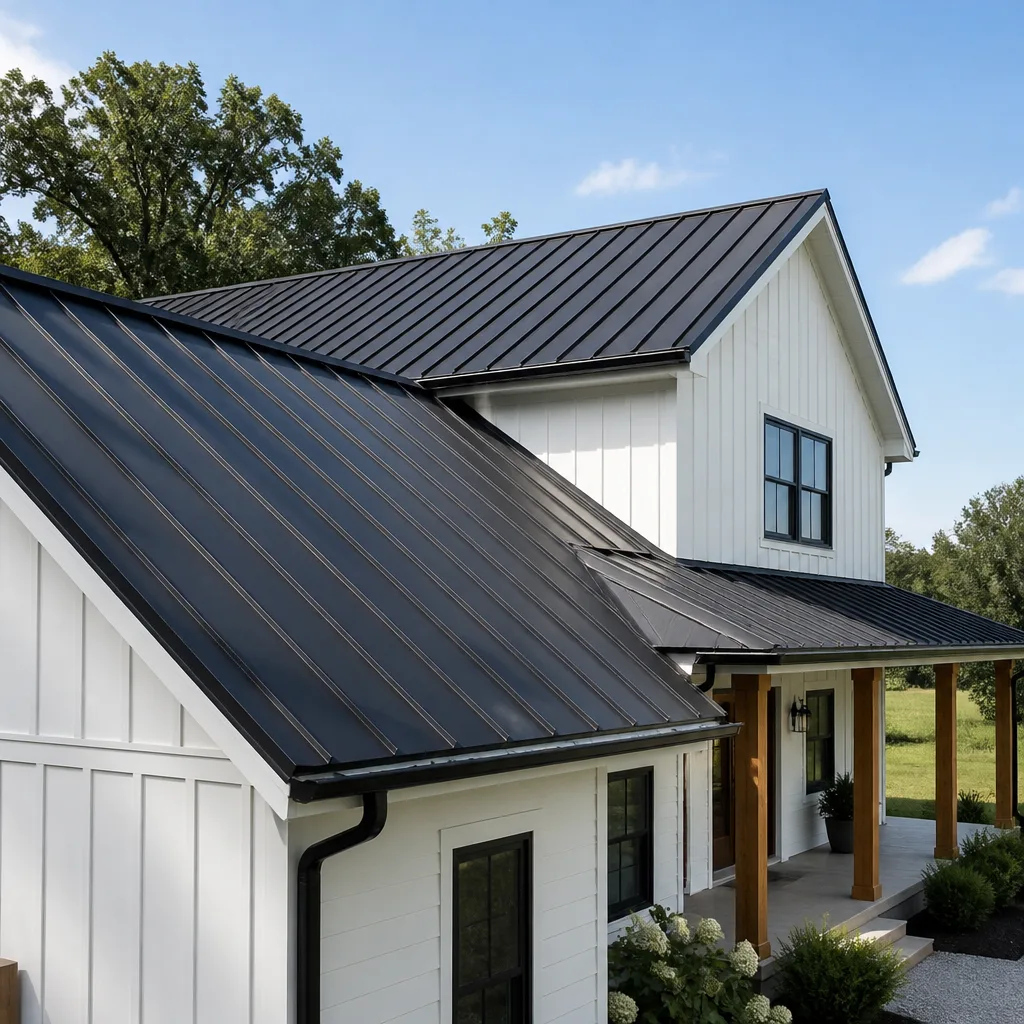 Metal roofing
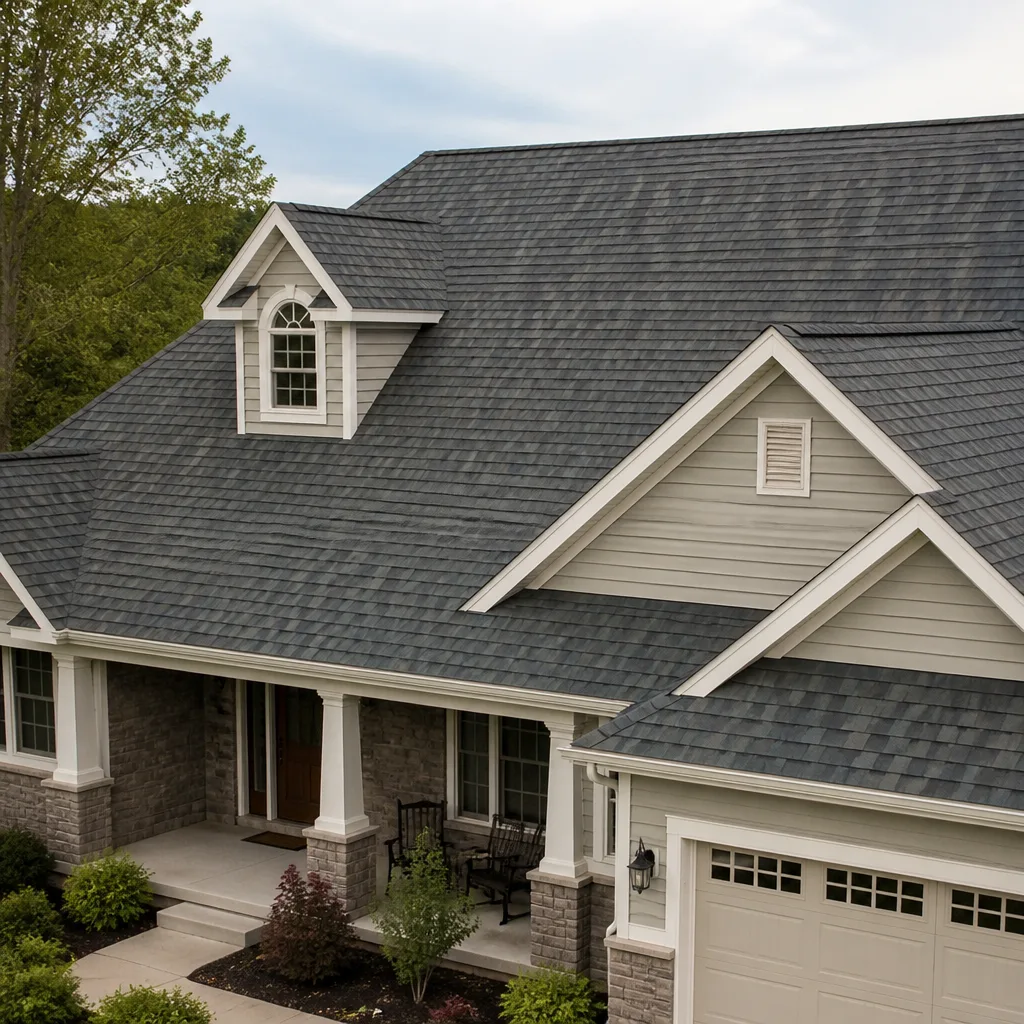 Architectural shingles
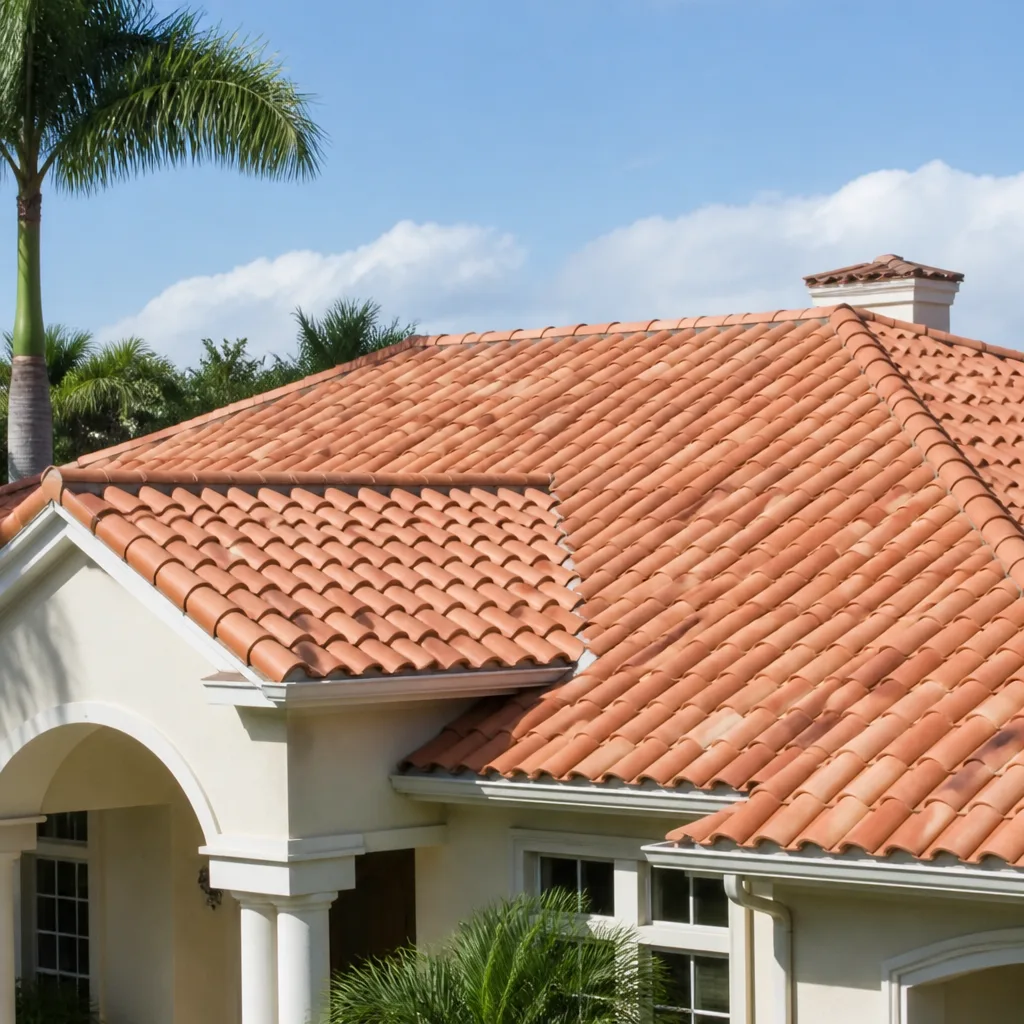 Tile roofing
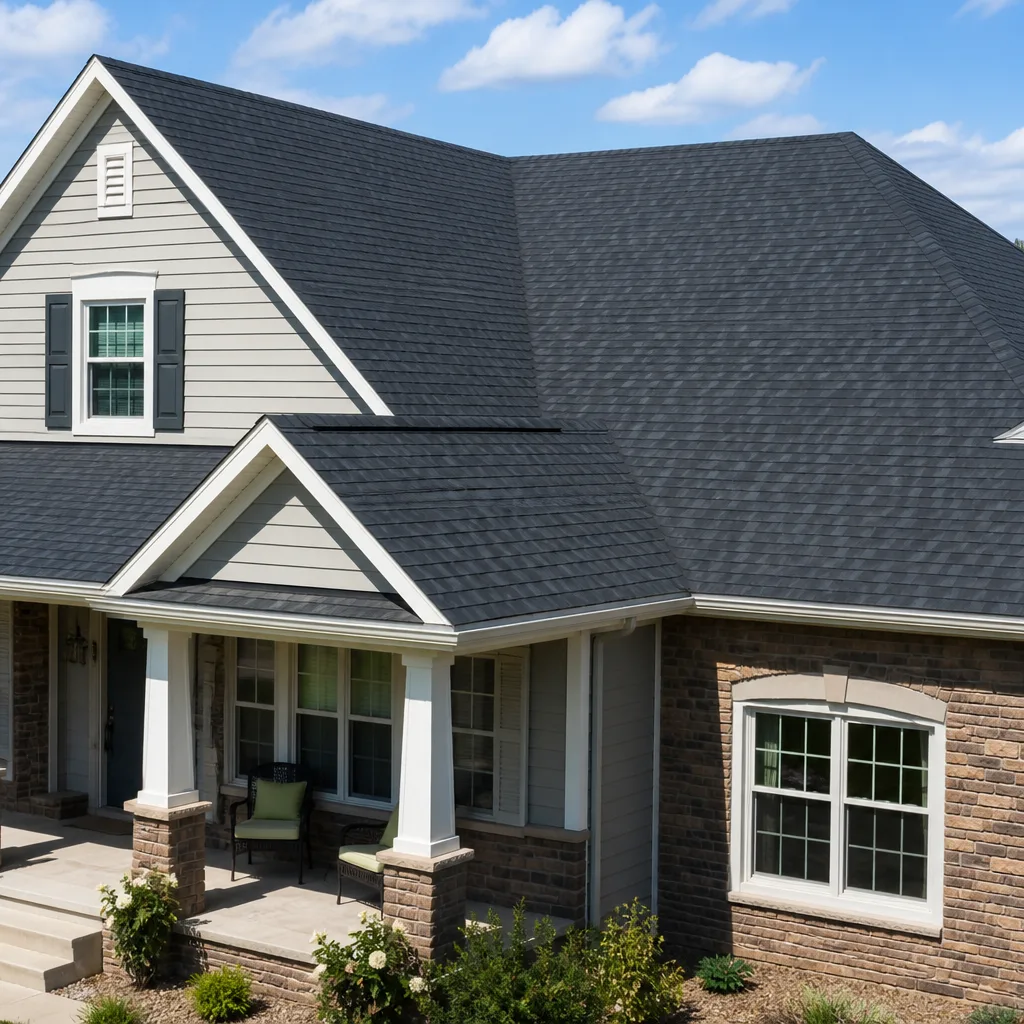 GAF
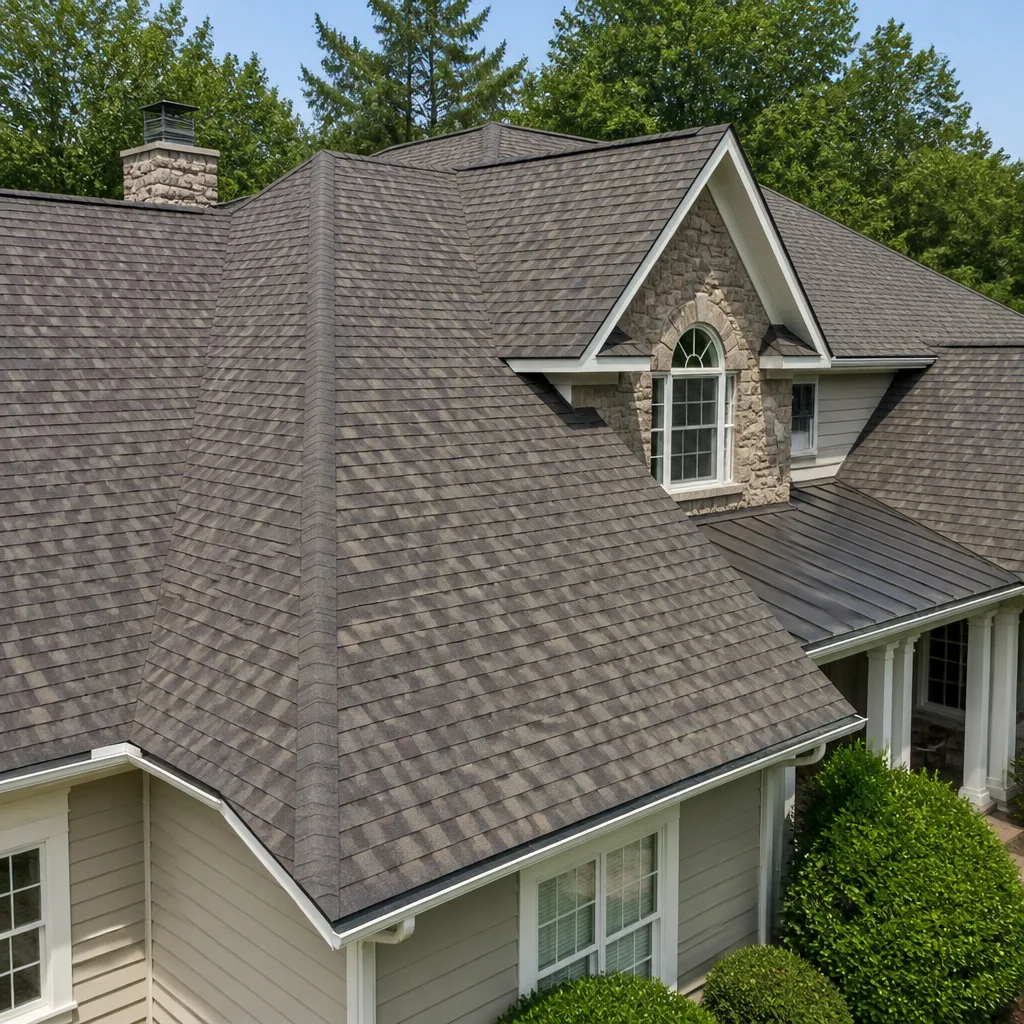 Owens Corning
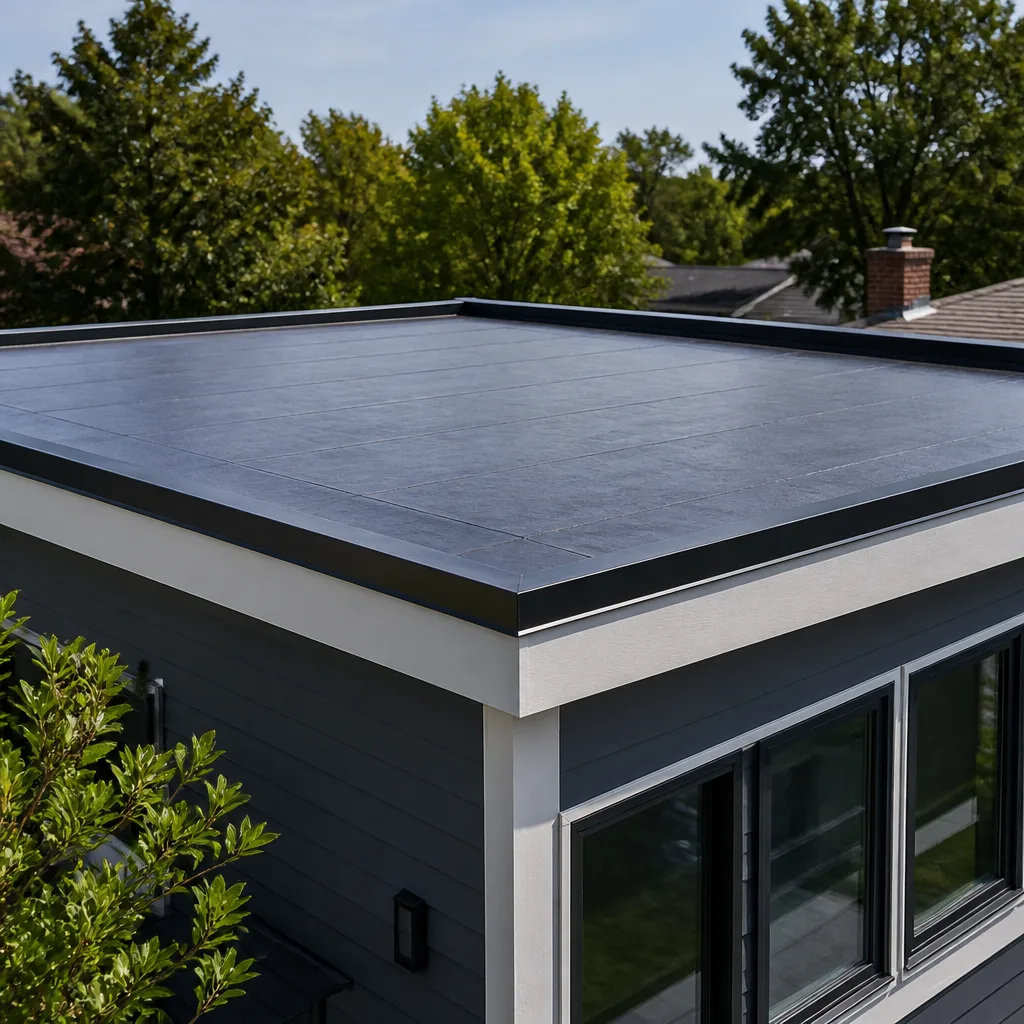 Flat & low-slope
Free roof inspection with deck photos before we talk money - GAF and Owens Corning certified installation
Roofing Permits, Codes & Inspections in CA: What You Need to Know
In LA County, a simple shingle-over-shingle re-roof that would sail through permitting in most states can trigger a mandatory cool roof upgrade, a structural deck inspection, and a fire rating compliance review, all before the first nail is driven. California doesn’t have one roofing code. It has three layered systems that apply at the same time: the state’s Title 24 energy standard, local fire hazard severity zones, and LADBS administrative rules. Miss any one of them and you’re looking at a failed inspection, a stop-work order, or a permit lien that surfaces when you try to sell. This guide breaks down which code applies to which project, what the inspection sequence actually looks like, and what owners in and around Koreatown should expect before work starts. For related reading, see our Roofing Warning Signs: A Koreatown Homeowner’s Reference Guide. We’re Koreatown Roofing, and we deal with this system every day, on every job.
Quick Answer
California roofing permits are governed by three overlapping layers: the California Building Code (Title 24), local fire hazard severity zones, and LADBS administrative rules. A permit is required for most roof replacements and structural repairs in LA County, while minor repairs under 100 square feet may be exempt. Skipping a permit on a re-roof creates a title encumbrance that surfaces at resale and can delay or kill a sale.
Styles & brands we work with
Table of Contents
- When a Permit Is Legally Required vs. Optional
- Title 24 Cool Roof Requirements: Low-Slope vs. Steep-Slope
- Fire Hazard Severity Zones and Class A Ratings Around Koreatown
- The LADBS Inspection Sequence: Plan Check to Final Sign-Off
- What Happens When Unpermitted Prior Work Is Discovered
- How Roofing Material Ratings Affect Permitting Approvals
- Re-Roof vs. Tear-Off: Permitting and Code Implications
- What Permits and Inspections Cost in Koreatown
When a Permit Is Legally Required vs. Optional
The short version: if you’re replacing the roof covering, a permit is required. If you’re repairing a small section under about 100 square feet, it usually isn’t, provided you’re not touching the structural deck or changing the roof system. LADBS draws the line at what the work involves, not just how big the job is.
Here’s what triggers a permit in LA:
- Replacing the entire roof covering, even if you’re using the same material
- Changing the roof system type, like going from composition shingles to tile
- Installing a roof on a new addition or a newly built structure
- Repairing or replacing roof sheathing, rafters, or trusses
- Altering the roof’s drainage pattern or adding crickets or saddles
What usually doesn’t trigger a permit: replacing a few damaged shingles, patching a small area of flat roofing under 100 square feet, resealing flashing around a vent, or clearing debris from a roof drain.
The catch that trips up Koreatown homeowners is the shingle-over-shingle scenario. In many states, laying new shingles over one existing layer is a simple no-permit job. In LA, it counts as a roof covering replacement. That means a permit, an inspection, and a code review. We regularly see owners who assumed they could skip this step, only to discover the problem when the next buyer’s title search flags the unpermitted work.
The title encumbrance is real. A roof replacement done without a permit becomes a disclosure issue when you sell. Sellers must disclose known unpermitted work, and buyers’ inspectors and lenders can balk. You might be forced to permit it retroactively, pay penalties, or reduce your asking price. Waiving the permit to save a few hundred dollars on the front end can cost thousands on the back end. That’s not a hypothetical, it’s something we’ve watched happen to property owners who hired the wrong contractor.
Title 24 Cool Roof Requirements: Low-Slope vs. Steep-Slope
California’s Title 24 energy code requires cool roof materials on most residential re-roofs. But the rules split sharply between low-slope and steep-slope roofs, and the distinction matters for what you can install and how much you’ll pay.
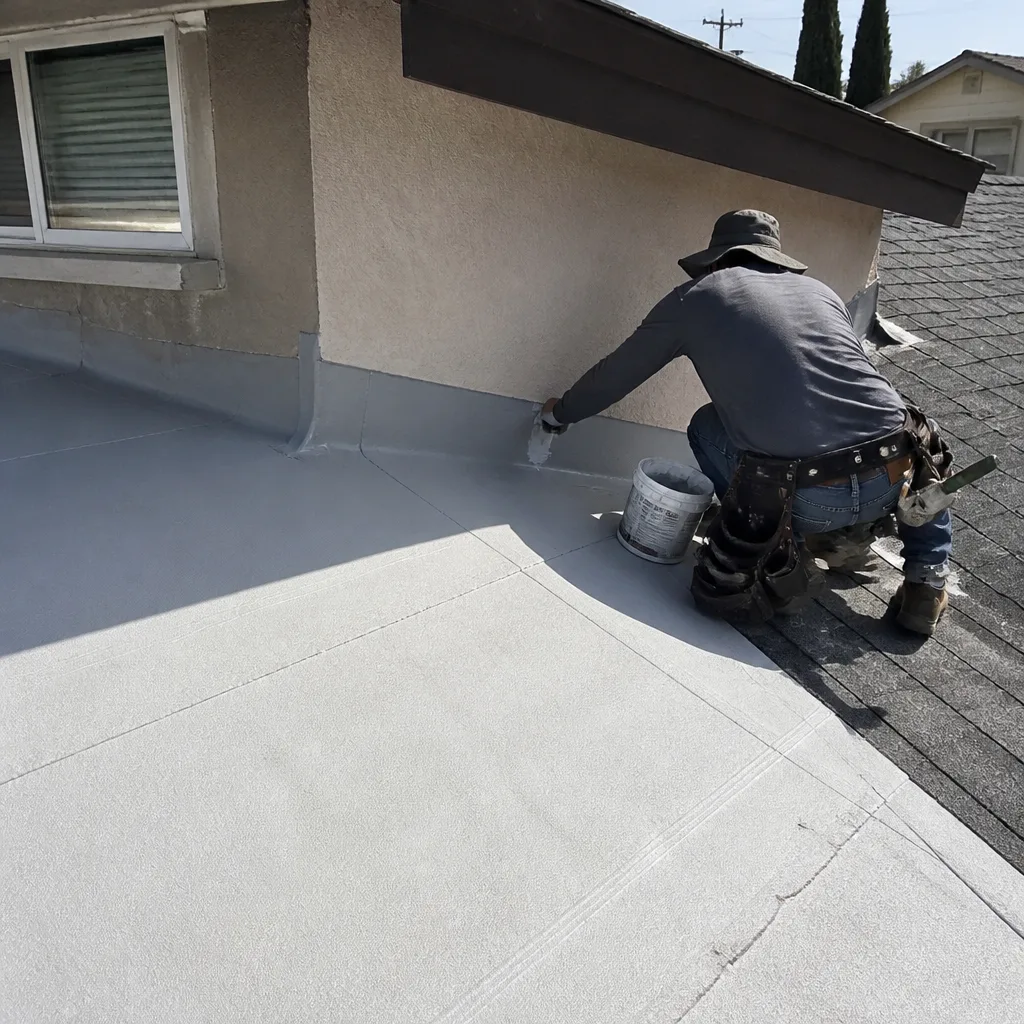
A low-slope roof, generally defined in the code as less than 2:12 pitch, must meet minimum solar reflectance and thermal emittance values. In practice, that means a white or light-colored membrane, a reflective coating, or a product tested and rated for its cool roof performance. The required aged solar reflectance for low-slope residential roofs is 0.63 or higher, and thermal emittance must be 0.75 or higher in most climate zones. Los Angeles falls into a climate zone where these values are enforced strictly.
Steep-slope roofs, meaning pitch of 2:12 or greater, have more flexibility. Cool roof requirements here can be met by selecting shingles or tiles that are rated for solar reflectance. Many manufacturers now offer cool-roof-rated asphalt shingles in colors that look traditional, not just white or pale gray. CertainTeed, GAF, and Owens Corning all produce shingle lines that meet Title 24 standards while giving homeowners the look they want. Our guide to Choosing the Right Roofing Brand: A Buyer’s Guide for Koreatown covers how to compare these options.
There’s an important nuance for older homes. If your existing roof predates the current energy code, a roof replacement triggers the requirement. You don’t get grandfathered in. The new covering must comply. That’s why the material conversation matters before the project starts, not after. Koreatown has a mix of aging Spanish-style homes with low-slope sections and postwar bungalows with steeper pitches. The right choice depends on which roof profile you actually have. See our Seasonal Roofing Care for Koreatown: Year-Round Homeowner’s Guide for maintenance tips by roof type.
Fire Hazard Severity Zones and Class A Ratings Around Koreatown
LA County’s fire hazard severity zone map isn’t just for hillside homeowners in Malibu or Topanga. Portions of Koreatown and adjacent neighborhoods sit within designated zones, and the designation affects what roofing materials you’re allowed to install.
What is a fire hazard severity zone? It’s a state or local classification that rates an area’s wildfire risk based on terrain, vegetation, wind patterns, and historical fire behavior. The categories are moderate, high, and very high. In very high severity zones, state law requires Class A roofing materials, which offer the highest level of fire resistance. In moderate and high zones, Class A is strongly recommended and often required by local amendment.
Class A roof assemblies are tested to withstand severe fire exposure without the roof deck igniting or the structure inside catching fire. The rating applies to the whole roof assembly, not just the material, meaning underlayment, deck, and covering must work together. A Class A shingle over a combustible deck without the right underlayment won’t pass.
Koreatown’s position matters. While much of central Los Angeles isn’t in the most severe zone, sections along hillside edges and canyons nearby are. Properties on the boundary can be reclassified as maps are updated, which has happened repeatedly over the past decade. A roof that met code in 2015 might not meet the 2026 map. If your home falls in or near a high severity zone, check the current map before selecting materials. Your roofer should check it too, as part of any initial assessment.
The LADBS Inspection Sequence: Plan Check to Final Sign-Off
Here’s the step-by-step process for a permitted roof replacement in LA, from application to final approval. Each stage has its own time frame, and realistic expectations prevent frustration.
- Plan review and permit application. Your contractor submits plans, product specs, and calculations. For a straightforward re-roof, this is often an over-the-counter review completed in days. For more complex projects, structural changes, or historic properties, plan check can take two to six weeks.
- Permit issuance and fee payment. Once plans are approved and fees paid, the permit is issued and work can begin. The permit must be posted on site during construction.
- Rough inspection. Once the old roof is removed and before the new covering is installed, the inspector checks the deck, underlayment, flashing, and any structural repairs. This is the step most likely to fail, usually over minor details like nailing patterns or missing drip edge.
- Final inspection. After the roof covering is installed, the inspector verifies the materials match the approved plans, fire ratings are met, and the installation is complete and correct.
- Final sign-off and permit closure. LADBS signs off, the permit is closed, and the project is officially complete. This record is what protects you at sale.
Realistically, the whole process runs two to four weeks for a straightforward replacement, including plan check. Larger jobs or unpermitted work discovered mid-project extend the timeline. In our experience, the rough inspection is where inexperienced contractors stumble. If the deck has rot that wasn’t in the original plans, the inspector will flag it and you’ll re-file, delaying everything.
What Happens When Unpermitted Prior Work Is Discovered
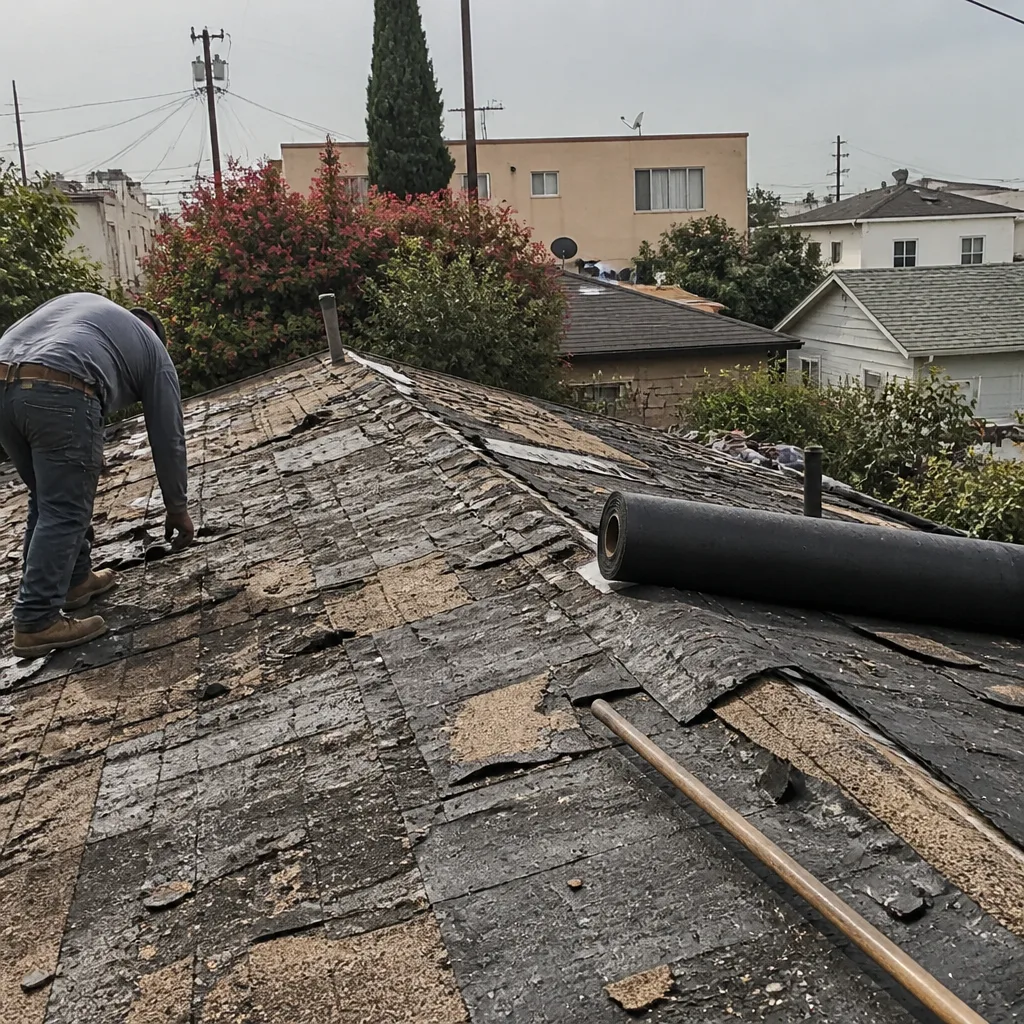
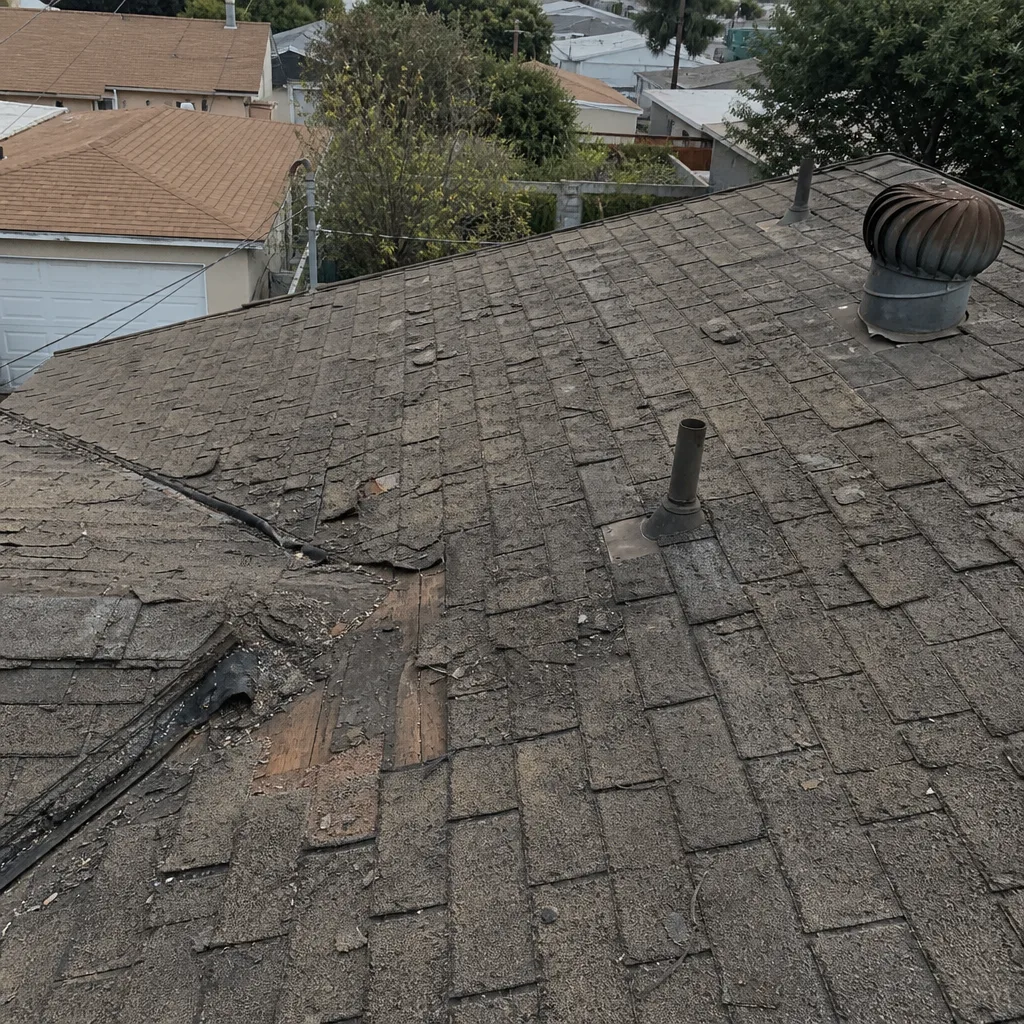
It’s a common scenario. We tear off the old roof and find that a previous owner replaced a section without a permit. Maybe the deck is punky under a patch, or the sheathing spacing doesn’t match code. What happens next depends on how the contractor handles it.
Here’s the honest version: the contractor is required to disclose known unpermitted work to the owner and the AHJ, which in LA is LADBS. You can’t pretend it isn’t there. The owner’s options are to include the discovered work in the current permit scope and fix it, or to stop the project and address the permitting separately. Option one is almost always cheaper and faster, because the work is already torn open and the inspector is already involved.
Contractors who bury the issue and roof over it are creating a liability that becomes the owner’s problem later. It will surface at the next inspection, at resale, or if the roof fails prematurely and insurance gets involved. At Koreatown Roofing, when we find unpermitted prior work, we stop, tell the owner what we found, document it with photos, and explain the options before proceeding. That’s the only responsible path, and a roofer who doesn’t do this is not working in your interest.
The cost of correcting unpermitted work is usually less than replacement cost divided by two, but every situation differs. The permit itself costs a few hundred dollars. It’s the rework, if any, that adds up.
How Roofing Material Ratings Affect Permitting Approvals
Not all roofing materials are created equal in the eyes of LADBS. The permit application must identify the specific product being installed, and the inspector will verify it during final inspection. Choosing a material that doesn’t meet code means a failed inspection and a re-filing.
Three main ratings matter for residential roofs in Los Angeles:
- Fire rating. Class A, B, or C, based on ASTM E108 testing. Class A is highest. In the city of LA, most homes require Class A.
- Cool roof rating. Solar reflectance and thermal emittance values, as covered above under Title 24.
- Wind rating. UL 2218 impact resistance or equivalent, especially relevant for tile and synthetic products in exposed areas.
Each manufacturer publishes these ratings for each product line. Classic shingle lines from GAF, CertainTeed, and Owens Corning typically offer Class A fire-rated options. Boral’s concrete tile products carry Class A ratings and strong impact resistance, which matters for Koreatown’s occasional hail and wind events. The key is that your contractor must specify the exact product, not just the product category.
This is where having access to multiple manufacturers helps. If one brand’s cool-roof-compliant color is backordered, another brand’s equivalent isn’t. We work with seven major manufacturers, including GAF, CertainTeed, and Boral, so we can recommend the product that fits your code requirements and your budget, not the one brand we happen to stock.
Re-Roof vs. Tear-Off: Permitting and Code Implications
When a roof reaches the end of its service life, the owner faces a choice: layer new shingles over the existing ones or tear everything off and start fresh. California code and LA administration make this decision more consequential than in most states.
Re-roofing, meaning installing over the existing layer, is limited by code. Most jurisdictions in California allow a maximum of two layers of roofing. If your home already has two layers, you must tear off. If it has one, a layover may be possible, but the conditioned attic, ventilation, and existing deck must be in good shape.
The trade-offs are real. A layover costs less because you skip tear-off labor and disposal. But you can’t inspect the deck, and that’s a problem, because deck defects are common in older Koreatown homes. A layover can trap moisture, hide rot, and void some manufacturer warranties. A tear-off is pricier but allows the full inspection and a clean installation.
From a permitting and inspection standpoint, a layover still requires a permit and will still trigger the Title 24 cool roof review. The inspector’s rough inspection is limited to what’s visible. We generally recommend tear-off for homes over 20 years old or any roof showing interior leaks, sagging, or visible deck issues from the attic side. The savings from a layover evaporate quickly if the deck fails six years in.
What Permits and Inspections Cost in Koreatown
Koreatown homeowners frequently ask what the permit will cost. The honest answer depends on project value and scope, because LADBS ties fees to valuation.
Typical costs for a residential re-roof permit in the Koreatown area run between $400 and $1,200. That includes plan check and inspection fees. For simple shingle replacements at lower valuation, expect the low end. For tile roofs, structural changes, or complex profiles, expect the high end. Additional costs apply if structural engineering is required or if the project involves historic review.
Beyond the direct permit fees, there are soft costs to budget for: the contractor’s time to prepare and submit plans, time on site for inspections, and the possibility of a correction cycle. Experienced roofing contractors include these in the estimate. If a contractor’s bid doesn’t itemize permitting, ask why, because you’re either being misled about the true cost or the work isn’t being permitted at all.
The total project timeline, from permit application to final sign-off, averages two to four weeks for most Koreatown homes. Weather delays can stretch this, but the permit process itself is rarely the bottleneck. The bottleneck is usually scheduling the inspections, especially if the first rough inspection fails. A contractor who has worked LADBS inspections for years knows what to prepare and what inspectors in this area look for.
Common Mistakes to Avoid
- Skipping the permit to save money. It creates a title encumbrance that surfaces at resale. Buyers’ inspectors find unpermitted work, and you eat the cost later, often with penalties.
- Assuming cool roof rules don’t apply because your roof predates Title 24. A re-roof triggers current code. There is no grandfather clause on energy compliance in California.
- Ignoring the fire hazard severity zone map. Zone boundaries have shifted in recent years around hillside edges near Koreatown. A roof that was code-compliant in 2015 might not meet the 2026 map.
- Choosing materials without checking the ratings. A great-looking shingle that lacks a Class A fire rating will fail inspection in most LA neighborhoods. Confirm the specific product’s ratings before purchase.
- Not budgeting for the rough inspection. If the deck has rot or spacing issues, the inspector will flag it. A contractor who doesn’t set this expectation is setting you up for surprise costs.
- Signing with a contractor who won’t show you the permit. A licensed contractor pulling a permit is a requirement, not a favor. If they’re vague about it, walk.
See the difference
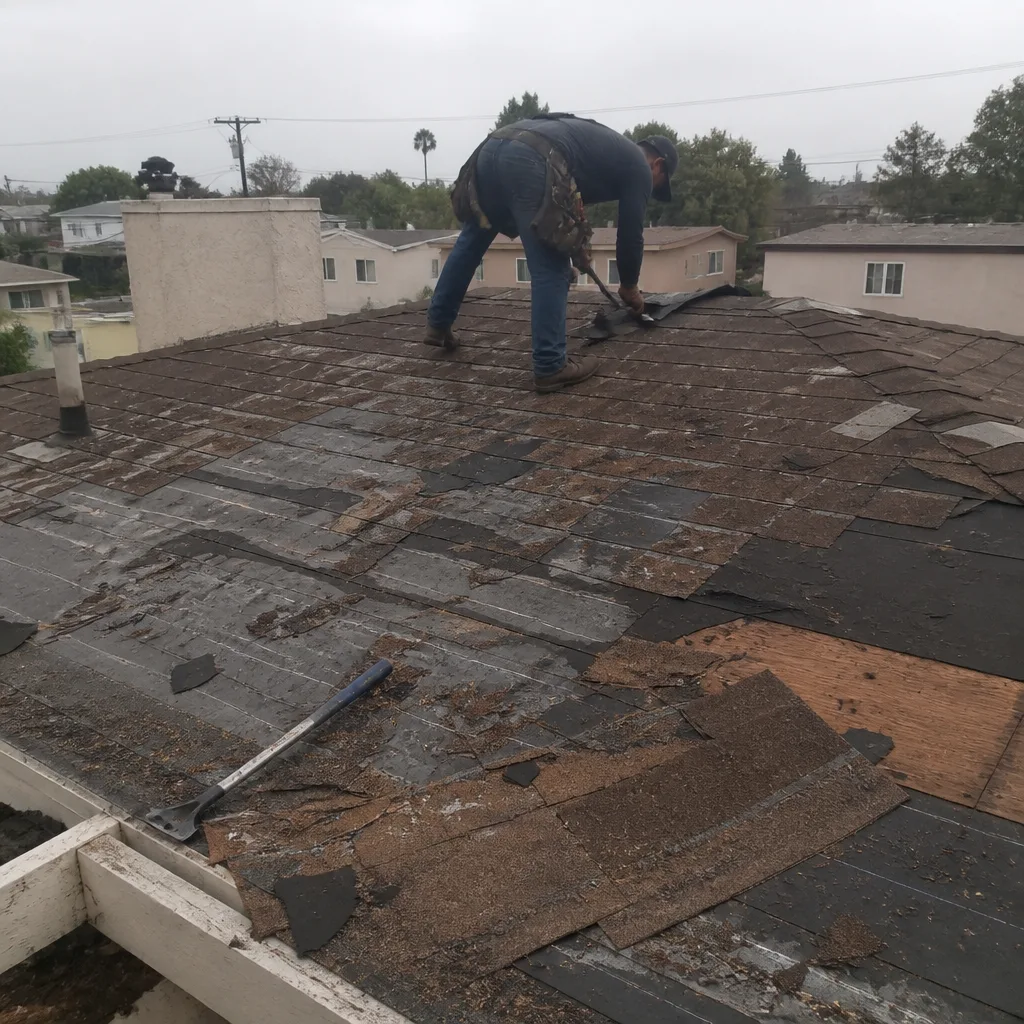 Before
 After
 Before
 After
 Before
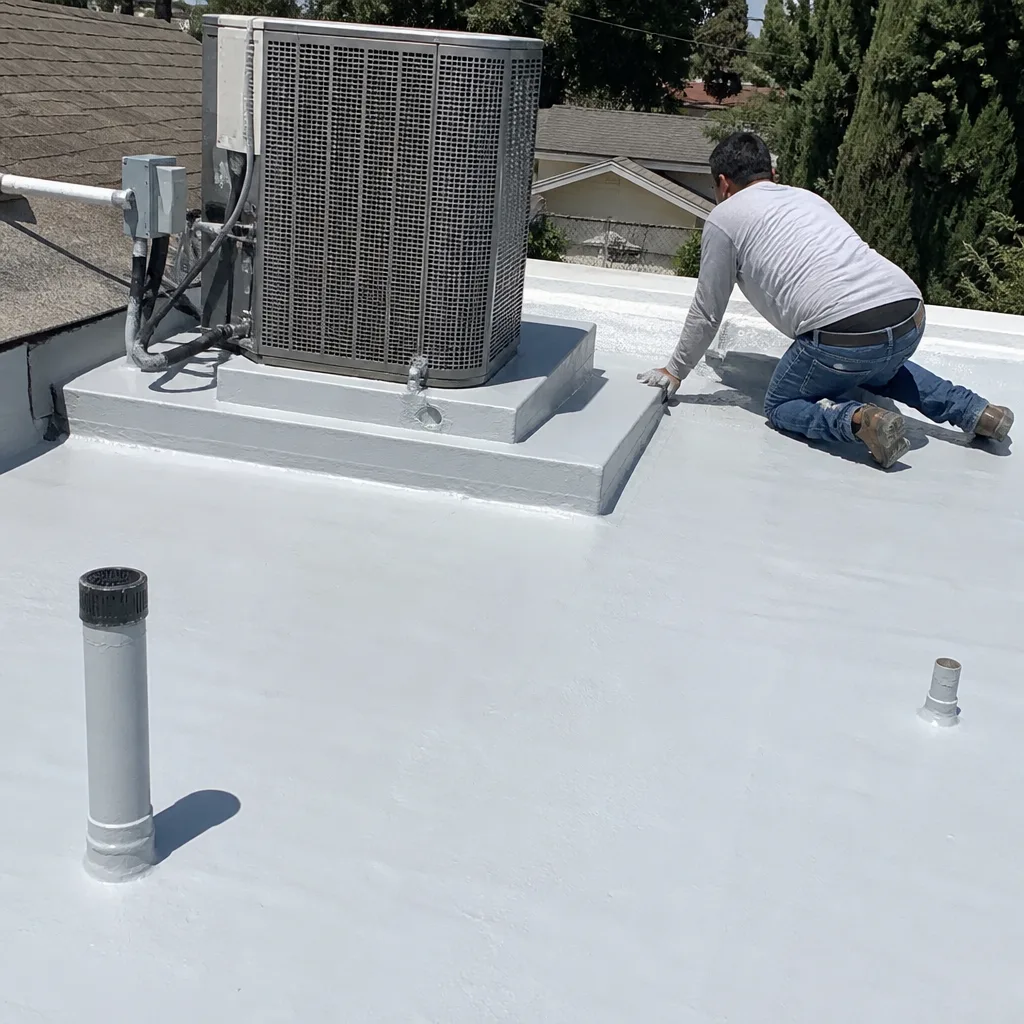 After
When to Call a Professional
Any roof replacement in LA involves navigating three code layers, a permit application, and at least two inspections. For more guides & resources on navigating this process, visit our blog. The homeowner who tries to manage this alone quickly learns how much detail is required. A roofing specialist who does this daily knows how LADBS operates, what inspectors in the Koreatown area look for, and which materials pass the first time.
Scenarios that warrant a professional call include: replacing a roof on a home built before 1980, any work involving structural repairs, living in or near a designated fire hazard severity zone, finding unpermitted work from a previous owner, or facing a resale deadline. Koreatown Roofing offers free estimates in Koreatown; call (866) 974-2271. We walk the property, check the applicable codes, and give you a written breakdown before any work starts.
Frequently Asked Questions
Yes, the state of California requires a permit for most residential roof replacements, including re-roofs over an existing layer in most jurisdictions. Minor repairs under roughly 100 square feet may be exempt, but any full roof covering replacement requires a permit through LADBS if you’re in the city of Los Angeles. Call (866) 974-2271 for a free evaluation of your specific project.
A simple roof replacement permit through LADBS typically takes two to six weeks from application to issuance, including plan check and inspection scheduling, though your contractor can often get an over-the-counter review done in under a week for straightforward jobs. Structural changes or historic review extend that timeline. The total project, including tear-off and installation, runs two to four weeks for most Koreatown homes.
A failed inspection means the contractor corrects the flagged issue and schedules a re-inspection. Common triggers include missing drip edge, incorrect nailing patterns, deck issues not covered in the original plans, or materials that don’t match the approved product. A contractor experienced with LADBS inspections in the Koreatown area will typically pass on the first attempt.
Yes, California’s Title 24 energy code makes cool roof materials mandatory on most residential re-roofs in climate zones that include Los Angeles. Low-slope roofs must meet specific solar reflectance and thermal emittance values, while steep-slope roofs can use cool-roof-rated shingles or tiles. Older homes are not grandfathered; a re-roof triggers compliance.
Portions of Koreatown and adjacent neighborhoods fall within or near designated fire hazard severity zones, and zone boundaries in LA County have shifted with updated state maps in recent years. Properties in high or very high severity zones must use Class A fire-rated roof assemblies. Check the current map or have your roofer verify your property’s designation before selecting materials.
You can often re-roof over one existing shingle layer, but two layers is the maximum allowed in most California jurisdictions. A layover still requires a permit and triggers the Title 24 cool roof review. For homes older than 20 years or any roof showing leaks, sagging, or attic-side deck damage, a tear-off is the safer recommendation.
The Bottom Line
California’s roofing code system is layered and unrelenting: Title 24 energy standards, fire hazard severity zone ratings, and LADBS administrative rules all apply simultaneously, and skipping any layer fails the inspection or creates a title problem at resale. A roof replacement in Koreatown requires a permit, a cool roof compliant material, a Class A fire rating in most cases, and a two-part inspection sequence that demands contractor competence. The right roofer knows the codes, the inspection process, and the materials that meet all three layers without overpaying. If you’re planning a roof project in Koreatown or the surrounding neighborhoods, call (866) 974-2271 for a free estimate. We’ll walk your property and explain exactly which codes apply to your roof.
Written by the team at Koreatown Roofing, serving Koreatown since 2014.