
Last updated October 30, 2026
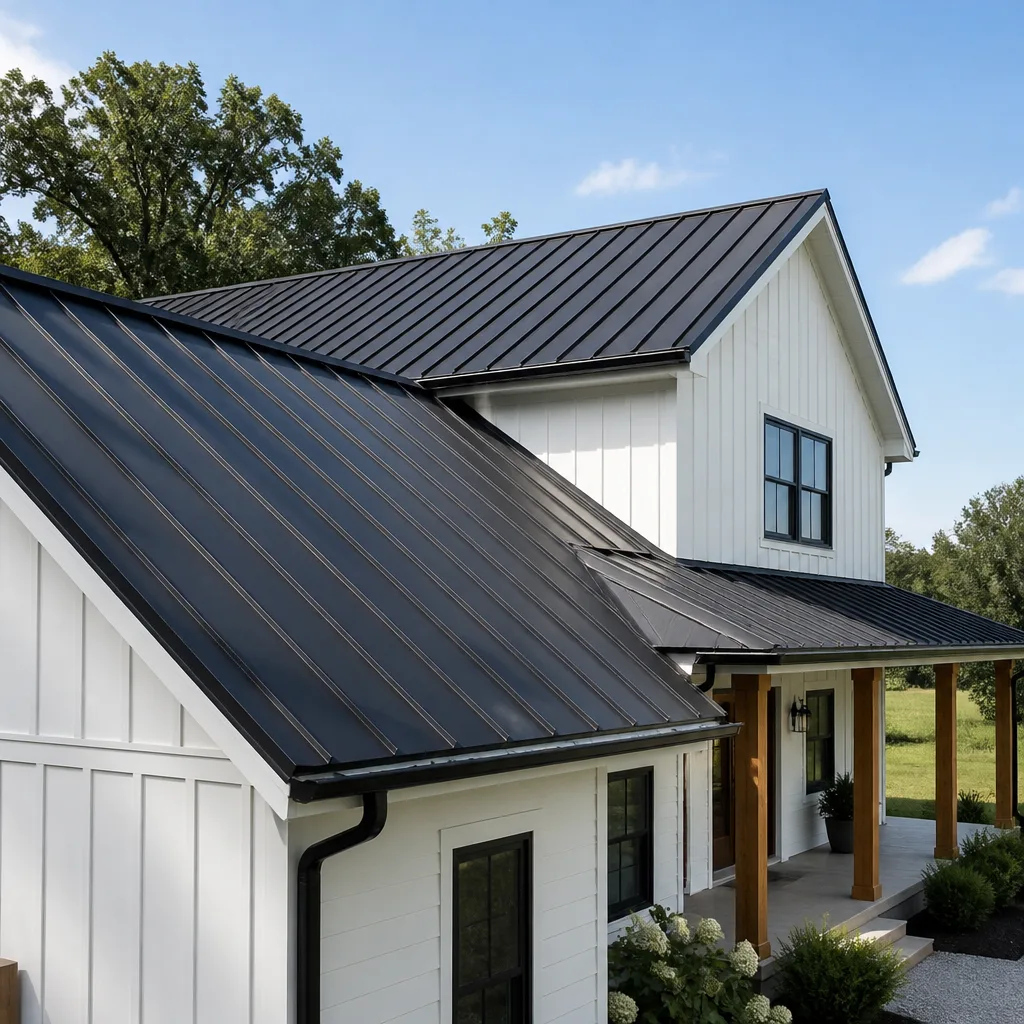 Metal roofing
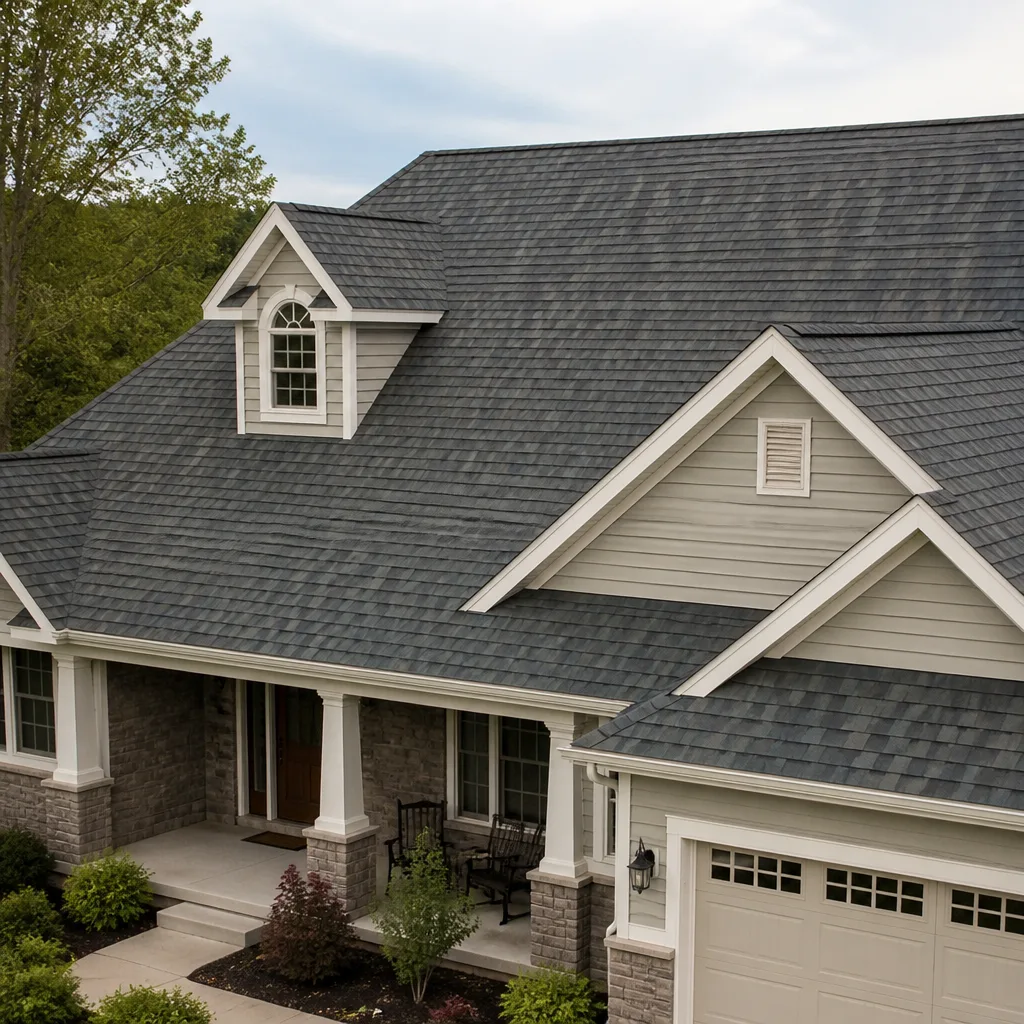 Architectural shingles
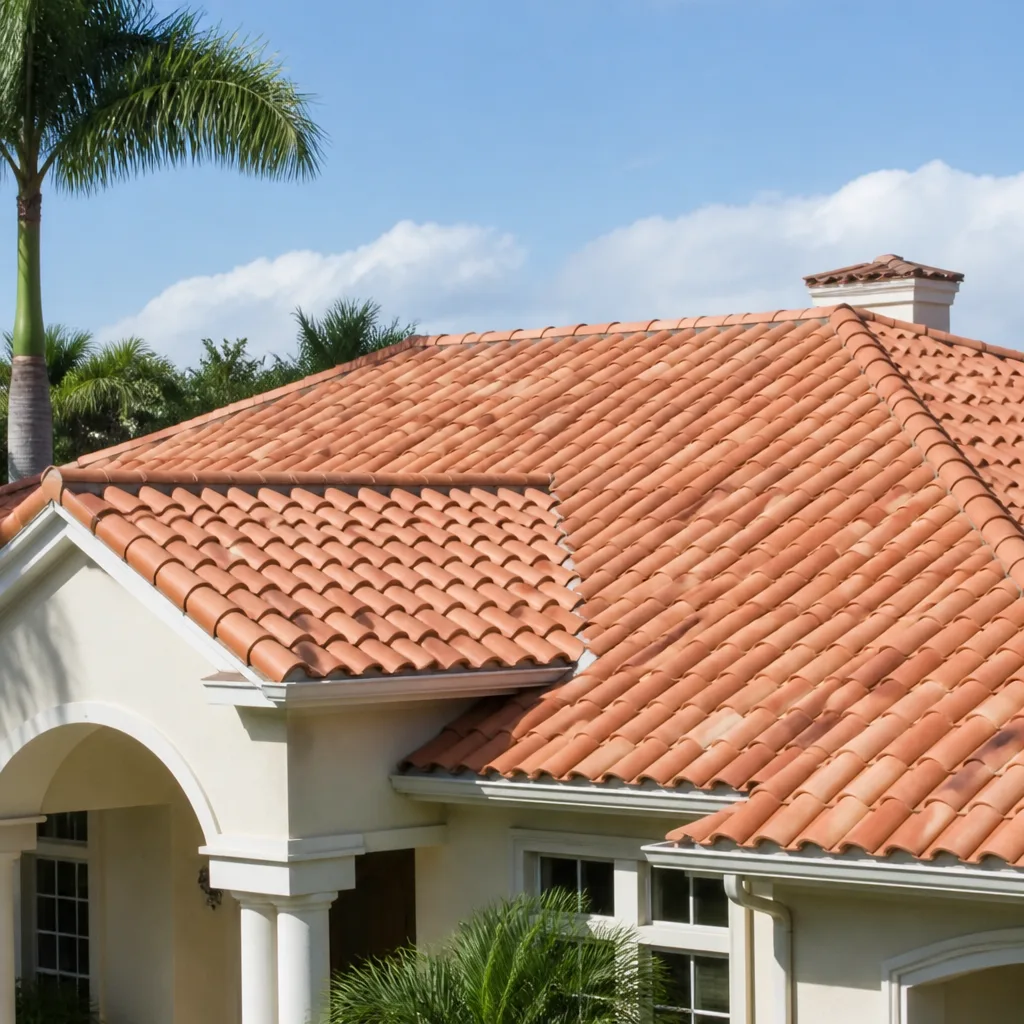 Tile roofing
 GAF
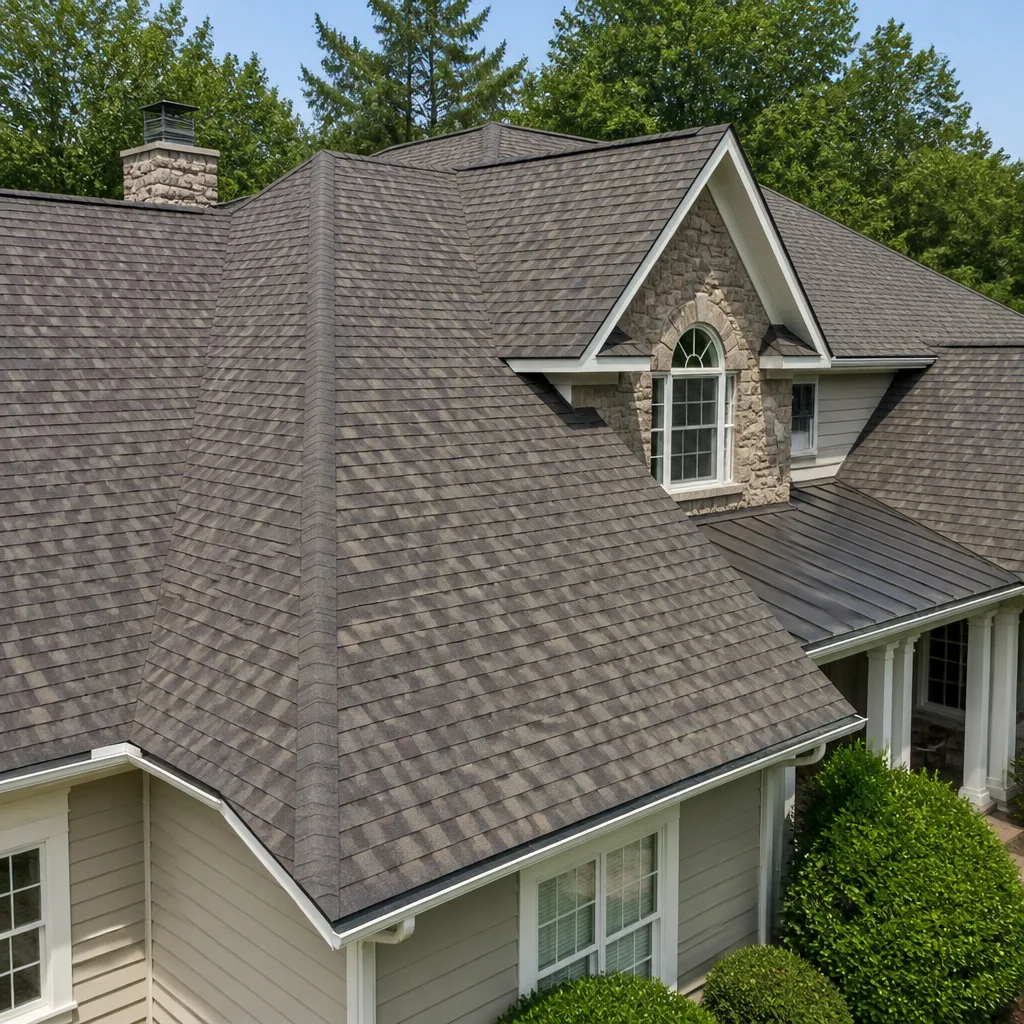 Owens Corning
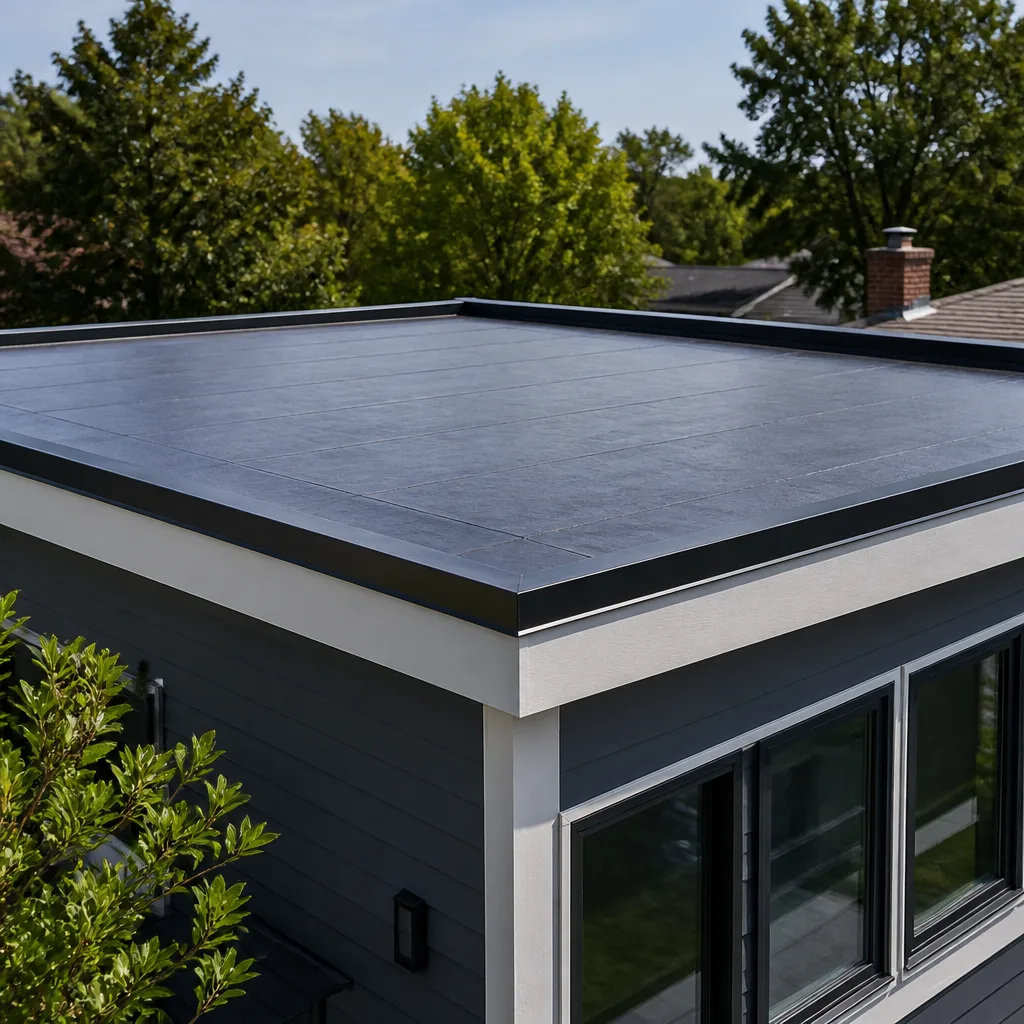 Flat & low-slope
Free roof inspection with deck photos before we talk money - GAF and Owens Corning certified installation
Seasonal Roofing Care for Koreatown: Year-Round Homeowner’s Guide
Most roofing guides tell Koreatown homeowners to prep for winter. That’s nearly useless advice here. What actually matters is what you do before October’s first Santa Ana wind event, not before December. Between the thermal shock of our day-night temperature swings, the abrasive Santa Anas, brief but ferocious rain bursts, and the sneaky marine layer humidity, Koreatown roofs face four distinct stress periods each year, and each one damages roofing materials in a different way. In our experience inspecting roofs across Koreatown, the homeowners who schedule care around these four windows spend dramatically less on repairs over a 10-year span than those who follow generic seasonal checklists written for other climates.
Styles & brands we work with
Quick Answer
Seasonal roof care in Koreatown means timing maintenance around four stress periods, not four calendar seasons: pre-Santa Ana prep in September and October, post-first-rain inspection in November and December, marine layer moisture monitoring in May and June, and peak UV and heat management from June through August. The number one roof killer in Koreatown isn’t rain; it’s thermal shock from the 30 to 40 degree day-night temperature swings that crack flat roof membranes and loosen flashing over time. If you only do one thing each year, schedule a professional Roof Inspection in Koreatown in September, before the first Santa Ana arrives.
Table of Contents
- The Four Koreatown Roofing Stress Periods
- Thermal Shock: The Roof Killer Nobody Talks About
- Pre-Santa Ana Prep (September – October)
- Post-First-Rain Inspection (November – December)
- Marine Layer Moisture Monitoring (May – June)
- Peak UV and Heat Management (June – August)
- Why the Dry Season Is the Best Time for Repairs
- Common Mistakes to Avoid
- When to Call a Professional
- Frequently Asked Questions
The Four Koreatown Roofing Stress Periods
Koreatown doesn’t experience four seasons in the New England sense. What we get instead is a repeating cycle of environmental stressors that hit roofs at predictable times each year. Property owners who understand this cycle can plan maintenance ahead of it rather than reacting to damage after it happens. Here’s how the year actually breaks down for a Koreatown roof:
- Pre-Santa Ana prep (September – October): The Santa Ana season typically kicks off in October, bringing sustained winds of 40-60 mph with gusts that can reach 70+ through the mountain passes. These winds don’t just blow leaves around; they lift flashing edges, shake loose fasteners, and test every roof penetration seal on your property. The prep window is September and early October, before the first event.
- Post-first-rain inspection (November – December): Koreatown’s rainy season is short but intense. The first significant rain event of the season usually arrives in November, and it exposes every crack, gap, and failed seal that developed during the dry months. Inspecting after this first rain gives you a damage report while the weather is still mild enough for repairs.
- Marine layer moisture monitoring (May – June): May Gray and June Gloom bring persistent low cloud cover and elevated humidity to Koreatown. This moisture gets trapped under roofing material laps, accelerates corrosion on metal flashing, and creates conditions where small leaks can develop slowly without ever seeing an obvious rain event.
- Peak UV and heat management (June – August): Summer is when Koreatown roofs take their biggest beating from the sun. Roof surface temperatures on a 90-degree August day can hit 150 to 170 degrees on dark asphalt shingles. Add to that the daily thermal shock cycle, and you have a slow-motion assault on every material on the roof.
Each of these periods demands a different kind of attention, and the sections below map specific care actions to each one. This is the same framework we walk through with every homeowner who contacts Koreatown Roofing for a seasonal checkup, because it’s built from what we actually see on roofs in this neighborhood, not what a generic maintenance calendar says should happen.
Thermal Shock: The Roof Killer Nobody Talks About
Ask any roofing contractor who works in Koreatown what causes the most flat roof failures, and they won’t say rain. They’ll say thermal shock. Los Angeles has one of the widest day-night temperature swings of any urban area in the country. A typical summer day might reach 90 degrees by mid-afternoon and drop to 58 degrees by 3 a.m. That’s a 30-plus degree swing in under 12 hours, every single day, for months on end.
Roofing materials expand when they heat up and contract when they cool. On a flat roof membrane, this expansion and contraction happens at a different rate than the substrate beneath it. Over years, the repeated pulling and pushing causes the membrane to develop hairline cracks, especially at seams, corners, and penetration points. Once those cracks open up, the next rain event is all it takes to create a leak. The owner often blames the rain. The real culprit was thermal shock, quietly working on the membrane for months or years beforehand.
This is why we recommend Koreatown property owners think about roof maintenance differently than homeowners in wetter climates. In Seattle or Portland, you watch for rain damage. In Koreatown, you watch for crack development. A roof that survives a decade of Pacific Northwest drizzle can fail in five years of Los Angeles thermal cycling if the membrane isn’t suited to the climate. And not all membranes handle thermal shock equally well. Some of the products we install from manufacturers like GAF and CertainTeed have specific formulations designed for high UV and high thermal movement environments, which is why material selection matters more in Koreatown than it does almost anywhere else in California.
What thermal shock damage looks like
- Hairline cracks in flat roof membrane seams, especially near parapet walls and corners
- Alligatoring on older asphalt-based roof surfaces, where the surface takes on a cracked, scaly texture
- Lifted or curled flashing edges where metal and membrane meet
- Small fissures around roof penetrations like vents, pipes, and HVAC curbs
- Granule loss on asphalt shingles that accelerates once the protective mineral layer thins
If you notice any of these signs on your Koreatown roof, they won’t fix themselves. Thermal shock damage is progressive and cumulative. The earlier you catch it, the less invasive and less expensive the fix. A hairline crack sealed in year one costs a fraction of what a full membrane replacement costs in year five.
Pre-Santa Ana Prep (September – October)
Santa Ana winds are the single most damaging weather event for Koreatown roofs on a regular basis. These winds originate inland and sweep down through the mountain passes, picking up speed and dropping humidity as they go. By the time they reach Los Angeles, they’re often sustained at 40-60 mph with relative humidity below 10%. For a roof, this combination creates two problems: physical uplift forces that can peel back flashing and loosen fasteners, and extreme dryness that makes roofing materials more brittle and prone to cracking.
The good news is that Santa Ana season is predictable. It peaks from October through December, with secondary bursts possible in the spring. The prep window is September and early October, when weather is still calm and roofing contractors have good availability. Here’s the pre-Santa Ana checklist we recommend for every Koreatown property owner:
- Clear all drains and gutters: Santa Anas are leaf-moving machines. Any debris sitting in your roof drains, scuppers, or gutters will get pushed further into the drainage system and create blockages. A blocked drain during a Santa Ana might not cause immediate damage, but when the first rain follows weeks or months later, that same blockage becomes a ponding problem.
- Inspect and secure flashing: Walk the roof perimeter (or have a professional do it) and check every piece of flashing for lifted edges, missing fasteners, or separated sealant. Santa Anas love to catch a lifted flashing edge and peel it back like a can opener. A 2-inch lift becomes a 2-foot peel in sustained wind.
- Check roof penetration seals: Satellite dishes, HVAC curb penetrations, plumbing vents, and exhaust fans all require sealant or boot seals where they pass through the roofing material. Vibration from Santa Ana winds can work these seals loose even if they’re only slightly degraded. This is one of the most common pre-existing conditions we find when we inspect Koreatown roofs after wind events.
- Trim overhanging branches: Any tree branch within 6 feet of the roof surface is a potential wind-driven impact hazard. During a Santa Ana, branches whip around unpredictably and can puncture membrane surfaces or break shingles. Keep overhanging growth cut back before October.
- Remove loose objects from the roof: Old satellite dishes, abandoned antenna mounts, stray tools, or leftover construction debris become projectiles in 60 mph wind. If it’s not bolted down, it doesn’t belong on the roof.
This prep work doesn’t have to be expensive. In many cases, it’s a matter of an inspection plus minor sealant work and debris removal. Compared to the cost of repairing wind damage after the fact, which often includes water intrusion repairs, the prep is a bargain. Koreatown Roofing offers Roof Repair in Koreatown services that cover all of these preventive tasks, and scheduling in September means you’re ahead of the rush that hits every contractor after the first big wind event.
Post-First-Rain Inspection (November – December)
Koreatown receives most of its annual rainfall in a handful of events between November and March. The first significant rain of the season is the most revealing because it’s the first time your roof has been tested in six months or more. Whatever cracks, gaps, and failed seals developed during the dry season will make themselves known during that first rain. The question is whether you catch the signs early or wait until a bigger storm turns a small leak into ceiling damage, drywall replacement, and mold remediation.
The post-first-rain inspection is straightforward. Within 48 hours after the first rain that produces actual runoff (not just a sprinkle), check these areas:
- Interior ceilings: Look for water stains, discoloration, or fresh bubbling in paint. Check closets and less-trafficked rooms too; leaks don’t always show up in the living room first.
- Attic or crawlspace below the roof: If accessible, check the underside of the roof deck for wet spots, drip marks, or areas where the wood looks darker than surrounding material. Use a flashlight and be thorough.
- Roof surface: After the rain has stopped and the surface is dry, look for ponding water on flat sections, which indicates drainage issues. Also check for lifted shingles, membrane bubbles, or new cracks at seams.
- Gutters and downspouts: Excessive granule accumulation in gutters after rain signals shingle breakdown. Mineral granules washing off in volume means the shingles are losing their UV protection layer and are entering the end of their service life.
- Parapet walls and roof edges: These transition points are where thermal shock cracks most often appear, and rainwater finds them quickly. Look for new staining, efflorescence (white mineral deposits), or damp spots that don’t dry out.
If you find signs of water intrusion, don’t wait for the next storm to address them. Small leaks in dry weather become emergency leaks in consecutive rain events, and the damage multiplies with every exposure. The mold risk in Koreatown’s relatively warm, humid winters is real, especially once water gets into enclosed wall cavities or ceiling spaces. A Roof Repair in Koreatown call in November is far cheaper than a water damage restoration call in January.
Marine Layer Moisture Monitoring (May – June)
May and June in Koreatown bring an underappreciated roofing challenge: the marine layer. Those overcast mornings that burn off by noon might not produce rain, but they create persistent humidity that lingers under roofing material laps, around flashing, and inside small gaps long after the sun comes out. We call this the slow leak season, because moisture intrusion during marine layer months happens gradually and often goes unnoticed until it accumulates into visible damage.
The mechanism is simple. During a marine layer morning, relative humidity at roof level can sit at 80-100% for hours. Condensation forms on cool roof surfaces, especially metal flashing and concrete tile. This condensation gets wicked into any gap or crack, where it sits. The afternoon sun then heats the surface and turns that trapped moisture into vapor, which expands and pushes against the surrounding material. Repeat this cycle dozens of times over May and June, and small separations in roofing laps grow wider, opening the door for actual rain intrusion later in the year.
What should Koreatown property owners look for after the marine layer season ends?
- Bubbling or lifting at material laps: On modified bitumen and single-ply membranes, trapped moisture creates visible bubbles or soft spots where the material has lifted from the substrate. Run your hand along seam areas (if safely accessible) to feel for spongy or hollow sections.
- Rust staining around metal fastener heads: Persistent humidity accelerates oxidation on exposed fasteners. If you see rust trails running down from a fastener, moisture has been sitting on that metal repeatedly.
- White efflorescence on masonry or tile: Mineral deposits left behind as moisture evaporates are a classic indicator that water has been moving through or around roofing materials nearby.
- Mold spotting on north-facing roof surfaces: The north side of a roof rarely gets direct sunlight in Koreatown, and marine layer moisture lingers longest there. Early-stage mold or mildew growth on shingles or tiles in those shaded areas is a warning sign that humidity is being retained rather than drying out.
For most Koreatown roofs, marine layer moisture is a slow-accumulation problem rather than an acute emergency. The response is measured: schedule an inspection if you see any of the signs above, and have minor separations resealed before the hot, dry months that follow. The dry heat of July and August will bake any trapped moisture and accelerate whatever separation has started, so catching it in June is a timing advantage.
Peak UV and Heat Management (June – August)
Summer in Koreatown is roof damage season, even though it never rains. The sun’s UV radiation bombards roof surfaces for 13-plus hours a day in June and July, and surface temperatures on dark roofing materials regularly exceed 150 degrees. This is when thermal shock is at its most aggressive, and it’s also when roofing materials degrade fastest from simple photochemical breakdown.
UV radiation attacks roofing materials at the molecular level. On asphalt shingles, UV breaks down the hydrocarbon bonds in the asphalt, causing the shingles to become brittle and lose granule adhesion. On single-ply membranes, UV degrades the plasticizers that keep the material flexible. On modified bitumen, the top layer of surfacing material eventually chalks and washes away, exposing the underlying bitumen to direct UV which accelerates the cycle further.
The heat management side is equally important. Koreatown’s flat roofs absorb enormous amounts of solar energy during summer days. That heat has to go somewhere. Some radiates back into the atmosphere, but much of it conducts through the roofing assembly into the building below. This raises cooling costs and, more importantly for roof longevity, speeds up the thermal shock cycle by pushing surface temperatures higher during the day while nighttime lows remain the same. The wider the swing, the faster cracking develops.
What can a Koreatown homeowner actually do about summer roof damage?
- Schedule your annual inspection before peak heat, not during it: May and early June are ideal. By late June, roof surfaces are too hot for a thorough hands-on inspection, and contractors are busier with emergency repairs.
- Pay attention to reflectivity when choosing roofing materials: If you’re considering a Roof Replacement in Koreatown, ask about cool roof options. Products from manufacturers like Owens Corning and CertainTeed include reflective coatings and granule formulations that reduce surface temperatures by 20-40 degrees compared to standard dark materials. Lower surface temperature means slower thermal shock degradation and meaningful cooling bill reductions.
- Keep roof surfaces clear: Debris, fallen leaves, and even dirt accumulation hold heat against the roof surface and create microenvironments where UV photodegradation accelerates. A clean roof surface degrades more slowly than a dirty one.
- Monitor for new cracks monthly during summer: Walk the accessible portions of your roof (safely) or have a professional check flat roof seams once a month from June through August. Thermal shock cracks typically appear during this window, and catching them while they’re hairline means a simple sealant repair instead of a membrane section replacement.
We tell Koreatown customers that summer isn’t a maintenance vacation; it’s the season when preventive maintenance pays off most. A roof that goes into fall with intact seams and healthy sealant will survive the Santa Anas and first rains without drama. A roof that goes into fall already cracked will leak.
Why the Dry Season Is the Best Time for Repairs
Most homeowners think about roof repairs when there’s a problem, which usually means after a rain event. But in Koreatown, the dry season, roughly March through September, is actually the optimal window for non-emergency roof work. Here’s why we recommend scheduling repairs and replacements during the dry months, even when nothing is actively leaking:
Material availability is better
Roofing material manufacturers produce year-round, but roofing demand in Southern California spikes dramatically in October and November when Santa Ana and rain concerns peak. If you need a specific product from GAF, Boral, or any other brand in the middle of peak season, you might wait weeks for availability. During the dry season, lead times are shorter and material selection is wider. This matters because we work with seven manufacturers precisely so Koreatown homeowners have genuine choice, but even the broadest catalog is limited by supply chain realities during peak demand. If you want options rather than whatever is in stock, schedule during the dry season.
Contractor scheduling is more flexible
Roofing contractors in Los Angeles book out weeks in advance during October and November. If your roof needs repair after the first Santa Ana, you’re competing with every other property owner in Koreatown for the same crews. In March or April, scheduling is flexible, crews aren’t rushed, and the work gets more careful attention. This isn’t a criticism of the industry; it’s a reality of seasonal demand. The homeowners who plan ahead get better work and better pricing.
Cure times are more favorable
Roofing adhesives, sealants, and some membrane materials need specific temperature and humidity conditions to cure properly. In the middle of summer, extreme heat can cure materials too quickly, which compromises long-term performance. In the winter, cool temperatures and moisture can slow curing and leave the roof vulnerable to the next rain before it’s fully set. Spring and early fall in Koreatown offer the sweet spot: warm enough for proper curing, cool enough to avoid heat-related complications. A repair done in April has fully cured long before the October Santa Anas arrive.
You’re ahead of the damage curve
The most expensive roof repairs are the ones done under pressure. When a roof is actively leaking, every day of delay adds water damage, mold risk, and interior repair costs. A homeowner who schedules preventive repair in April pays roofing labor rates only. A homeowner who waits for the leak pays roofing labor rates plus drywall repair plus painting plus possibly mold remediation. The dry season is when you fix things before they become emergencies, and that’s the cheapest way to maintain a Koreatown roof.
Koreatown Roofing offers Roof Inspection in Koreatown services year-round, but we’re honest with customers about timing: if your roof has known issues and it’s April, don’t wait for the October rush. Get it done now while the weather cooperates and the calendar is open.
Common Mistakes to Avoid
- Following a generic four-season maintenance calendar: Koreatown’s roof damage patterns don’t align with spring and fall checklists written for other climates. If you’re checking your roof in March because a national guide says “spring maintenance,” you’re missing the real prep window in September.
- Ignoring the roof during dry months because it doesn’t rain: Thermal shock and UV damage happen on sunny days, not rainy ones. A roof that looks fine in July might be accumulating cracks that will leak in November. Dry season neglect is the most common pattern we see in Koreatown roof failures.
- Waiting for a visible leak before scheduling maintenance: By the time water is dripping through your ceiling, the roof has been compromised for weeks or months. The leak is the symptom, not the cause. Annual inspections catch problems before they reach the interior.
- Using a generalist contractor for roof specifics: A general contractor who does kitchens, bathrooms, and roofing can’t match the material expertise of a roofing-only specialist. Koreatown Roofing works exclusively on roofs, which means every job benefits from focus that generalists can’t replicate. When a roof issue involves specific material choices from manufacturers like CertainTeed or Owens Corning, that specialization matters.
- Applying sealant over failing material as a permanent fix: Sealant is a temporary solution when the underlying material is degraded. Recoating a cracked membrane without addressing the thermal shock cause gives you a few months at best. The real fix is material replacement at the affected area, which is why Roof Repair in Koreatown evaluations always look deeper than the surface symptom.
- Waiting until after the first Santa Ana to check flashing and penetrations: Once the wind event arrives, any weak point becomes a damage point. The inspection needs to happen before the winds, not after. September is the month; October is too late.
- Choosing roofing materials based on price alone without considering local climate: A material that works great in Phoenix might not handle Koreatown’s moisture cycles well. And a product designed for Pacific Northwest rain might lack the UV resistance needed here. Working with seven manufacturers gives us the perspective to match products to Koreatown conditions rather than defaulting to whatever is cheapest or most familiar. Your roof, your material choice, but that choice should be informed by climate realities.
When to Call a Professional
Some roof maintenance tasks are DIY-appropriate for a careful homeowner. Cleaning gutters, removing debris, and visually inspecting from the ground or a ladder are all reasonable. But certain situations call for professional attention, and knowing the difference saves money in the long run. Call Koreatown Roofing home if you notice any of these: water stains on interior ceilings after rain, visible cracks or bubbling on flat roof membrane seams, lifted flashing that won’t stay seated, granule accumulation in gutters that suggests shingle breakdown, or any roof penetration that appears to be leaking around its seal. Also call if your roof is more than 15 years old and hasn’t been professionally inspected in the last two years. Koreatown Roofing offers free estimates in Koreatown, which means a professional assessment costs you nothing and gives you a clear picture of your roof’s actual condition. Call (866) 974-2271 to schedule a free estimate.
Frequently Asked Questions
We recommend a professional roof inspection once per year for Koreatown properties, ideally scheduled in September before Santa Ana season starts. Annual inspections catch thermal shock cracks, failed seals, and drainage issues before they become leaks. For older roofs (15+ years), twice-yearly inspections in fall and spring provide better coverage against the year-round stressors our climate creates. Call (866) 974-2271 to schedule yours, and the estimate is free.
Sun, specifically the thermal shock cycle caused by our wide day-night temperature swings, causes the most cumulative roof damage in Koreatown. Rain events are dramatic and Santa Anas are destructive, but the slow cracking of roofing materials from daily expansion and contraction happens 250+ days per year, every year. The rain and wind simply finish what thermal shock started.
Yes, material selection matters more in Koreatown than in most climates. Flat roof membranes need to handle significant thermal movement, and asphalt shingles need strong UV resistance. Working with seven manufacturers including GAF, CertainTeed, and Owens Corning gives Koreatown Roofing the ability to match specific materials to these local conditions rather than defaulting to one brand. Your roof, your material choice, and we’ll help you choose based on what actually performs here.
Roof inspection costs in Koreatown vary by property size and roof complexity, but many contractors including Koreatown Roofing offer free estimates for property owners considering repair or replacement work. A full inspection with photos and a written condition report typically takes 30-60 minutes. Call (866) 974-2271 for exact pricing on your property, and ask whether your inspection qualifies for our free estimate program.
Before the first Santa Ana of the season, clear all roof drains and gutters, secure or remove loose objects from the roof, check that flashing and penetration seals are intact, and trim any branches within 6 feet of the roof surface. If you haven’t had a professional inspection in the last 12 months, September is the month to schedule one. The prep work done before the winds is far cheaper than the repair work done after them.
The dry season, roughly March through September, offers the best pricing and scheduling flexibility for Koreatown roof repairs. During this window, contractor calendars are less crowded, material lead times from manufacturers are shorter, and cure conditions for adhesives and sealants are ideal. Waiting until fall means competing with every other homeowner in the neighborhood for the same crews and materials. If you know your roof has issues in spring, fix them then and save money.
The Bottom Line
Koreatown roofs don’t need four-season maintenance; they need four-stressor maintenance. The cycle of Santa Ana winds, brief intense rains, marine layer humidity, and relentless summer thermal shock is what actually determines how long your roof lasts and what it costs to maintain. The homeowners who get ahead of these patterns spend less, leak less, and replace less often. It starts with an honest roof assessment, continues with seasonal attention at the right times, and pays off with a roof that survives another year of Koreatown’s unique environmental demands. If you haven’t had your roof looked at this season, call (866) 974-2271 for a free estimate from Koreatown Roofing. We work with the brands you already trust, and we’ll tell you what your roof actually needs, not what’s convenient to sell.
Written by the team at Koreatown Roofing, serving Koreatown since 2014.
See the difference
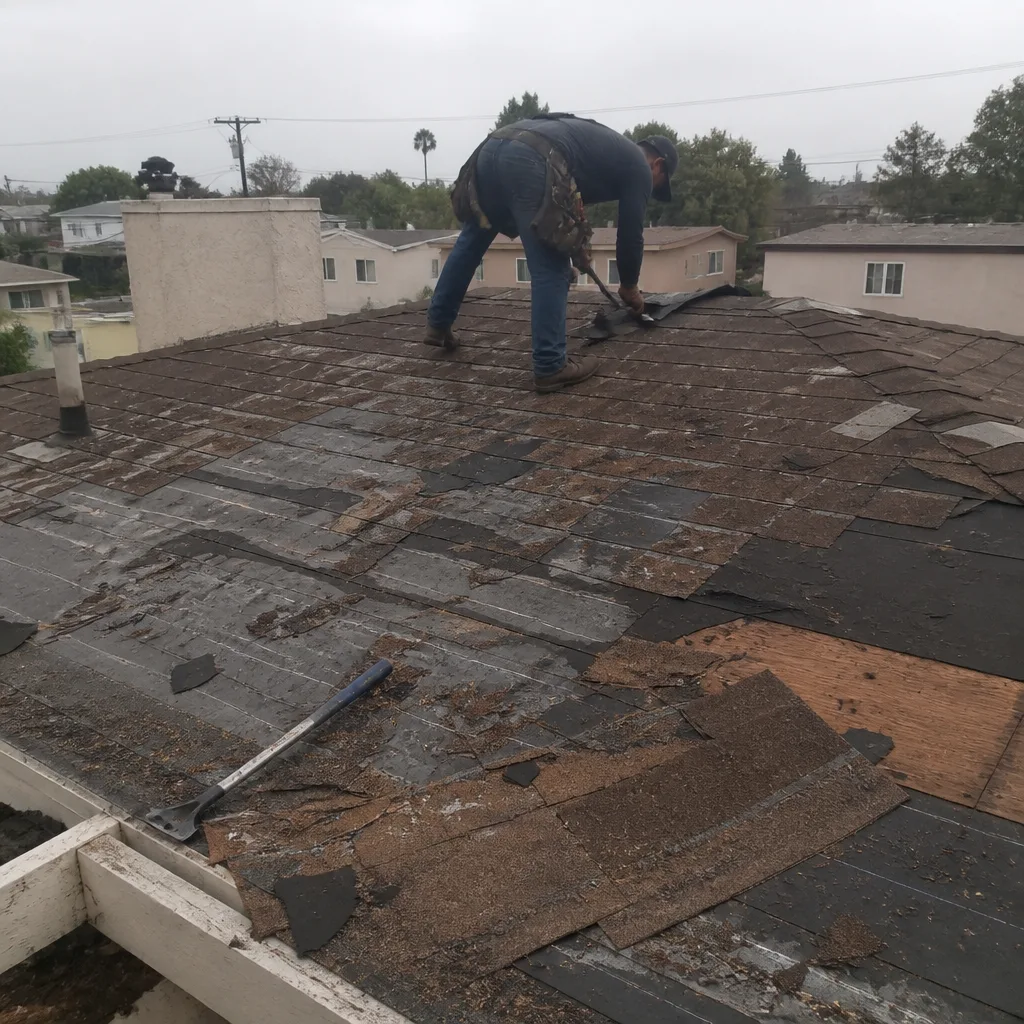 Before
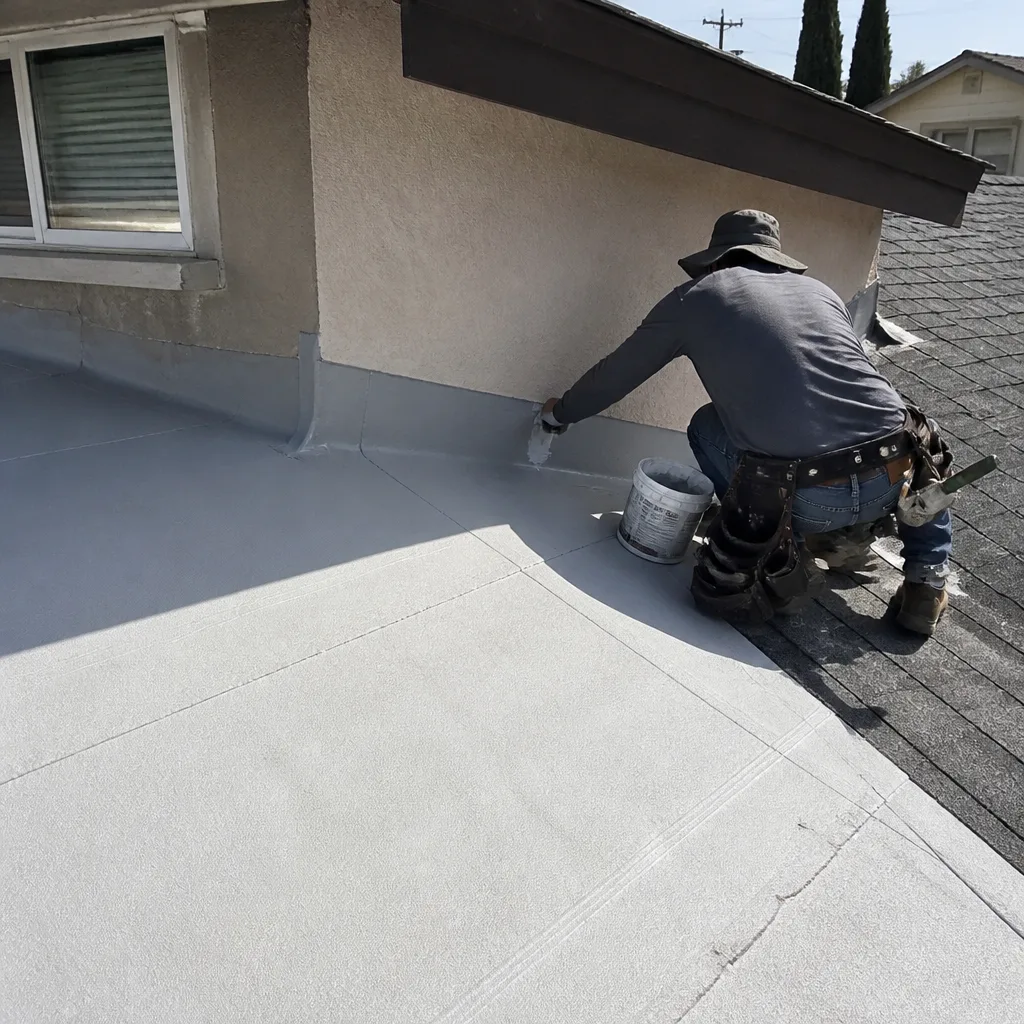 After
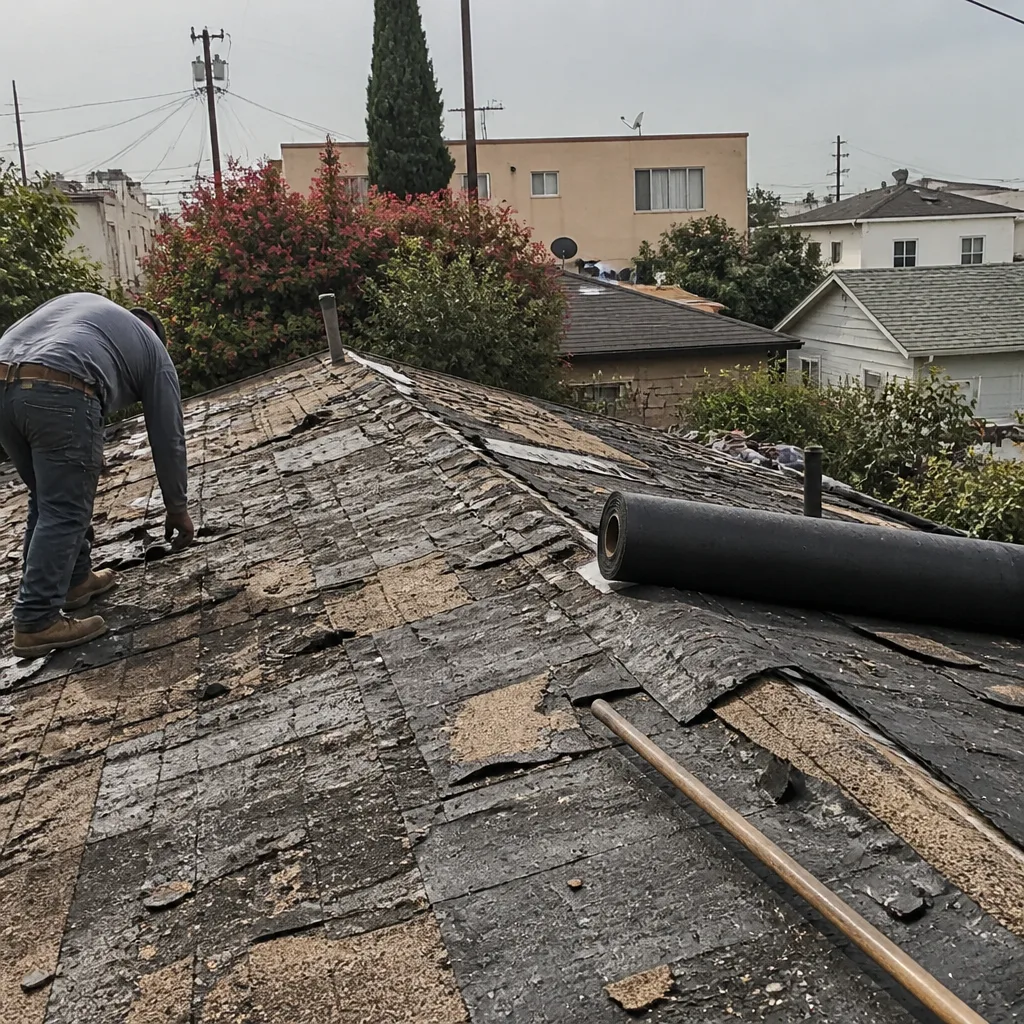 Before
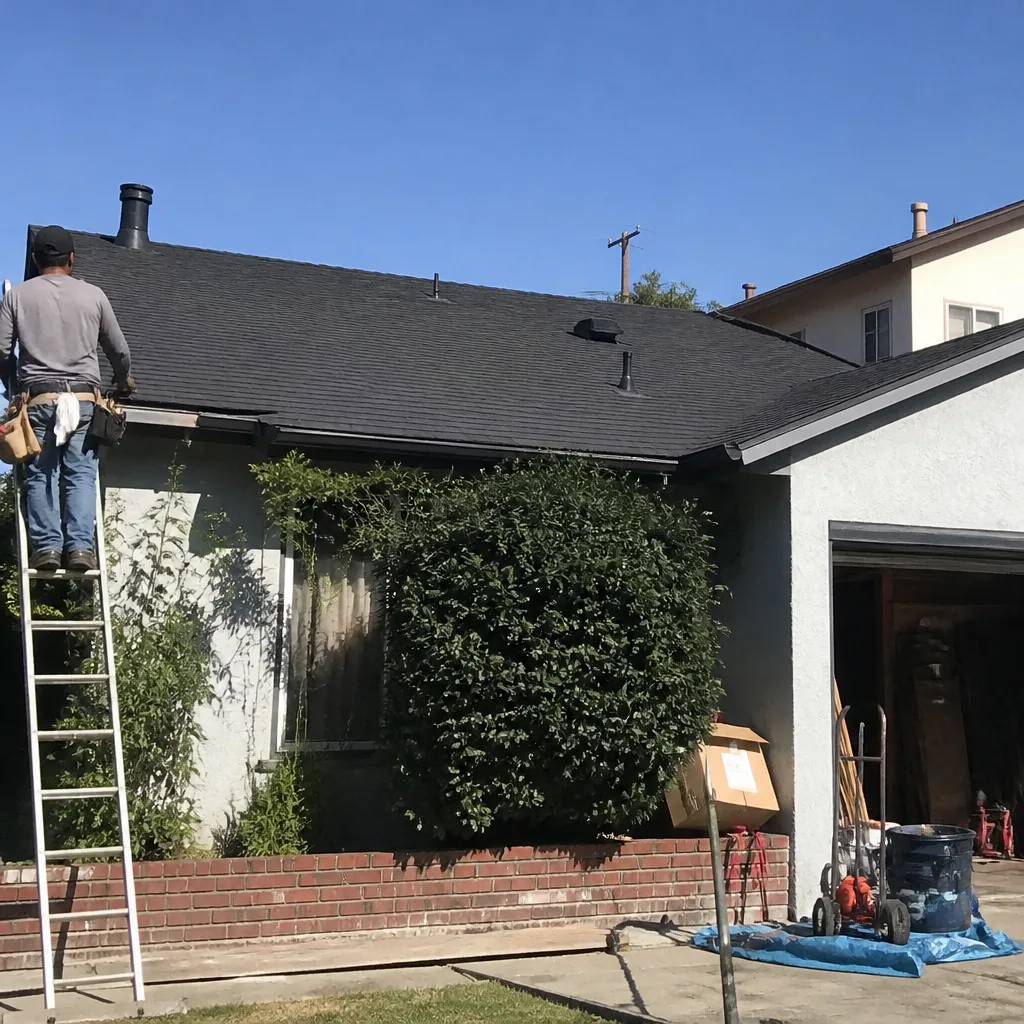 After
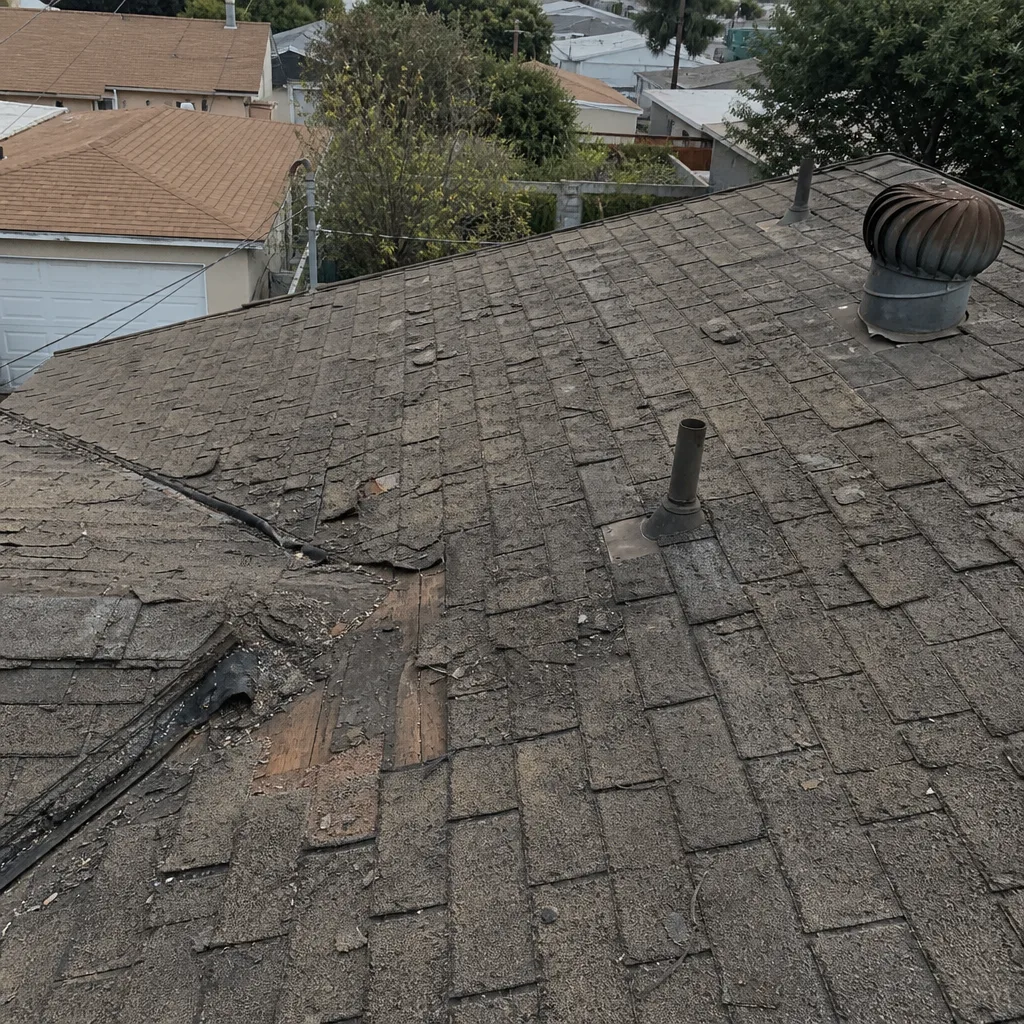 Before
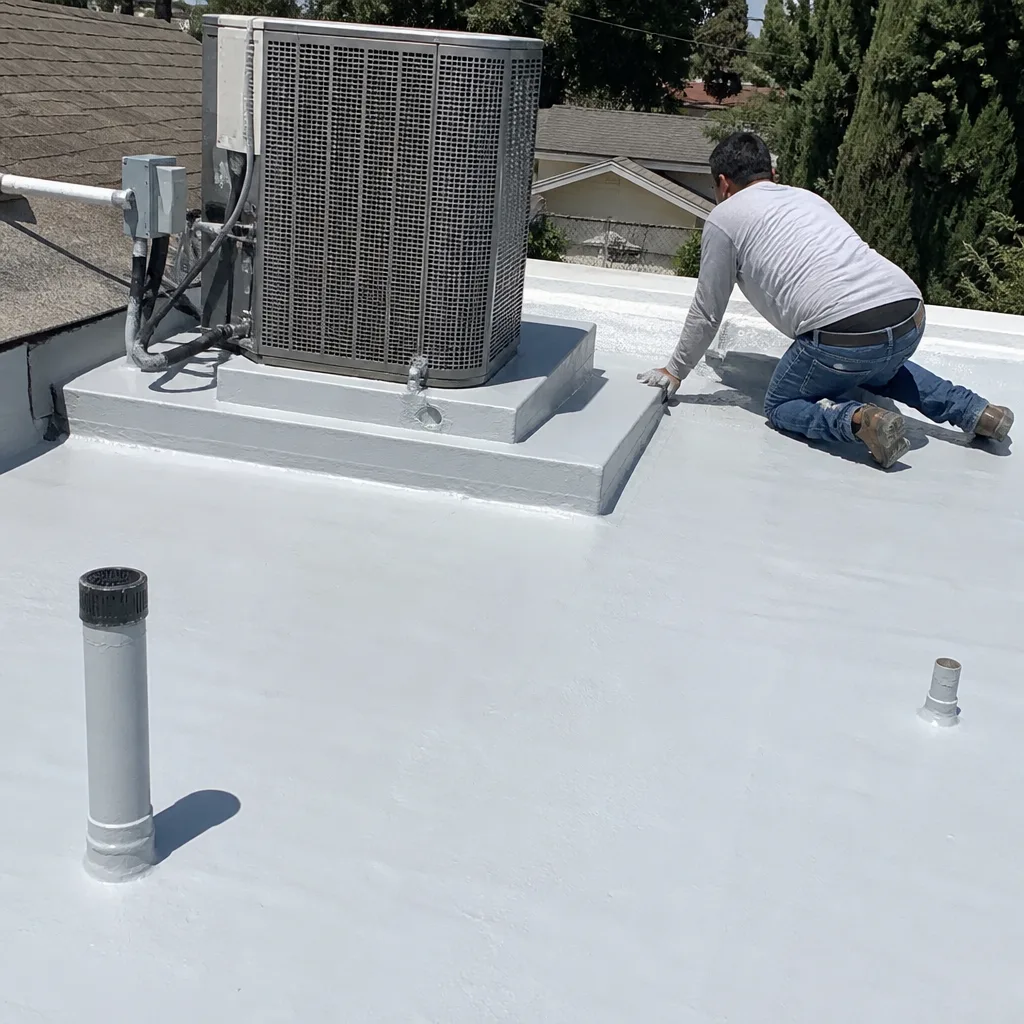 After