

Last updated October 30, 2026
 Architectural shingles
 Metal roofing
 Tile roofing
 GAF
 Owens Corning
 Flat & low-slope
Free roof inspection with deck photos before we talk money - GAF and Owens Corning certified installation
Roof Repair Maintenance Checklist for Koreatown Homeowners
A Koreatown flat roof can go from a minor blister to interior water damage in a single Santa Ana wind event. That’s not hyperbole. We’ve watched it happen too many times when homeowners relied on a once-a-year inspection that happened to fall in a calm stretch of weather. The problem with most maintenance checklists is that they treat roofing like an annual car wash. But Los Angeles weather doesn’t run on a calendar. It runs on wind events, dry spells, sudden downpours, and construction vibrations that don’t care what month it is. This guide reorganizes roof maintenance around those trigger events, so you check the right things at the right times. Whether you own a 1920s Spanish-style home near Wilshire or a mid-century flat-roof duplex north of Olympic, this checklist is built for the specific conditions Koreatown roofs actually face.
Quick Answer
A roof maintenance checklist for Koreatown homeowners should be organized by trigger events, not calendar months: inspect after every Santa Ana wind event, after the first rain following a 60-plus day dry stretch, after any nearby construction or seismic activity, and before the rainy season starts in late fall. The highest-priority checks are ponding water on flat roofs, drain screen blockages, parapet flashing separation, palm frond accumulation, and granule loss on shingles. Most small issues caught early cost under $500 to repair, often through our Roof Repair services. The same issues ignored for six months routinely become $4,000 plus replacement-level problems.
Styles & brands we work with
Table of Contents
- Why Calendar-Based Checklists Fail Koreatown Roofs
- The Trigger-Based Maintenance System
- Flat vs. Pitched Roofs: Different Checklists
- The 20-Minute Ground Walkaround
- After a Santa Ana Event: The Critical 48 Hours
- How to Document Roof Condition for Insurance Claims
- What You Can Safely Do vs. What Voids Warranties
- Common Mistakes to Avoid
- When to Call a Professional
- Frequently Asked Questions
Why Calendar-Based Checklists Fail Koreatown Roofs
Most roofing guides tell you to inspect your roof “once in spring and once in fall.” That advice works in places like Minnesota, where freeze-thaw cycles are predictable and the biggest threat is snow load. It fails in Koreatown because our roof damage doesn’t come from gradual seasonal shifts. It comes from sudden, violent events.
The three forces that actually destroy roofs in this neighborhood are UV degradation, Santa Ana winds, and debris accumulation. UV breaks down asphalt shingles and single-ply membranes slowly, every single day, at a rate that accelerates dramatically once the protective granule layer or reflective coating starts to wear. Santa Ana winds introduce instant mechanical damage: lifted flashing, shifted tiles, torn membrane at seams, and debris that scrapes across the surface at 40 to 60 mph. Debris, especially palm fronds and jacaranda seedpods, holds moisture against the roof and clogs drainage systems.
Here’s what that means in practice. A roof inspected in March might look fine. Then a September Santa Ana event tears a three-inch section of parapet flashing loose. The first rain in November sends water straight into that opening. By the time a calendar-based inspector shows up in October or spring, the damage has been compounding for months. The repair is no longer $400 for flashing. It’s $3,800 for sheathing replacement, mold remediation in the ceiling, and membrane patching.
We’ve seen this exact sequence play out on homes near Hancock Park and all through the blocks south of Beverly. The homeowners weren’t negligent. They were following generic advice written for a different climate.
The fix is simple: check your roof when events happen, not when a calendar says so. For Roof Repair Troubleshooting: Common Problems and How to Fix Them, see our dedicated guide.
The Trigger-Based Maintenance System
This system replaces the vague “inspect twice a year” rule with five specific triggers. When any of these events occur, you perform a 20-minute check. It’s not about climbing on the roof every time. Most checks are ground-level visual inspections. What matters is that the check happens within 48 hours of the event, while evidence is fresh and before minor damage compounds.
Trigger 1: After Any Santa Ana Wind Event
Santa Ana winds typically run from September through February, with peak intensity in October and November. Any event with sustained winds over 30 mph or gusts over 50 mph warrants a check. Look for shingles or tiles on the ground, lifted edges visible from the street, displaced flashing, and debris scrapes across flat surfaces. Pay special attention to the west and northwest corners of the roof, which take the brunt of offshore wind flow through the mountain passes.
Trigger 2: After the First Rain Following a 60+ Day Dry Stretch
This is the single most overlooked trigger. LA summers regularly run 90 to 120 days with zero rain. During that time, sealants shrink, membranes bake, and small gaps open where flashing meets parapet walls. The first rain after a long dry spell doesn’t need to be heavy to find those gaps. Even a light drizzle will expose failed sealant. If you see any water stains on interior ceilings within a week of the first fall rain, you already have a breach.
Trigger 3: After Nearby Construction or Major Vibration
Koreatown has been in a near-constant state of development for two decades. Mid-rise apartment construction, ADU additions, seismic retrofitting, all of it produces ground vibration that travels through the soil and into your foundation and framing. Roofing systems, especially older mortar-set tile and flat membrane systems, don’t like repeated vibration. After any major nearby project, check for cracked tiles, separated seams, and shifted flashing. If you felt the vibration inside your home, your roof felt it too.
Trigger 4: Before the Rainy Season (Late October to Early November)
This is the one calendar-based trigger that earns its place. The goal here is a pre-rain readiness check, not a full “annual inspection.” Clear all drains and gutters, check parapet flashing, scan for ponding areas, and verify that all previous repairs are holding. The rainy season in LA runs roughly November through March, and the bulk of our annual rainfall typically arrives in a handful of concentrated storms. A roof that’s barely holding together in October will fail spectacularly in February.
Trigger 5: After Any Heavy Rain Event (1 Inch or More in 24 Hours)
LA doesn’t get many heavy rain events, which is exactly why they cause so much damage. Drainage systems sized for our average rainfall get overwhelmed when a Pineapple Express atmospheric river dumps two inches in a day. After any significant rain, check interior ceilings for staining, walk the perimeter for overflow signs at downspouts, and look for water pooling that doesn’t drain within 48 hours.
Flat vs. Pitched Roofs: Different Checklists
Koreatown has a genuinely mixed housing stock. Walk one block and you’ll see pitched shingle roofs on Craftsman bungalows, flat tar-and-gravel roofs on 1960s apartment buildings, and modified bitumen on duplexes built in the 1980s. The maintenance needs diverge significantly.
Flat and Low-Slope Roof Checklist
- Ponding water: Any water standing more than 48 hours after rain is a problem. Ponding accelerates membrane degradation and creates thermal stress as water heats and cools. Persistent ponding areas need drain adjustment or tapered insulation correction.
- Drain screens and scuppers: These clog constantly in Koreatown. Palm fronds, jacaranda seedpods, plastic bags, and general urban detritus all end up on the roof. A single clogged drain can turn a flat roof into a shallow pond in one storm.
- Parapet flashing: Flat roofs have to transition from horizontal membrane to vertical parapet walls. This transition is the most common failure point. Look for separated caulk, cracked sealant, rusted metal, and pulled-away counterflashing at every parapet cap.
- Membrane blistering: Blisters form when trapped moisture expands under heat. They’re common on older built-up roofs and some single-ply systems. A blister isn’t an immediate failure, but it’s a warning sign that the membrane is losing adhesion and a future leak is almost certain.
- Rooftop HVAC condensate: Many Koreatown apartment buildings and larger homes have rooftop AC units. Condensate drains from these units constantly during summer and can saturate the membrane below. Check that condensate lines drain to a scupper or drain, not directly onto the roof surface.
- Penetration seals: Every pipe, vent, and exhaust penetration is a potential leak point. Check the rubber boots and sealant at all penetrations, especially after summer heat cycles.
Pitched Shingle or Tile Roof Checklist
- Granule loss: Asphalt shingles shed granules as they age. Check gutter bottoms and downspout splash areas for excessive granule accumulation. Bare patches on shingles mean the protective layer is gone and UV will degrade the asphalt underneath rapidly.
- Curling and lifting shingles: Shingles lift when the adhesive strips fail or when nails back out. Wind events exploit lifted edges and tear shingles loose. If you can see shingle edges curling from the ground, the shingle is already compromised.
- Cracked or slipped tiles: Clay and concrete tile roofs are common on older Koreatown homes. Tiles crack from impact, freeze-thaw cycles are less of a factor here but thermal cycling still matters, and they slip when the fastening system fails. A cracked tile isn’t a leak by itself, but it exposes the underlayment, which is the actual waterproofing layer.
- Valley and ridge conditions: Valleys channel the most water and are the most common leak point on pitched roofs. Ridge caps take the most wind abuse. Check both carefully after storms.
- Chimney and skylight flashing: These are the classic failure points on any pitched roof. Step flashing at chimneys and flashing kits at skylights are the first thing a professional looks at when chasing a leak.
The 20-Minute Ground Walkaround
Here’s the good news: most of what you need to check doesn’t require climbing a ladder. A systematic ground walkaround catches 80% of developing problems before they become leaks. You’re looking for visible signs from the street, alley, and side yards. Here’s the sequence:
- Start at the street. Look at the roof line from across the street and from directly in front. Note any sagging ridges, visible shingle lift, missing tiles, or uneven surfaces. Compare both sides of the roofline for symmetry.
- Check the gutters from the ground. You can see most gutter conditions from street level. Look for sagging sections, visible debris accumulation, plant growth, and downspout separation.
- Walk the perimeter. Check all four sides of the house. Each angle reveals different issues. The south and west exposures take the most UV damage. The north exposure often harbors moss or algae growth in shaded areas.
- Examine the foundation perimeter. Granule accumulation at downspout splash blocks means shingle wear. Water staining on foundation walls near downspouts means overflow during rain. These are indirect signals of roof condition.
- Check the interior ceilings. Go inside and look straight up. Water staining on ceilings, especially around penetrations like vents and chimneys, is the definitive sign of active leakage. Staining near exterior walls on flat-roof homes points to parapet flashing failure.
- Get eyes on the roof from a second-story window if available. Most neighbors have windows that look down on adjacent roofs. Use yours if you have one. A view from above reveals ponding water, debris accumulation, and membrane condition that ground level can’t show.
This walkaround takes about 20 minutes. Do it after every trigger event. The purpose isn’t to diagnose every issue. It’s to catch changes. What looked fine last month and looks different this month is your signal to investigate further or call a professional.
After a Santa Ana Event: The Critical 48 Hours
Santa Ana winds are the most destructive single force Koreatown roofs face. They arrive quickly, peak without warning, and cause damage that looks minor at first but compounds fast. The 48 hours after a wind event are when you’ll find evidence that disappears or gets mistaken for “old damage” later.
Here’s what to do, in order:
- Check the ground for roofing material. After the wind dies down, walk your yard, driveway, and the adjacent sidewalk and street. Shingles, tiles, and flashing pieces on the ground tell you exactly where the roof took damage, even if you can’t see it from the ground.
- Look for lifted edges from the street. Use binoculars if you have them. Shingles that lifted in the wind often settle back down after the wind stops, leaving only a subtle curl or misalignment. This is evidence the adhesive seal failed.
- Check parapet caps and ridge lines. These are the highest points on the roof and take the most direct wind force. Missing or displaced parapet cap sections and shifted ridge tiles need immediate attention.
- Inspect flashing at roof-to-wall junctions. Wind gets behind flashing and pries it away from the wall. A gap as small as the width of a dime will admit water.
- Document everything. Photograph wind damage immediately, even if it looks minor. Insurance adjusters respond to evidence that ties damage to a specific event. Timestamped photos create that link.
- Call for repair within a week. Wind damage doesn’t self-heal. A lifted shingle will get worse with every subsequent wind event. Flashing separation will leak in the first rain. The repair is cheaper now than it will be after water entry.
After the particularly brutal October 2024 Santa Ana event, we saw homeowners across Koreatown with identical wind damage patterns: lifted ridge caps, peeled parapet flashing, and displaced tiles on west-facing slopes. The ones who called us within a week got fast, simple repairs. The ones who waited until November rain had committed themselves to a much bigger bill.
How to Document Roof Condition for Insurance Claims
Insurance claims for roof damage live or die on documentation. The burden of proof falls on you to show that damage occurred during a covered event, not through ordinary wear and tear. Here’s how to build a claim file that actually holds up when an adjuster reviews it.
Timestamped Photo Protocol
Your phone is the best documentation tool you own. Use it systematically:
- Photograph your roof today, before any new damage occurs. This is your baseline. Without a baseline, the insurance company will argue that any damage you’re claiming was pre-existing.
- Enable timestamp and location metadata on your camera. Most phones do this automatically, but verify. The metadata is your proof of when and where each photo was taken.
- Photograph after every trigger event. Wind event, heavy rain, nearby construction. Even if you don’t see damage, photograph the roof condition. A clear post-event photo proves the roof wasn’t damaged at that point, which establishes a timeline.
- Take detail shots and context shots. For any suspected damage, photograph it close-up, then photograph it from a wider angle that shows where on the roof the damage is. The combination proves both what the damage is and where it’s located.
- Store photos to the cloud immediately. Phones get lost, broken, and replaced. A photo that only exists on a device is a photo you might lose.
What Insurance Adjusters Actually Look For
Adjusters need to establish three facts before approving a roof claim: the damage occurred during the policy period, the damage was caused by a covered peril, and the repair cost is reasonable and necessary. Your documentation supports all three.
Wind and hail claims require evidence of “wind-created damage,” which is distinct from wear and tear. Lifted shingles with creasing, displaced flashing, and impact marks from debris all qualify if documented promptly. Granule loss and shingle curling without a specific event are typically classified as wear and excluded.
If you’ve kept a trigger-based documentation habit, you’ll have evidence that a specific wind event caused specific damage. That’s the entire game.
What You Can Safely Do vs. What Voids Warranties
There’s a big difference between maintenance tasks, which protect your roof and preserve your warranty, and repair tasks, which may void your warranty if performed incorrectly. Understanding the line is financially important.
Safe for Property Owners to Perform
- Debris removal from ground level: You can clear leaves, palm fronds, and seedpods from gutters and downspouts using a ladder, provided the ladder is stable and you’re comfortable working at height. Never walk on the roof itself to clear debris.
- Drain screen clearing on accessible flat roofs: If your flat roof has a roof hatch or access door and you can safely walk on the surface, clearing drain screens and scuppers is straightforward. Most manufacturers encourage this. But never walk on a flat roof if you’re unsure of the membrane condition or if the surface is wet.
- Visual documentation: All the photography and documentation described above is always safe and always encouraged.
- Interior leak monitoring: Checking ceilings for new staining after rain is safe and important.
- Gutter cleaning from a properly set ladder: Cleaning gutters is fine if you can reach them from a ladder. Don’t lean over the edge of the roof. Don’t walk on tile roofs, ever.
Leave to a Licensed Contractor
- Flashing repair and replacement: Most roofing manufacturer warranties require flashing work to be performed by a licensed professional. Improper flashing installation is one of the most common causes of roof failure, and doing it yourself is a fast track to a denied warranty claim.
- Membrane patching or replacement: Flat roof membranes require specific tools, materials, and technique. The manufacturers whose membranes we install, including IKO and certain modified bitumen systems all have specific installation requirements that only trained contractors can meet while preserving the warranty.
- Shingle or tile replacement: Walking on a pitched roof to replace shingles is dangerous without proper equipment and training. Tile roofs are especially unforgiving. One misstep cracks tiles and creates new leaks. If the repair requires being on the roof surface, call a professional.
- Any work requiring roof access equipment beyond a standard ladder: If the job requires a harness, scaffolding, or specialized lift equipment, it’s automatically a professional job.
- Structural repairs: Sagging decking, visible deflection, or any concern about the roof’s structural integrity is a stop-and-call situation. Structural issues can indicate hidden damage that’s dangerous to walk on.
The warranty consideration matters more than most homeowners realize. If you install a roof from Atlas or Tamko and later need warranty coverage for a defect, the manufacturer will verify that all work was performed by licensed professionals. DIY repairs, even well-intentioned ones, give the manufacturer grounds to deny claims. When in doubt, don’t touch it.
Common Mistakes to Avoid
- Inspecting only on a set calendar schedule. Koreatown weather creates damage on its own schedule. A roof inspected in calm weather can have wind damage two weeks later that goes unnoticed for months until the first rain.
- Ignoring ponding water on flat roofs. “It dries up eventually” is not a solution. Ponding water that persists past 48 hours is actively degrading your membrane and will create a leak at the exact spot the water pools.
- Using any sealant from the hardware store to patch flashing. Roofing membranes and flashing require compatible materials. Silicone caulk over asphalt-based flashing fails within months and sometimes accelerates damage by trapping moisture.
- Walking on tile roofs to inspect. Clay and concrete tile are fragile underfoot. Countless Koreatown homeowners have turned a simple inspection into a $2,000 tile replacement job by walking where they shouldn’t. If you don’t have a ground-level view or a second-story window, call a professional.
- Deferring small repairs until “the next big project.” A $350 flashing repair doesn’t wait for the $15,000 roof replacement you’re planning for five years from now. Small leaks compound into structural damage, mold, and interior repairs that will make the eventual replacement far more expensive.
- Filing insurance claims without baseline photos. If your first photo of roof damage is taken the day you file a claim, the adjuster starts from a position of skepticism. A baseline photo taken months or years earlier changes the conversation entirely.
- Cleaning the roof surface with a pressure washer. Pressure washing shingles strips granules. Pressure washing flat membranes tears seams. Pressure washing tiles forces water under the underlayment. None of these outcomes are good. If the roof looks dirty, leave it or call a professional.
When to Call a Professional
Some situations are not DIY judgment calls. Call a roofing contractor when you see interior water staining that you can’t trace to a specific cause, when wind damage is visible from the ground but you can’t safely access the roof to assess it, when ponding water persists on a flat roof despite clear drains, when you find granules accumulating in gutters in large quantities suggesting widespread shingle wear, or when a home inspection for a sale flags roof issues that need expert evaluation. Any sign of structural sagging or visible deflection is an immediate call.
If you’re in Koreatown and you’re not sure whether what you’re seeing is serious, Koreatown Roofing home provides honest guidance on exactly that question. We offer free estimates for Roof Repair in Koreatown, and our team specializes exclusively in roofing, so we’re not looking for reasons to upsell you into unrelated trades. Call (866) 974-2271 for a straightforward assessment. If it’s not a problem, we’ll tell you that.
Frequently Asked Questions
You should perform a visual ground-level check after every trigger event: Santa Ana wind events, the first rain after a 60-plus day dry stretch, nearby construction vibration, and the start of the rainy season in late fall. For most Koreatown homeowners, that works out to five to eight checks per year, concentrated in the September through March window when weather events cluster. A professional roof inspection is worth scheduling once per year, ideally in October before the rains arrive.
Minor repairs like flashing resealing, small membrane patches, or individual shingle replacement typically run $350 to $800 in Koreatown. Moderate repairs like drain replacement, larger membrane sections, or multiple shingle replacement run $800 to $2,500. Anything involving structural repair, underlayment replacement, or significant tile work starts around $3,000 and goes up from there. For a detailed Roofing Cost Breakdown: The Koreatown Homeowner’s Reference for 2026, see our guide. These are market ranges for our area, not quotes. Call (866) 974-2271 for a free estimate on your specific situation.
Only if you know the roof’s age, condition, and access path, and the surface is dry. Never walk on a flat roof you’re unsure about, especially older built-up roofs that may have soft spots from hidden water damage. If you have any doubt, perform the ground walkaround or call a professional who can assess the roof safely with proper equipment.
Yes, and Koreatown has no shortage of mature palm trees. Palm fronds hold moisture against the roof surface, creating localized rot and membrane degradation. They also clog drains and gutters rapidly, which leads to ponding water. A single frond lying across a scupper can block drainage completely. Clear palm fronds promptly after any wind event that deposits them on your roof.
Basic maintenance like debris clearing, drain screen cleaning, and visual inspection won’t void your warranty. In fact, most manufacturers require you to perform them. What voids warranties is repair work performed by unlicensed individuals, especially flashing work, membrane patching, and shingle replacement. When doing the work yourself could void your warranty, the calculation changes. Call a professional for anything beyond debris clearing and visual inspection.
Most minor to moderate repairs are completed in a single day. Larger repairs involving structural work, substantial membrane replacement, or multiple trades coordination can take two to three days. At Koreatown Roofing, we focus exclusively on roofing, so scheduling is simpler than with general contractors who are juggling multiple trades. Call (866) 974-2271 to schedule a free repair estimate and we’ll give you a realistic timeline.
The Bottom Line
Koreatown roofs fail because small problems compound unnoticed, not because roofs wear out all at once. The trigger-based checklist in this guide replaces calendar-based guessing with event-based awareness. Check after Santa Anas. Check after first rain. Check after nearby construction. Document with timestamped photos. Clear debris promptly. Know which tasks are safe for you and which belong to a licensed contractor. And when something looks wrong, don’t wait. A $400 repair beats a $4,000 replacement every single time. Koreatown Roofing offers free estimates for Roof Replacement in Koreatown when repairs no longer make sense, plus Roof Inspection in Koreatown for homeowners who want a professional baseline assessment. Call (866) 974-2271 when you need us.
Written by the team at Koreatown Roofing, serving Koreatown since 2014.
See the difference
 Before
 After
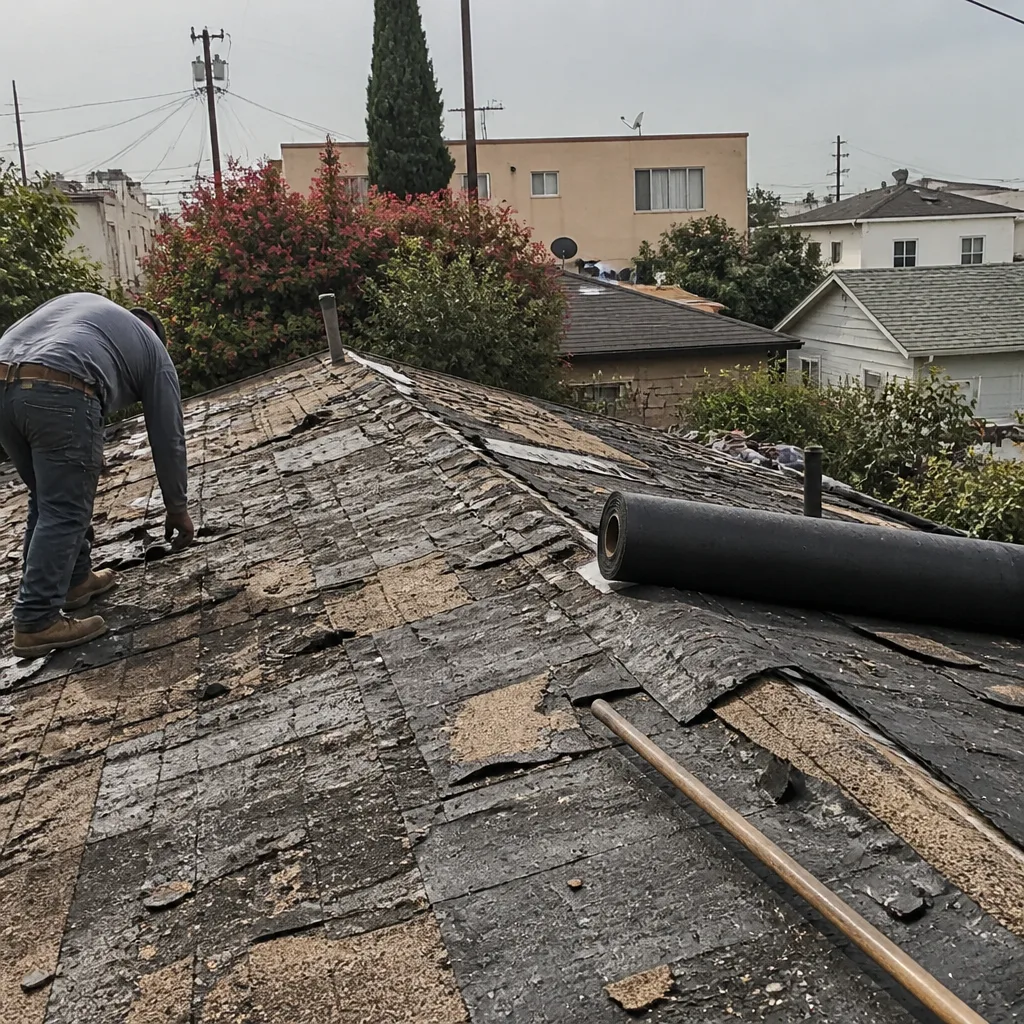 Before
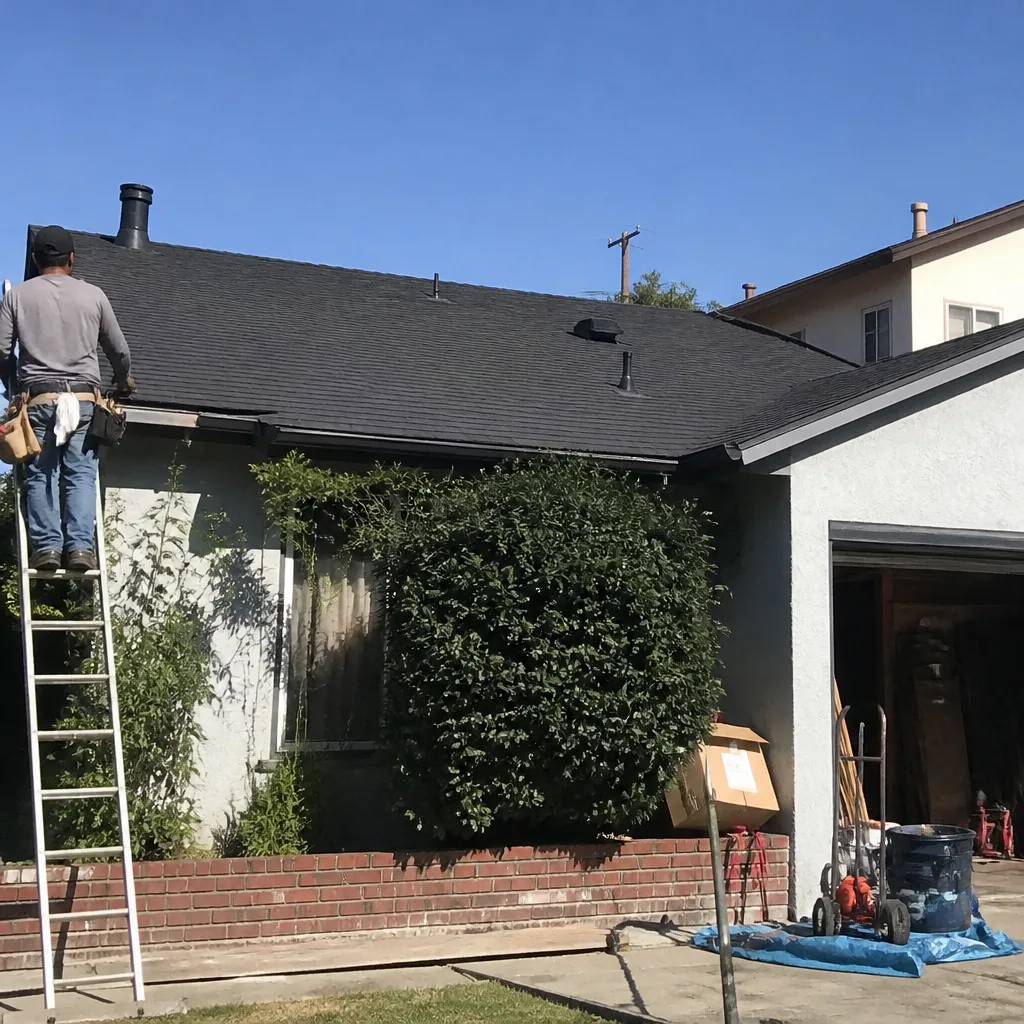 After
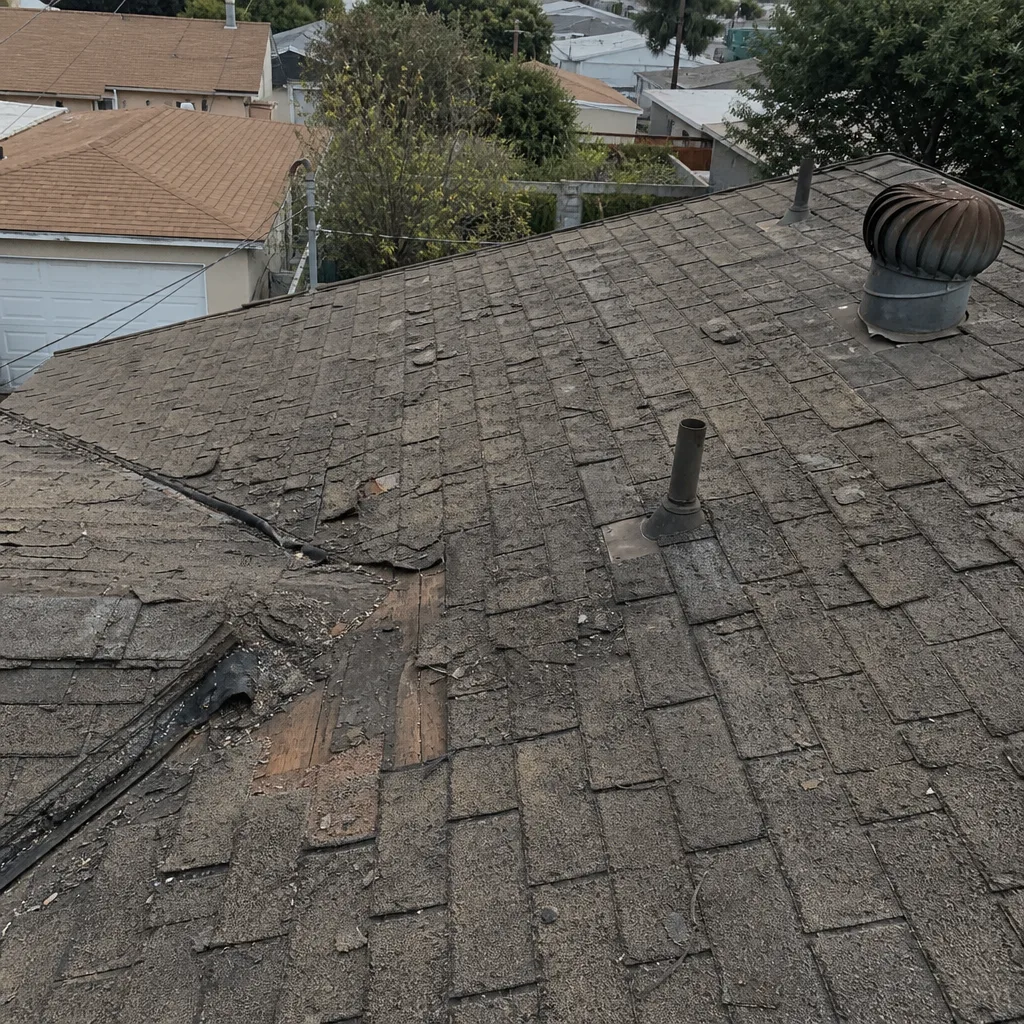 Before
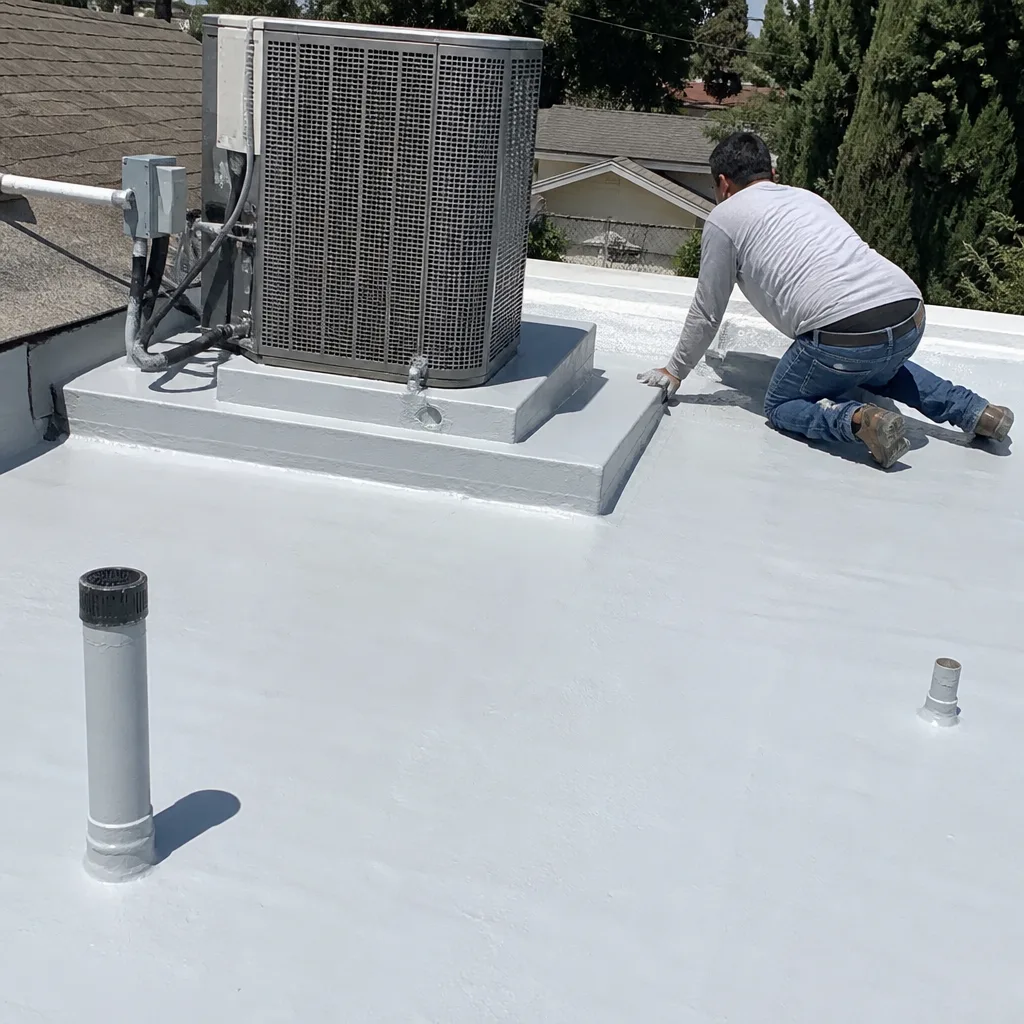 After