
Last updated October 30, 2026
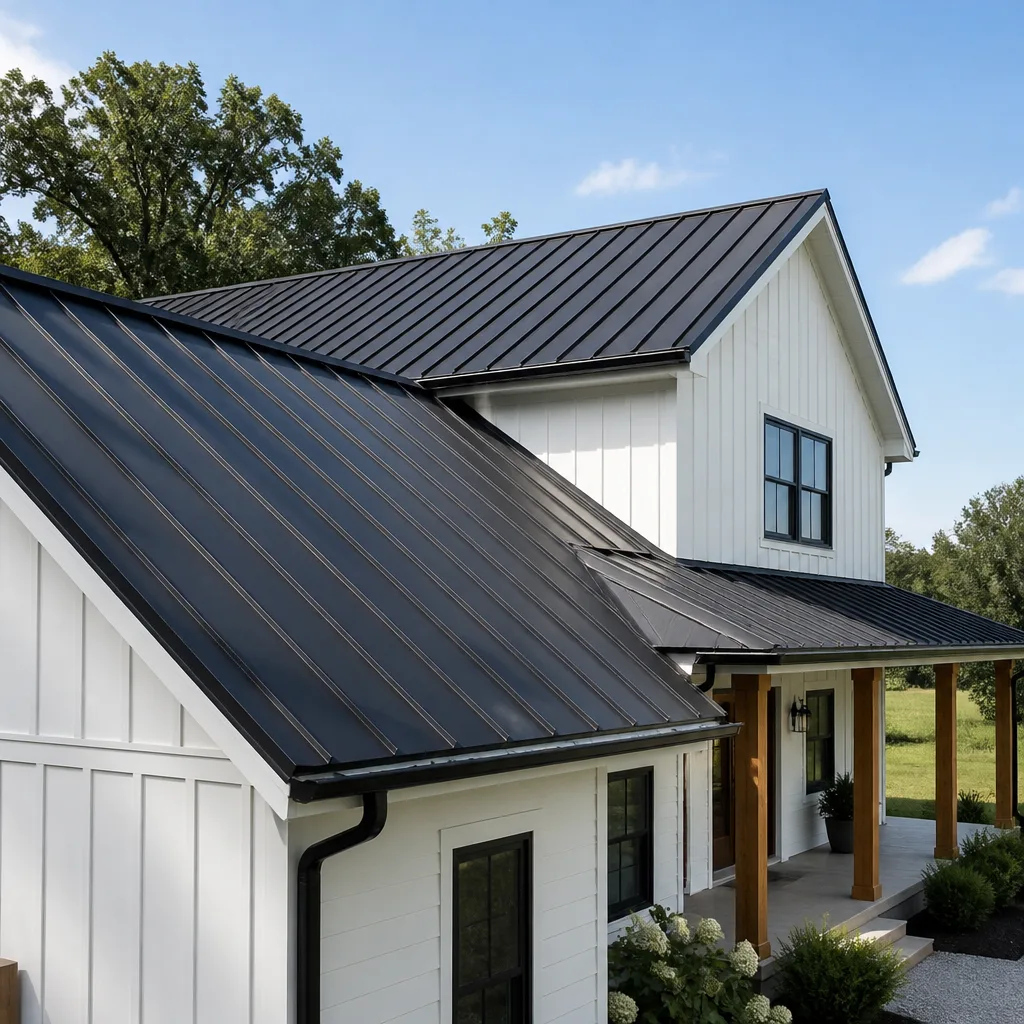 Metal roofing
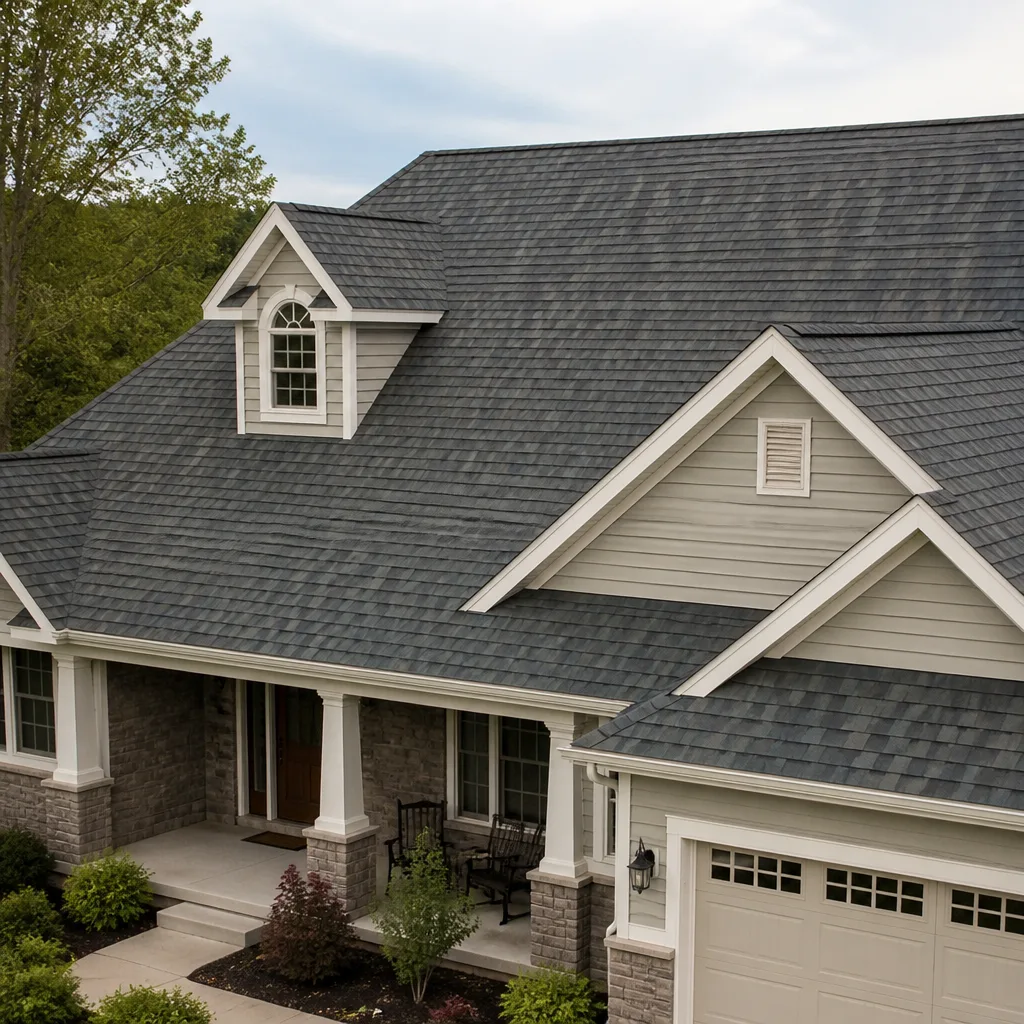 Architectural shingles
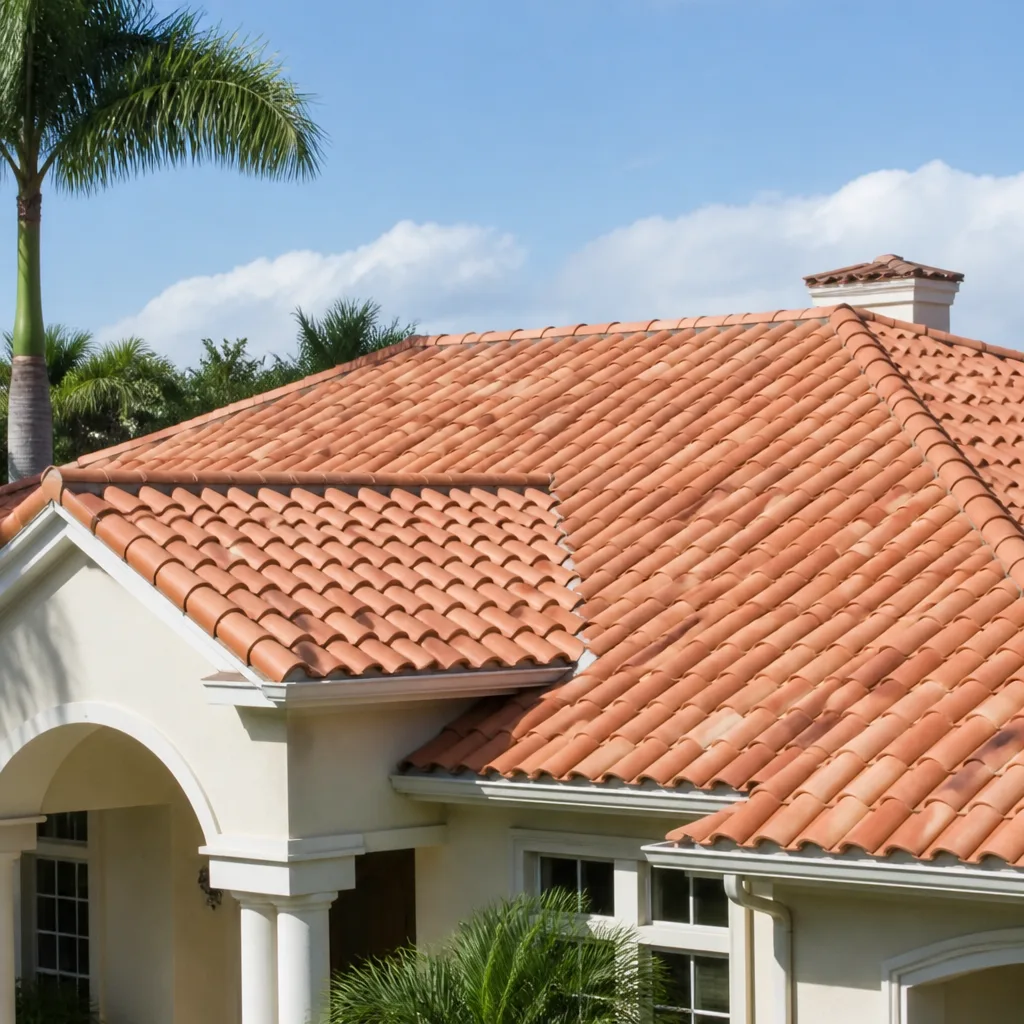 Tile roofing
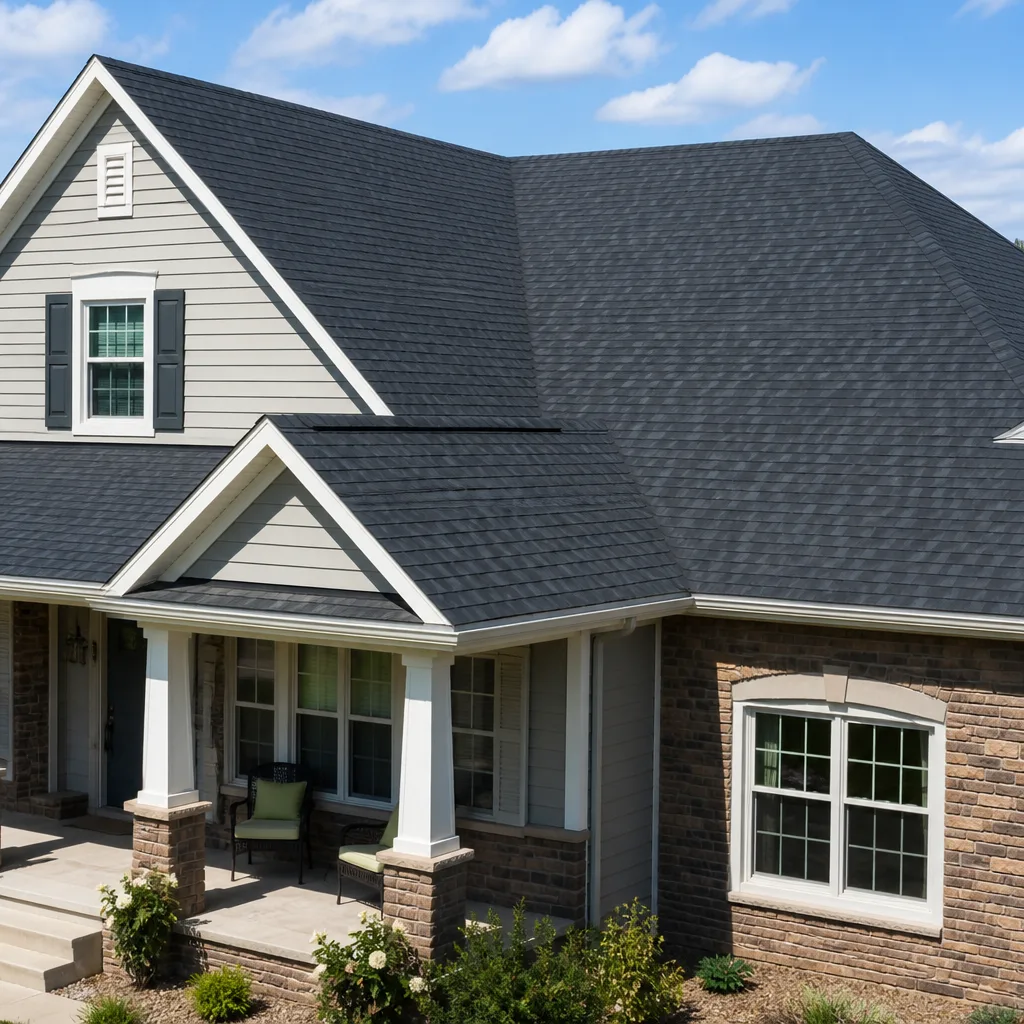 GAF
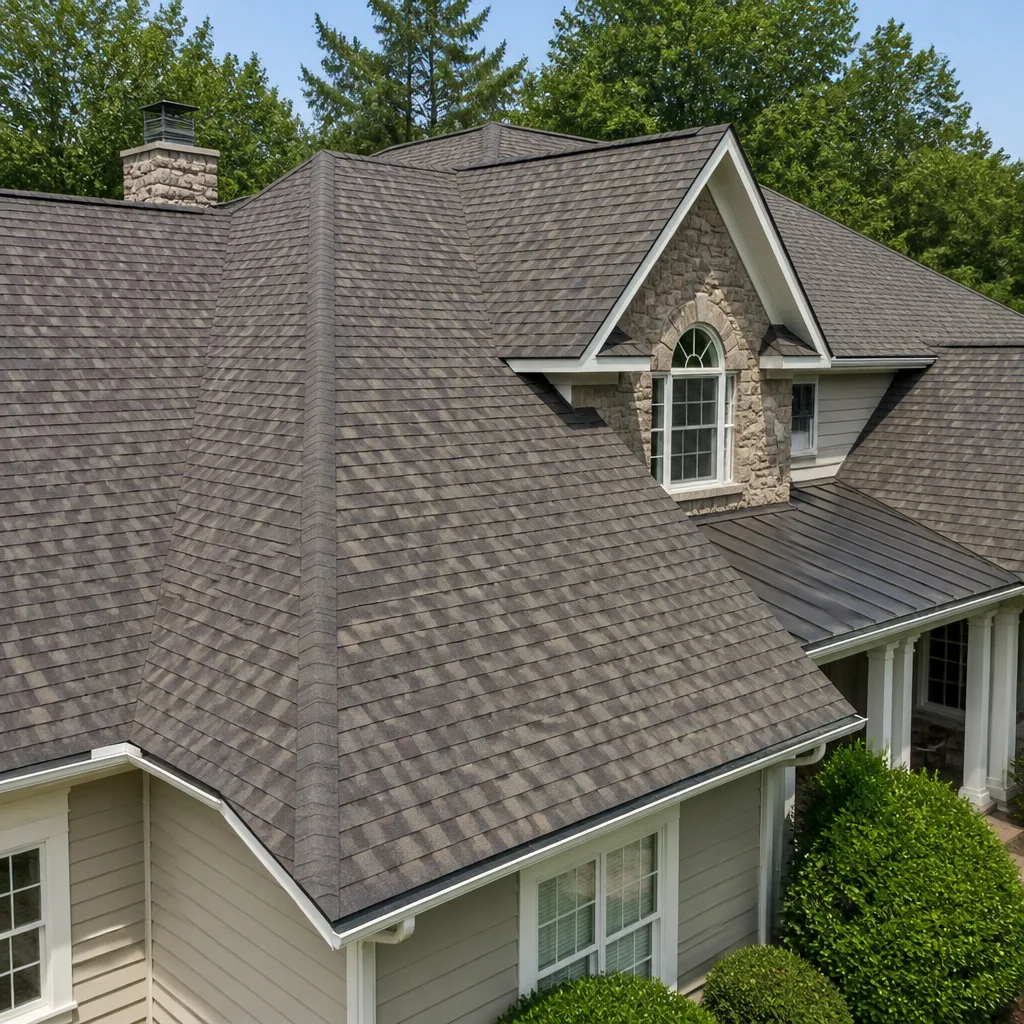 Owens Corning
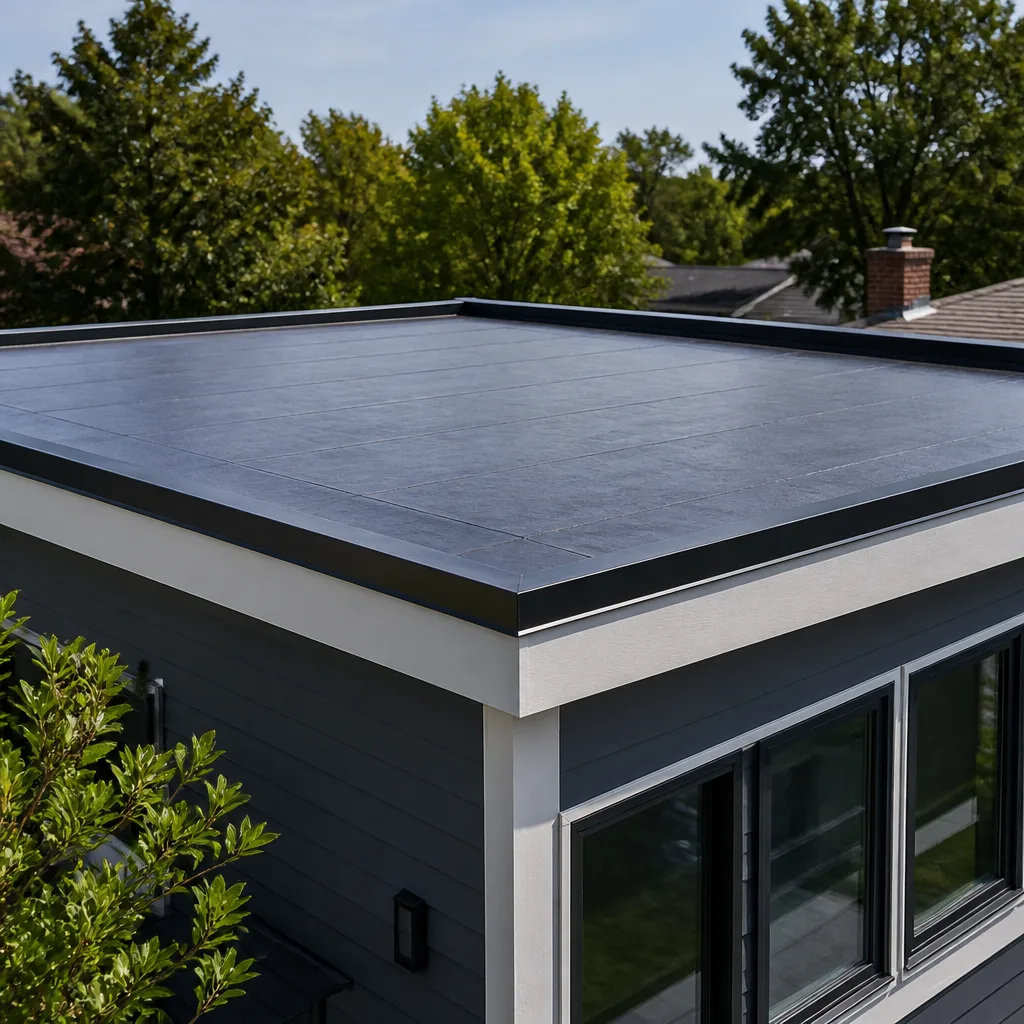 Flat & low-slope
Free roof inspection with deck photos before we talk money - GAF and Owens Corning certified installation
Roofing Cost Breakdown: The Koreatown Homeowner’s Reference for 2026
Two Koreatown flat-roof bids for the same building came in at $14,000 and $23,500 last year. The homeowner took the lower one. Six months later they called us – the contractor had skipped the vapor barrier and used a single-ply membrane when the spec called for a two-ply modified bitumen system. That $9,500 savings turned into a $31,000 tear-off and redo. This guide exists so you never have to learn that lesson the hard way, and for more guides & resources you can explore our blog. We’re going to walk through exactly what goes into a roofing bid in Koreatown, line by line, so you can read a proposal instead of just accepting whatever number sits at the bottom.
Styles & brands we work with
Quick Answer
A full roof replacement in Koreatown in 2026 typically runs between $9,000 and $28,000 depending on roof type, square footage, material tier, and structural surprises hidden under the old roof. Flat roofs (modified bitumen or TPO) generally land between $650 and $1,100 per square (100 square feet), while steep-slope composition shingle roofs average $550 to $900 per square installed. The single biggest cost variable is not material brand – it’s whether the decking underneath is sound or needs replacement, which can add $2 to $5 per square foot without warning.
Table of Contents
- The Line-Item Anatomy of a Roofing Bid
- 2026 Cost Ranges by Roof Type in Koreatown
- The Hidden Cost Variables That Separate Two Identical-Scope Bids
- How Manufacturer Tiers Affect Price and Warranty
- What a Suspiciously Low Bid Is Actually Telling You
- How to Ask for an Itemized Bid Without Sounding Difficult
- Koreatown-Specific Cost Factors You Won’t Find in Generic Guides
- Common Mistakes to Avoid
- When to Call a Professional
- Frequently Asked Questions
- The Bottom Line
The Line-Item Anatomy of a Roofing Bid
Most roofing proposals in the LA market are lump-sum: one big number, maybe a sentence or two of scope, and a signature line. That’s a problem, because a lump sum tells you nothing about what you’re actually paying for. A legitimate roofing bid should break down into five distinct cost buckets, and understanding what each one should look like in Koreatown is the difference between a fair deal and a slow-motion disaster.
Material cost is the largest single bucket, typically 40% to 50% of the total bid. This includes the membrane or shingles themselves, plus underlayment, flashing, fasteners, sealants, drip edge, and ventilation components. In 2026, material prices have stabilized somewhat after the supply-chain chaos of 2021-2023, but petroleum-based products (modified bitumen, TPO, asphalt shingles) still track oil prices more closely than most homeowners realize. When crude spikes, your roof bid follows within a quarter or two.
Labor usually accounts for 30% to 40% of the total. Los Angeles roofing crews command higher wages than almost any other market in the country, and that’s not a corner you want cut. A roof installed by a crew earning minimum wage under a contractor paying cash is a roof that fails early and leaves you chasing a phone number that’s been disconnected. In Koreatown, union-adjacent labor rates and the density of multi-story buildings with difficult access push labor costs toward the higher end of the national range.
Tear-off and disposal runs 10% to 15% of the total. Removing an old roof in Los Angeles means paying landfill tipping fees, hauling costs, and sometimes specialized disposal for materials like asbestos-containing underlayment in pre-1980s buildings. Koreatown has a lot of housing stock from the 1920s through 1960s, which means tear-off crews regularly encounter layers of old roofing that were never removed by previous owners. Two or three layers of built-up roofing on a Koreatown flat roof is not unusual – and each layer adds labor hours and disposal weight.
Permits and fees are typically $500 to $1,500, but this is where things get interesting. The City of Los Angeles requires a permit for any roof replacement, and the fee is calculated based on project valuation—see our Roofing Permits, Codes & Inspections in CA: What You Need to Know for details. A contractor who quotes $0 for permits is either rolling that cost into another line item or planning to work unpermitted. The latter is more common than anyone wants to admit, and it puts you at risk when you eventually sell the property and the buyer’s inspector asks questions.
Contractor overhead and margin is the final 15% to 25%, and this is the number homeowners most often misread as greed. Overhead covers the contractor’s insurance, bonding, vehicle costs, office staff, ongoing training, and the warranty service they’ll provide if something goes wrong. A contractor quoting 8% total overhead is either running a one-truck operation with minimal insurance or planning to disappear the moment the final check clears. In the LA roofing market, a healthy overhead and margin line tells you the company has enough financial stability to actually honor future warranty claims.
What Realistic Percentages Look Like in the LA Market
- Materials: 40% to 50%
- Labor: 30% to 40%
- Tear-off and disposal: 10% to 15%
- Permits and fees: 2% to 4%
- Overhead and margin: 15% to 25%
If any single bucket on a bid you receive falls wildly outside these ranges, ask why. A material line that’s only 25% of the total means the contractor is either using bottom-tier product or underquoting materials to win the job and planning to make it up with change orders later.
2026 Cost Ranges by Roof Type in Koreatown
Koreatown’s building stock skews heavily toward flat and low-slope roofs on mid-century apartment buildings, duplexes, and older single-family homes with parapet walls. Steep-slope composition shingle roofs exist too, mostly on the neighborhood’s Craftsman and Spanish Revival homes from the 1920s and 1930s. Here’s what each roof type actually costs in this market as of 2026.
Modified Bitumen Flat Roof: $650 to $900 per square installed
Modified bitumen (mod bit) is the most common flat-roof system in Koreatown, and for good reason. It handles ponding water better than single-ply membranes, and its multi-layer torched or cold-applied installation is well suited to the foot-traffic reality of densely packed LA properties where HVAC units, plumbing stacks, and satellite dishes crowd every roof surface. A two-ply mod bit system on a typical 1,500-square-foot Koreatown flat roof runs $9,750 to $13,500, including tear-off of the existing roof. The spec matters enormously here: a two-ply system with a granulated cap sheet costs more than a single-ply base sheet with a smooth finish, but it lasts 15 to 20 years instead of 8 to 12.
TPO Flat Roof: $700 to $1,100 per square installed
TPO (thermoplastic polyolefin) has become the default choice for commercial and multi-family flat roofs in Los Angeles, and it’s increasingly showing up on residential properties in Koreatown. It’s white, which reflects heat and helps with cooling costs during LA’s increasingly brutal summer heat waves. TPO runs slightly higher than mod bit on material cost, but installs faster, which offsets some labor expense. A 1,500-square-foot TPO roof in Koreatown should run $10,500 to $16,500 with tear-off. The catch with TPO is installation quality: the seams are heat-welded, and a crew that rushes the welding creates the exact failure points that show up two or three years later as leaks around penetrations.
Composition Shingle Roof: $550 to $900 per square installed
Steep-slope shingle roofs are less common in Koreatown’s core than in the adjacent neighborhoods of Hancock Park and Windsor Square, but they’re still a meaningful part of the local housing stock. A standard architectural shingle roof in 2026 – think GAF Timberline or CertainTeed Landmark – runs $550 to $800 per square on a straightforward tear-off and replacement. Premium shingle lines from the same manufacturers push toward $900 per square. The biggest variable on shingle roofs is roof pitch and accessibility: steep pitches slow down crews, and homes with tight zero-lot-line setbacks common in Koreatown’s older subdivisions make staging and debris removal harder than on a suburban cul-de-sac.
Cost Comparison Table
| Roof Type | Cost Per Square (Installed) | Typical Lifespan | Best For |
|---|---|---|---|
| Modified Bitumen (2-ply) | $650 – $900 | 15 – 20 years | Flat roofs with ponding water, high foot traffic |
| TPO (single-ply) | $700 – $1,100 | 15 – 25 years | Heat-reflective flat roofs, multi-family buildings |
| Composition Shingle (architectural) | $550 – $900 | 20 – 30 years | Steep-slope roofs, Craftsman and Spanish Revival homes |
| Composition Shingle (premium) | $750 – $900 | 25 – 35 years | Homeowners planning to stay long-term |
These ranges reflect what we see in Koreatown specifically, where access constraints, multi-story buildings, and the neighborhood’s aging parapet-wall construction add labor hours compared to flatland suburban rooftops. If you’re comparing bids from contractors who primarily work in the Valley or Orange County, their access assumptions will be optimistic.
The Hidden Cost Variables That Separate Two Identical-Scope Bids
This is where the real money hides. Two contractors can look at the same Koreatown roof and quote wildly different numbers – not because one is honest and the other is crooked, but because one is accounting for variables the other is ignoring. Here are the five variables that most often explain the gap between two “apples-to-apples” bids.
Deck Replacement Contingency
The wood (or lightweight concrete) deck beneath your roofing membrane or shingles is the structural layer everything attaches to. On older Koreatown buildings, that deck is often water-damaged in at least a few spots. Some contractors include a deck replacement allowance in their bid; others quote the roof as if the deck is perfect and then write change orders when they find rot. A contractor who includes a $2,000 to $5,000 deck contingency is being honest about the condition of older buildings. One who doesn’t mention deck condition at all is either not looking closely or planning to surprise you later.
Number of Roof Penetrations
Every pipe, vent, skylight, HVAC curb, and electrical mast that pokes through your roof is a penetration, and each penetration is a flashing detail that takes time to execute correctly. A simple Koreatown flat roof with three penetrations is a very different job from a multi-family building with fifteen. Penetrations add labor hours and material for flashing, boots, and sealant. When you’re comparing bids, confirm that both contractors counted the same number of penetrations.
Access Difficulty
Many Koreatown buildings sit on narrow lots with limited street frontage. If the contractor can’t park a debris trailer next to the building, they need to shuttle materials by hand or set up a conveyor, and they need to rent or reserve parking. Some Koreatown roofs require access through the building interior because there’s no exterior roof hatch. Every one of these complications adds labor cost that a contractor who hasn’t visited the site won’t capture in their bid.
Disposal Fees in LA
Los Angeles landfill tipping fees run higher than almost anywhere in the country, and they’ve risen steadily through the 2020s. Tear-off debris from a 1,500-square-foot roof can fill a 20-yard dumpster, and the disposal cost alone can be $800 to $1,500. A contractor quoting below-market disposal is either eating that cost (unlikely) or planning to dump illegally (worse).
Underlayment and Code-Required Details
LA’s building code is specific about underlayment requirements, and the 2023 updates tightened roofing standards further. A bid that skips underlayment line items or specifies the cheapest possible felt is a bid that won’t pass inspection – and if it doesn’t pass inspection, you’re the one who pays to fix it. This is the exact issue that sank the $14,000 Koreatown bid from our opening example: no vapor barrier, wrong membrane spec, and no path to pass a code inspection. For more on spotting problems early, see our Roofing Warning Signs: A Koreatown Homeowner’s Reference Guide.
How Manufacturer Tiers Affect Price and Warranty
Every major roofing manufacturer offers products at multiple price points, and the price difference between tiers within the same brand can be as wide as the difference between brands entirely. Understanding this tier system is how you make smart material decisions without overpaying for a premium you’ll never claim.
The Three-Tier Reality
Entry-tier products are built to meet code and carry the manufacturer’s base warranty. They’re fine for a property you plan to sell soon or a rental where you’ll be replacing the roof again in 10 to 15 years. Think base-level architectural shingles from Atlas or Tamko, or a standard 45-mil TPO membrane.
Mid-tier products add material thickness, better granule adhesion, or higher wind ratings, and typically extend the warranty from 15-20 years to 25-30 years. The price premium over entry tier is usually 15% to 25%. For most Koreatown homeowners, this is the value sweet spot.
Premium products from manufacturers like Boral or the top lines from major brands push into niche territory: impact-resistant ratings, enhanced color retention, or integrated ventilation. The warranty jumps to 35 years or lifetime, but the price premium is 40% to 60% over entry tier. That’s a lot of money for a warranty you’ll likely never use if you sell the property within the next decade.
The Warranty Math Most Homeowners Get Wrong
- Manufacturer warranties cover material defects, not installation errors. A Tyvek-like membrane warranty doesn’t help you if the crew installed it wrong.
- The most common roof failure mode – leaks around penetrations and flashing – is almost always an installation issue, not a material defect.
- Manufacturer warranties are pro-rated after the first few years. A “30-year warranty” doesn’t mean a free new roof in year 29; it means a small prorated credit toward materials only.
- Labor warranties from the contractor are what actually protect you from installation failures, and those are only as good as the contractor’s stability.
Working with a contractor who carries multiple brands – like Koreatown Roofing’s relationships with GAF, IKO, and Boral, among others – means you’re getting a material recommendation based on your budget and building condition, not whatever the contractor happens to have in the warehouse. That’s a meaningful difference when you’re comparing options.
What a Suspiciously Low Bid Is Actually Telling You
When a roofing bid comes in 30% below the others, the difference isn’t coming from the contractor’s generosity. It’s coming from line items they’ve deleted. Here’s what those missing line items look like in practice.
Missing underlayment or vapor barrier. The cheapest way to quote a flat roof is to omit the vapor barrier entirely. On a Koreatown flat roof over living space, that omission leads to condensation, mold, and premature membrane failure. The contractor saves $400 and you inherit a $5,000 problem five years later.
Single-ply when the spec calls for two-ply. This is exactly what happened with that $14,000 bid we opened with. A two-ply modified bitumen system uses two membrane layers torched or cold-applied in sequence. Dropping to a single-ply saves material and labor but cuts the system’s lifespan roughly in half.
No deck replacement allowance. If the bid says nothing about deck condition, the contractor either didn’t look or plans to charge you later. In older Koreatown buildings, deck replacement is common enough that every honest bid should at least mention it.
No permit line item. A permit is required for roof replacement in the City of Los Angeles, and it costs money. If the bid doesn’t include permits, the contractor is planning to work unpermitted, which puts you at risk during the project and later at resale.
Disposal fees below market. If the disposal line looks too cheap to cover a dumpster and landfill fees, the contractor is either underestimating the debris volume or planning something you don’t want to know about.
How to Ask for an Itemized Bid Without Sounding Difficult
Honest contractors don’t mind itemized bids. The ones who resist are the ones you should worry about. Here’s a practical script for requesting the breakdown.
- Ask for material, labor, tear-off, disposal, permit, and overhead as separate line items. “Could you break that down by material, labor, tear-off, disposal, and permits?” takes ten seconds to ask.
- Ask what membrane or shingle grade they’re quoting. “What series and grade is that bid based on?” forces the contractor to commit to a specific product, not a category.
- Ask about deck replacement assumptions. “What happens if you find deck rot once you start the tear-off?” Listen carefully. The right answer is a clear change-order process with agreed pricing. The wrong answer is “we’ll figure it out when we see it.”
- Confirm the permit process. “Are permits included, and who handles the inspections?” A contractor who hesitates on this question should be removed from your list.
- Get the warranty terms in writing. “What’s covered under your workmanship warranty and for how long?” Verbal promises vanish. Written terms survive.
None of these questions are aggressive or difficult. They’re the questions a serious homeowner asks before spending $15,000. If a contractor makes you feel bad for asking, that’s a signal worth honoring.
Koreatown-Specific Cost Factors You Won’t Find in Generic Guides
Generic roofing cost guides fail Koreatown homeowners because they ignore the neighborhood’s actual building conditions, which is why we also recommend our Roofing Emergency Preparedness Guide for Koreatown Homes. Here are the local factors that move the numbers.
Parapet walls everywhere. Koreatown flat roofs almost always have parapet walls – the low perimeter walls that give the neighborhood’s buildings their distinctive blocky profile. Parapets need flashing, coping, and often rebuild repair, and that’s extra material and labor beyond the roof field itself. Generic flat-roof cost estimates assume a simple open edge, which is rare in Koreatown.
Multi-layer tear-offs. Many Koreatown buildings have had roofs installed over existing roofs for decades. A tear-off on one of these buildings is not a single-layer job – it’s two, three, or sometimes four layers of accumulated roofing, each adding labor hours and disposal weight at $80 to $120 per ton of landfill fees.
Density and access. Koreatown is one of the most densely populated neighborhoods in Los Angeles. Narrow lots, shared property lines, and street parking scarcity create access challenges that directly affect labor efficiency. A crew that can back a debris trailer right up to the building works faster than one that has to stage materials a block away.
Zero-lot-line setbacks. Many older Koreatown homes and duplexes are built right up to the property line with no side yard access. Roof work on these buildings often requires working from the roof surface itself rather than from ladders or scaffolding positioned on the ground. More difficult access means more time, and more time means a higher labor line.
Reflective roofing benefits. LA’s urban heat island effect is real, and Koreatown’s high density makes it hotter than surrounding neighborhoods in summer. Light-colored TPO or reflective cap sheets on mod bit roofs reduce cooling load, which matters if your building has tenants or if you’re paying the electric bill. The slight cost premium for reflective surfaces often pays for itself through reduced energy use over the roof’s lifespan.
Common Mistakes to Avoid
- Accepting a lump-sum bid without asking for a breakdown. A single number tells you nothing about material grade, labor assumptions, or what’s been left out. Itemized bids are the norm among professional roof replacement contractors in Koreatown, not the exception.
- Choosing the lowest bid without understanding why it’s low. The gap between a $14,000 and $23,500 bid on the same roof is not free money. It’s missing items you’ll pay for later, with interest.
- Skipping the pre-bid inspection. A contractor who quotes without walking the roof is guessing. Always insist on an on-site roof inspection in Koreatown before signing anything.
- Assuming a manufacturer warranty covers installation. It doesn’t. Material warranties protect against factory defects only; workmanship warranties from the contractor are what protect against install errors.
- Overvaluing brand name at the expense of installation quality. The best shingle in the world fails early if the underlayment is wrong and the flashing is sloppy. Installation quality matters more than brand selection.
- Waiting until the roof is actively leaking. Emergency roof work never gets competitive pricing. Planning a replacement before the roof fails gives you time to compare bids and negotiate from a position of strength.
- Not asking about deck replacement policy before signing. If the contractor discovers deck rot mid-project, you want the change-order terms agreed in advance, not sprung on you mid-crisis. Call Koreatown Roofing to discuss how we handle deck contingencies – the answer matters.
When to Call a Professional
If your roof is more than 15 years old, if you’re seeing water stains on ceilings or interior walls, if your energy bills have crept upward with no other explanation, or if you’re planning to sell your property and the roof condition will be flagged in a buyer’s inspection – those are all signals to get a professional assessment. Roof problems don’t resolve themselves, and by the time water is visible inside the home, the damage has usually been progressing for months or years. A roof repair in Koreatown done early is dramatically cheaper than a full replacement done late. Koreatown Roofing offers free estimates in Koreatown – call (866) 974-2271 to schedule yours.
Frequently Asked Questions
A full roof replacement in Koreatown typically costs $9,000 to $28,000 in 2026, with flat roofs running $650 to $1,100 per square and composition shingle roofs running $550 to $900 per square installed. The range depends on roof type, material tier, deck condition, and access difficulty. Call (866) 974-2271 for an exact quote on your specific building – estimates are free.
The gap usually comes from hidden variables: deck replacement contingencies, number of roof penetrations, access difficulty, disposal fees, and whether the contractor is quoting single-ply or two-ply systems. Some contractors include these in the bid; others leave them out and issue change orders later. Always compare itemized bids, not bottom-line numbers.
LA roofing permits typically cost $500 to $1,500 based on project valuation, and the fee is calculated by the city at the time of application. Any bid that doesn’t include a permit line item should raise questions about whether the contractor plans to work legally.
A properly installed modified bitumen flat roof in Koreatown should last 15 to 20 years, while TPO typically lasts 15 to 25 years with proper installation. Lifespan depends heavily on installation quality, drainage design, and UV exposure, not just material choice.
It might, and that’s why you should confirm the deck replacement policy before signing. Reputable contractors include a deck contingency or agree to a clear change-order process with defined pricing. If a contractor says “we’ll figure it out when we see it,” get another contractor.
If the roof is leaking in one isolated area and the surrounding roofing is in good condition, a targeted repair often makes sense. If the roof is nearing the end of its expected lifespan or leaks are recurring in multiple locations, replacement is usually the better long-term financial decision. An honest assessment starts with a professional inspection – Koreatown Roofing provides those for free at (866) 974-2271.
The Bottom Line
Roofing bids in Koreatown vary by thousands of dollars because contractors account for different variables – or ignore them entirely. The homeowner who understands the five cost buckets (materials, labor, tear-off, permits, overhead), the hidden variables that shift pricing (deck condition, penetrations, access, disposal), and the three-tier product reality can read a bid instead of accepting it. Demand itemization, confirm permit inclusion, get warranties in writing, and never assume the lowest bid is the best deal. Your roof is a 15-to-30-year decision. The time you spend understanding the numbers is the cheapest insurance you’ll ever buy.
Written by the team at Koreatown Roofing, serving Koreatown since 2014.
See the difference
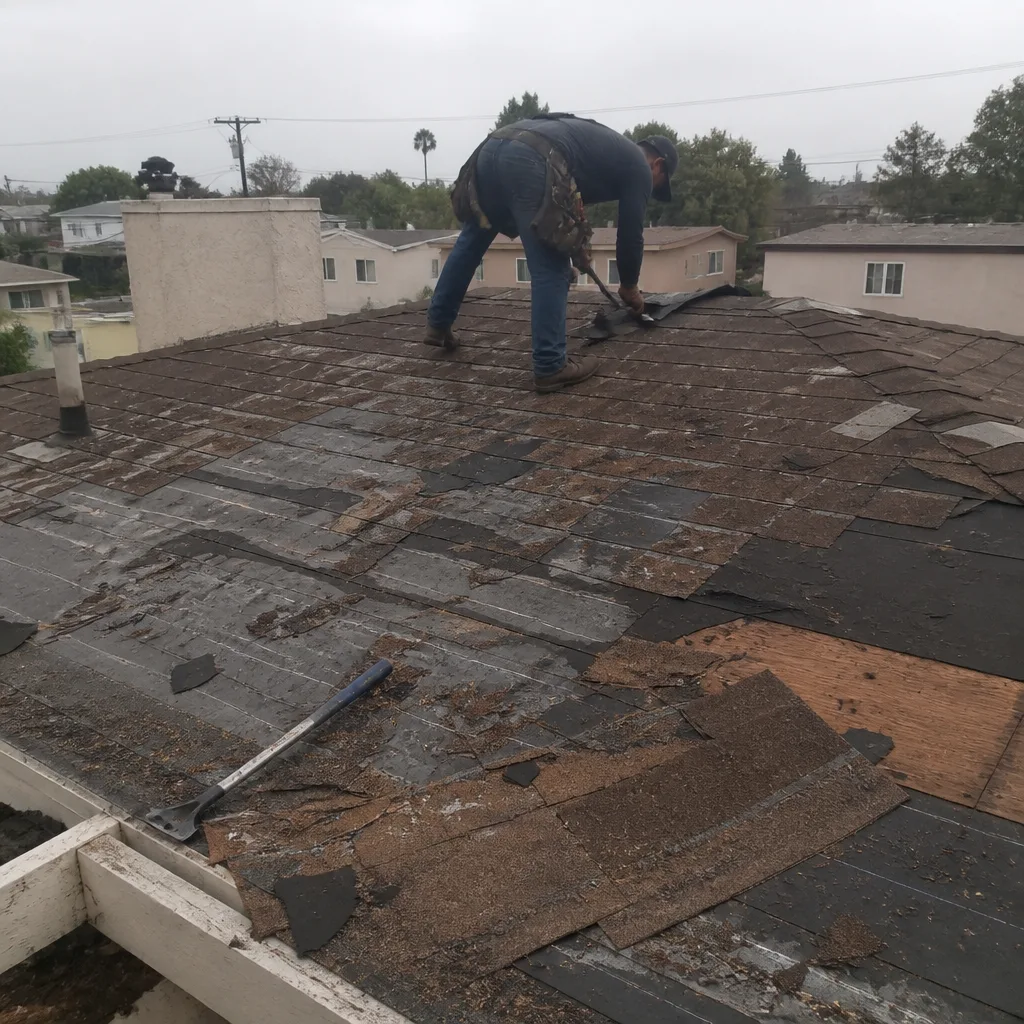 Before
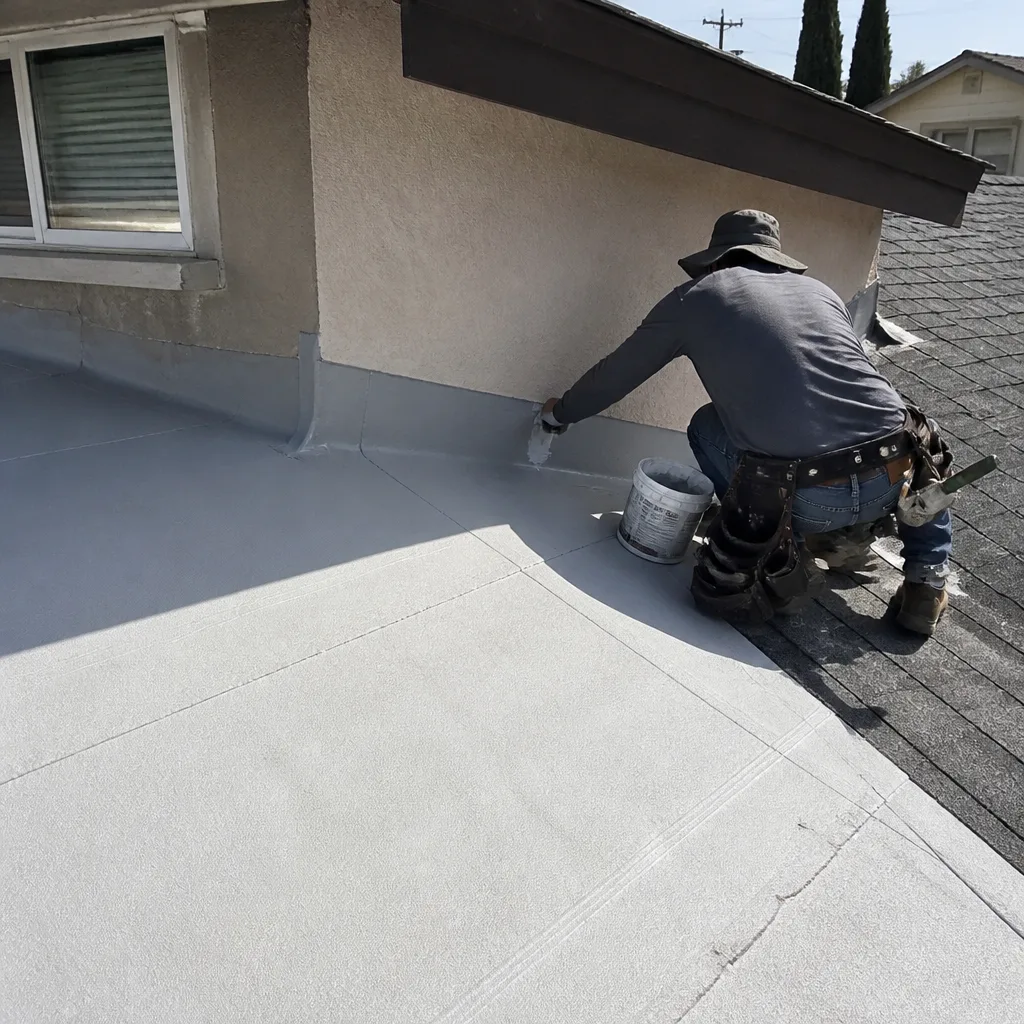 After
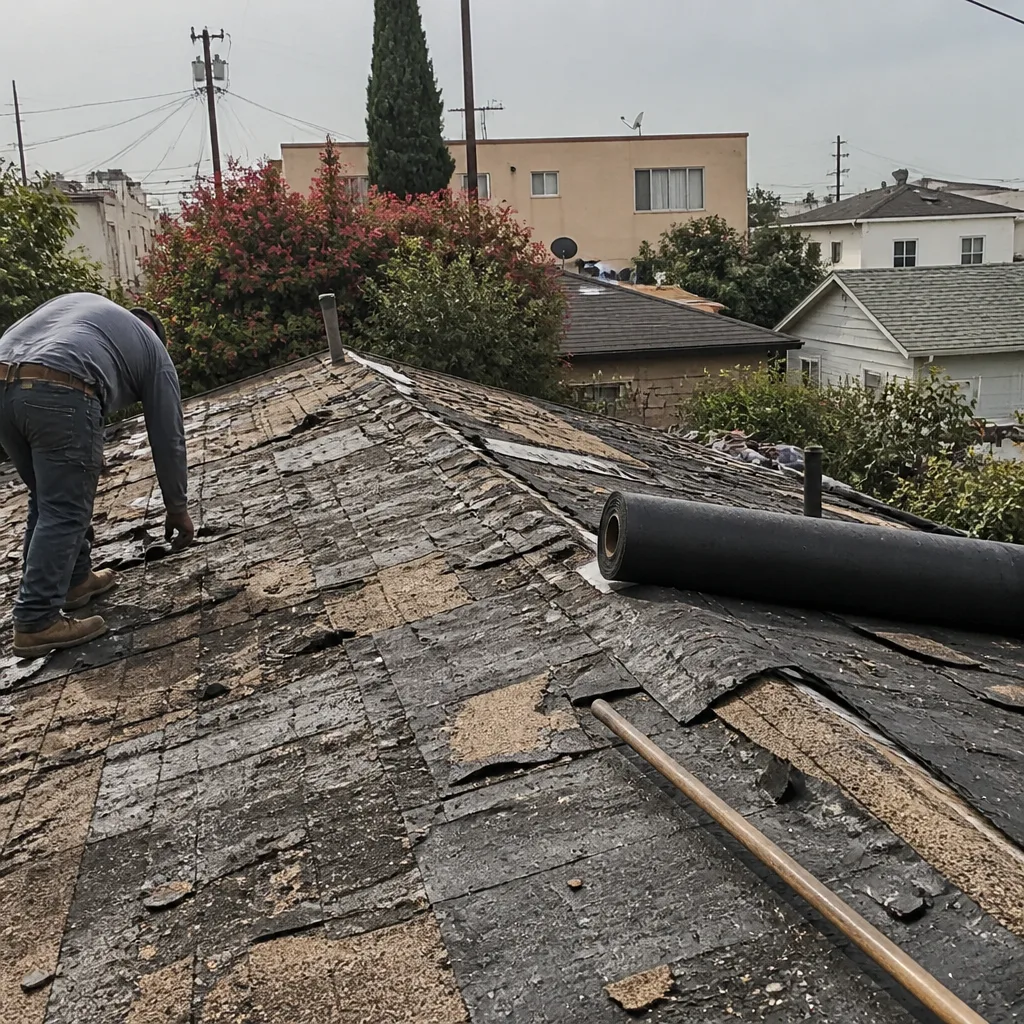 Before
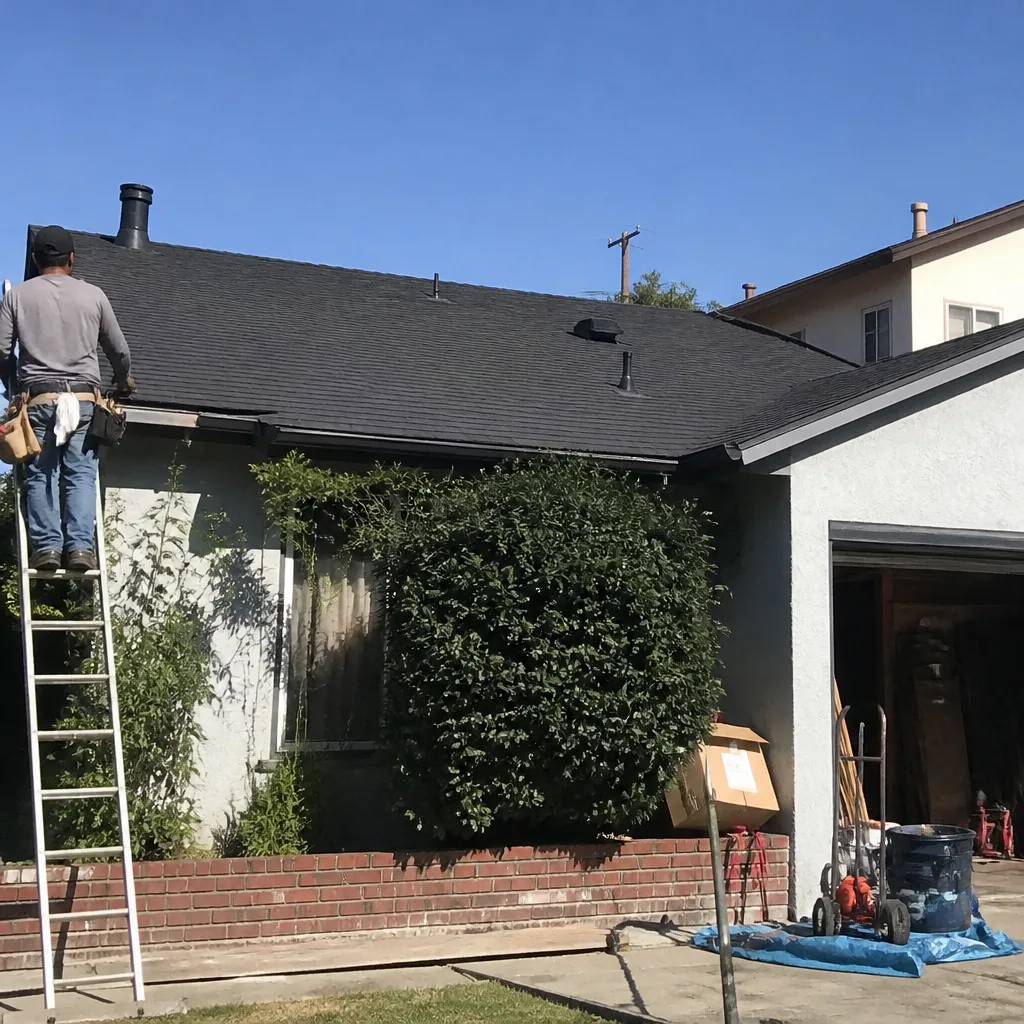 After
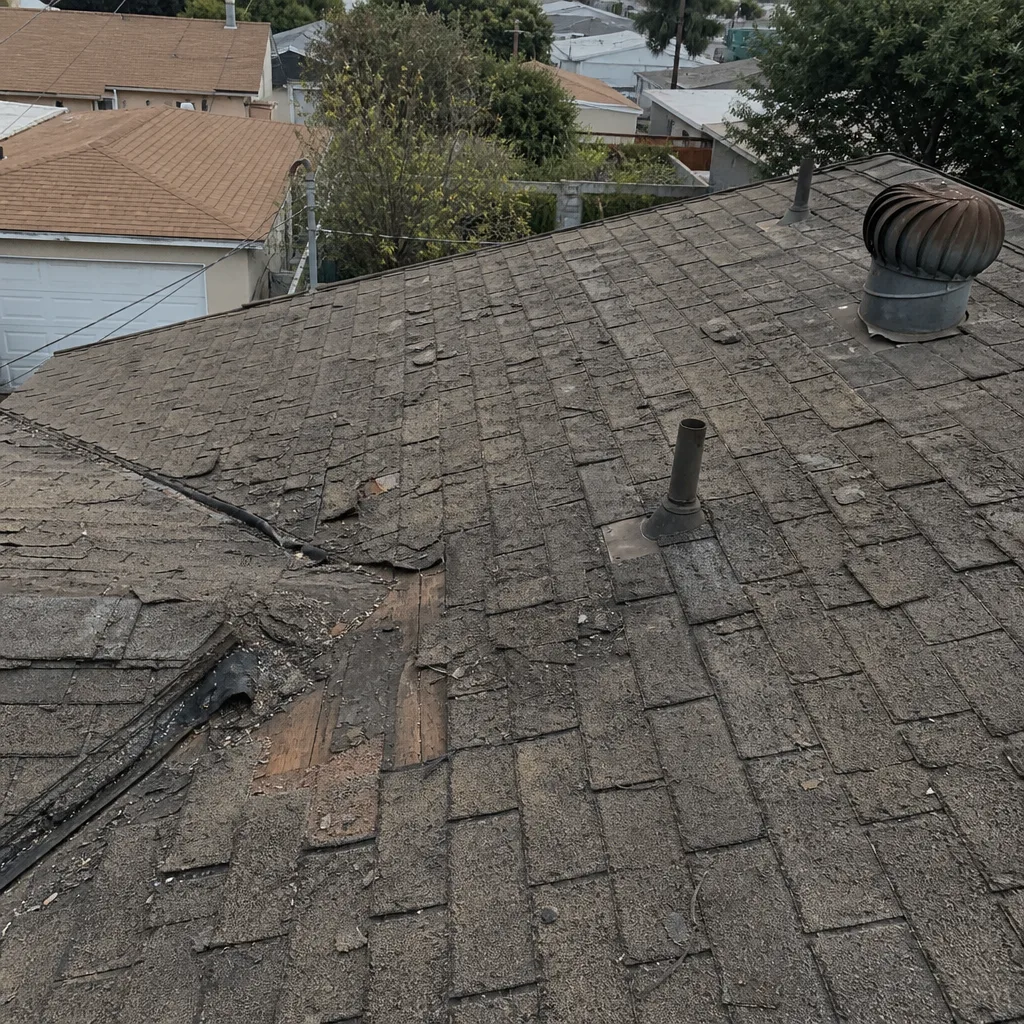 Before
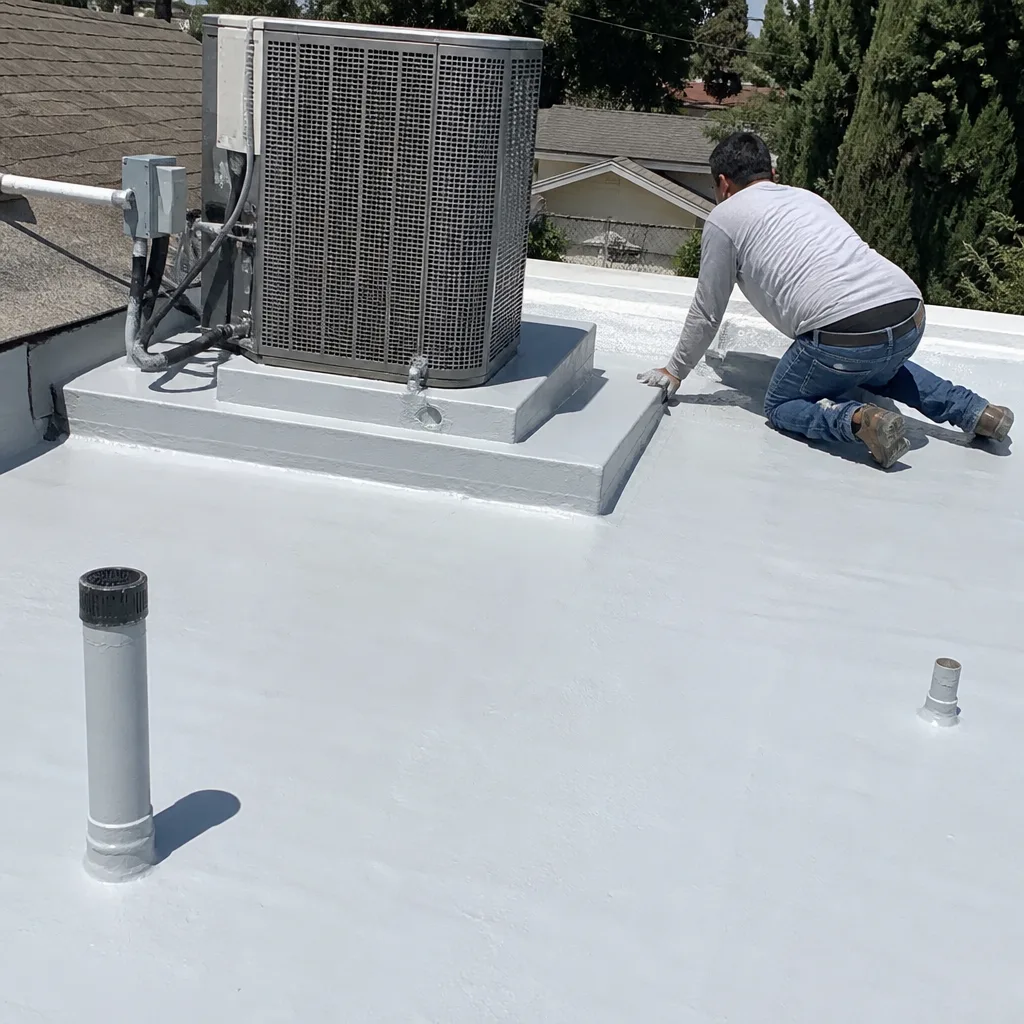 After